The Ultimate 2026 Yala National Park Safari and Travel Guide
hese travel guides and industry reports provide a thorough overview of Yala National Park, Sri Lanka’s premier destination for observing leopards, elephants, and water buffalo. The collection outlines essential logistics for 2026, including transportation from hubs like Ella, digital booking for park permits, and the distinction between the popular Palatupana entrance and quieter zones like Block 5. Prospective visitors can find recommendations for luxury eco-lodges versus budget stays in Tissamaharama, alongside tips for hiring ethical guides who prioritize animal welfare. A significant portion of the text addresses the challenges of overtourism and jeep congestion, urging travelers to choose responsible operators to mitigate environmental impact. Additionally, the sources highlight regional cultural landmarks, specifically the Sithulpawwa Rock Temple, which offers a spiritual dimension to the traditional safari experience. Combined, these documents serve as a strategic roadmap for balancing high-quality wildlife photography with sustainable tourism practices.
What logistical and environmental factors define the Yala National Park safari experience?
The Yala National Park safari experience is defined by a complex interplay of exceptional predator density, seasonal monsoonal cycles, and highly structured logistics that manage thousands of annual visitors.
Environmental Factors
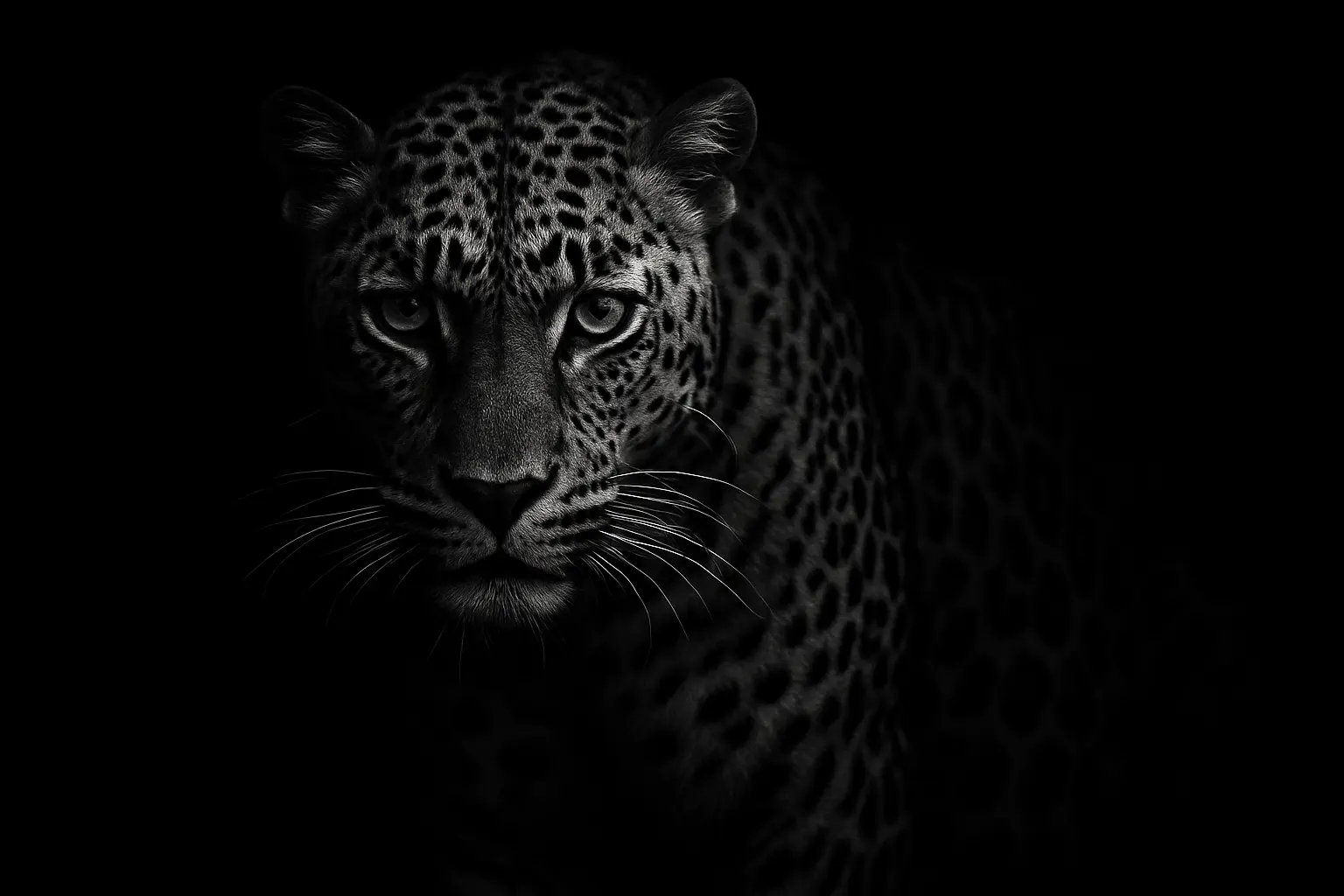
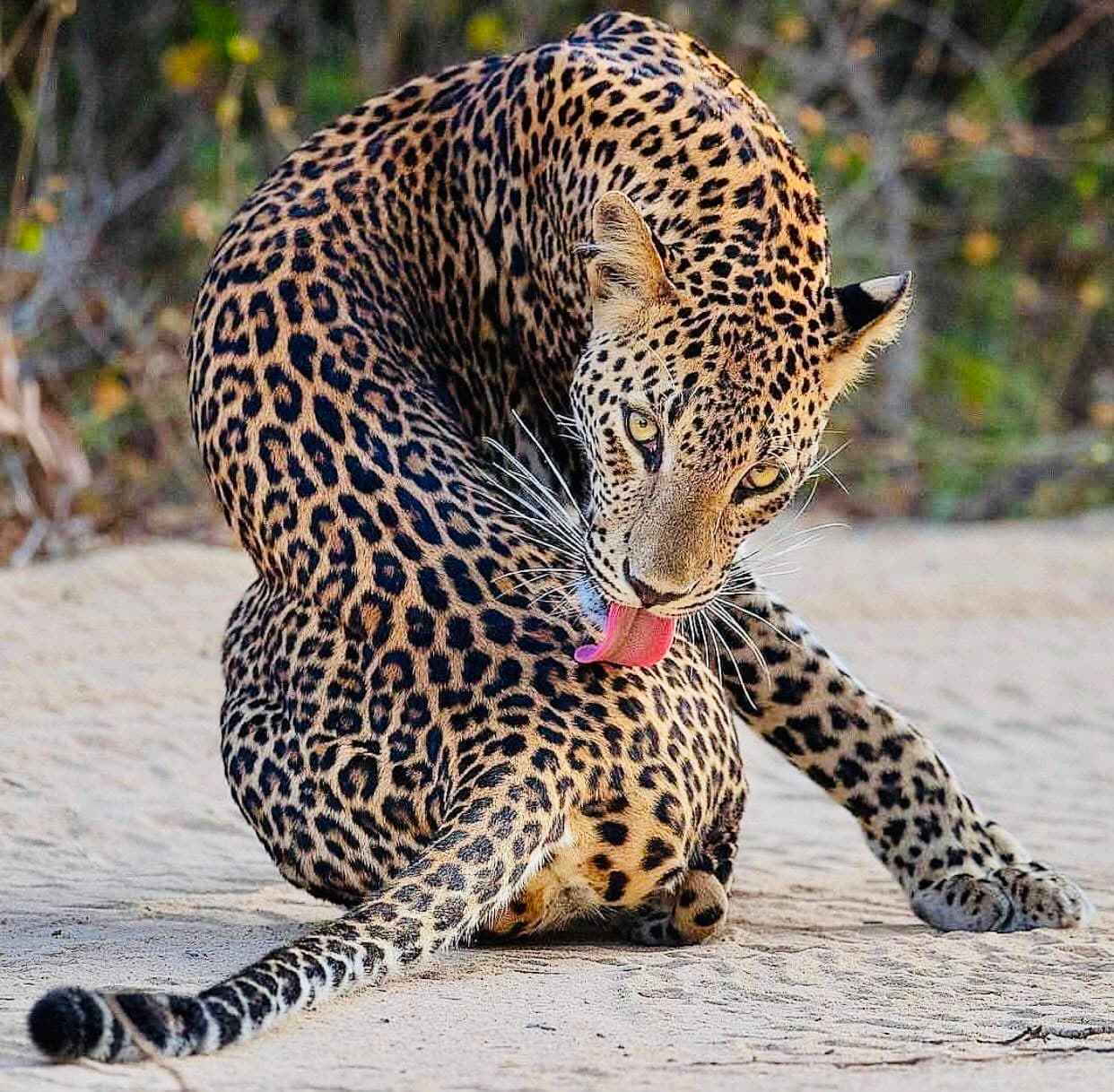
• Biodiversity and Density: Yala is globally renowned as the "Leopard Capital of the World," specifically within Block 1, which boasts an unparalleled density of approximately one leopard per square kilometer. Beyond leopards, the ecosystem supports the "Big Three"—including Asian elephants and sloth bears—along with crocodiles and over 215 bird species.
• Diverse Ecosystems: Spanning 979 square kilometers, the park contains a rare mix of moist monsoon forests, dry scrublands, freshwater lagoons, and a rugged coastline bordering the Indian Ocean.
• Seasonal Cycles: The dry season (February to July) is the peak window for wildlife viewing because shrinking internal waterholes force animals to congregate at permanent reservoirs, significantly increasing sighting predictability. Additionally, the "fruiting cycle" of the Palu tree between May and July makes the typically elusive sloth bear much easier to spot as they climb trees to feast.
• Annual Rejuvenation: A critical environmental factor is the mandatory park closure, typically from September 1 to mid-October, which allows the habitat to recover and officials to manage water holes during the height of the drought.
Logistical Factors
• The Block System: The park is partitioned into five blocks, but search and vehicle traffic are overwhelmingly concentrated in Block 1 (Palatupana) due to its high leopard visibility. Block 5 (Weheragala) has emerged as a logistical alternative for those seeking an intimate experience with fewer crowds, though wildlife is often shyer and less habituated to vehicles there.
• Timing and "Golden Hours": Safaris are strictly timed around wildlife activity, with the "Golden Hours" occurring immediately after sunrise (5:30 AM) and preceding sunset (2:30 PM). Morning drives often require 4:30 AM hotel pickups to ensure jeeps are first in line when the gates open at 6:00 AM.
• Transportation Requirements: Entry is restricted to licensed 4x4 safari jeeps; private cars are prohibited. While many travelers stay in the primary hubs of Tissamaharama or Kataragama, there is a rising trend of "Safari Transfers," where travelers integrate a safari into their transit between the hill country (Ella) and the south coast (Mirissa).
• Complex Fee Structure: Total costs are not fixed but split between government entry permits (~35–45 USD for foreign adults), separate jeep hire fees, and a mandatory 15% VAT and service charge. Travelers are increasingly warned of the "Cheap Jeep Trap," where low-cost operators hide the mandatory government entrance fees until arrival at the gate.
• Mandatory Guides: Every vehicle must carry an official Department of Wildlife Conservation (DWC) trekker (ranger), whose role is to enforce park rules and assist in spotting camouflaged wildlife.
The "Jeep Jam" and Sustainability
The primary logistical challenge defining Yala today is overtourism. In Block 1, the "flock behavior" of drivers can lead to 30–50 jeeps converging on a single leopard sighting, causing significant stress to the animals and diminishing the wilderness feel. To mitigate this, the DWC has capped the existing fleet at 500 jeeps and recently rejected requests for expansion to protect the park's carrying capacity.
--------------------------------------------------------------------------------
Analogy: Visiting Yala is like attending a high-stakes red-carpet premiere in a crowded city. The leopards are the A-list celebrities everyone is there to see; the "Golden Hours" are the brief moments they are on the carpet; and the safari jeeps are the paparazzi, where the best-positioned photographers (guided by expert "publicists" or trackers) get the clearest shot, provided they can navigate the heavy traffic of the city's "Block 1" district.
Why does Yala have the world's highest leopard density?
Yala National Park, particularly Block 1, boasts the world's highest leopard density—estimated at approximately one leopard per square kilometer—due to a unique combination of ecological, predatory, and historical factors.
The Apex Predator Advantage
Unlike the leopard populations in Africa, which must compete with larger, more dominant predators like lions and hyenas, the Sri Lankan leopard (Panthera pardus kotiya) is the undisputed king of Yala.
• No Competition: There are no tigers or lions in Sri Lanka to threaten their territory or steal their kills.
• Confidence and Visibility: This lack of competition allows leopards to be more diurnal (active during the day) and bolder, frequently seen lounging on rocky outcrops or walking openly along park roads during the dry season.
Ideal Habitat and Geography
The physical landscape of Yala provides a "perfect storm" for leopard success.
• Rocky Outcrops (Inselbergs): The park is dotted with massive boulders and rocky hills that serve as ideal vantage points for leopards to rest, survey the terrain, and launch hunts.
• Varied Ecosystems: The mix of open scrub plains, dry monsoon forests, and coastal dunes offers diverse environments for stalking prey while maintaining enough cover for concealment.
• Visibility for Hunting: The relatively open terrain of Block 1 specifically enhances hunting efficiency, allowing the predators to thrive in high numbers.
Abundant Prey Base
A high density of predators can only be sustained by an even higher density of prey. Yala supports extraordinary populations of herbivores, providing a constant and reliable food source.
• Primary Food Sources: High concentrations of spotted deer, sambar deer, and wild boar inhabit the park's grasslands and forests.
• Waterhole Gatherings: During the dry season, prey animals congregate around permanent reservoirs, creating concentrated "hunting grounds" that allow leopards to maintain smaller, high-density home ranges.
Long-standing Conservation
Leopards have benefited from nearly a century of rigorous protection. Yala was first designated as a wildlife sanctuary in 1900 and upgraded to a national park in 1938, which has allowed the population to stabilize and grow without significant human interference or poaching for generations.
--------------------------------------------------------------------------------
Analogy: Yala is like a city with an endless buffet and no police force. The leopards are the elite guests who have the entire restaurant to themselves; they don't have to hide from "bigger" bullies (like lions), and because the food (prey) is so plentiful and concentrated in one area, they don't need much space to live comfortably, allowing many of them to stay in the same "neighborhood."
During which months is the park typically closed for maintenance?
Yala National Park—specifically Block 1, its most popular sector—typically closes for maintenance and rejuvenation from September 1 to mid-October.
The following details define this recurring closure period:
• Duration and Timing: The closure generally lasts for six weeks, though it can sometimes extend into early October depending on weather patterns.
• Purpose of Closure: This period coincides with the height of the annual drought. Park officials use the time for habitat management, repairing infrastructure, and creating makeshift water holes to support animals during the dry spell. It is also intended to provide wildlife a "well-earned rest" from vehicle traffic and human disruption, particularly as it coincides with the leopard breeding season.
• Zonal Exceptions: While Block 1 (Palatupana) is traditionally closed, other sections of the park complex often remain accessible. Specifically, Block 5 (Weheragala) and the adjoining Lunugamvehera National Park typically do not close for maintenance, providing alternative safari options for travelers visiting during these months.
• Weather Considerations: While the park is closed during the peak drought in September, some sources note that parts of the park may also become inaccessible later in the year, between October and December, due to heavy rains and flooding during the northeast monsoon.
--------------------------------------------------------------------------------
Analogy: Think of the September closure like a major stadium undergoing turf replacement and facility upgrades during the off-season. While the main arena (Block 1) is closed to the public so the grass can regrow and the "players" (wildlife) can rest without the crowds, smaller side-courts (Block 5) might still be open for those who want to see the game in a quieter setting.
What is the primary difference between Block 1 and Block 5?
The primary difference between Block 1 and Block 5 of Yala National Park lies in the trade-off between high-density predator sightings and secluded, authentic wilderness experiences. While Block 1 is the "center of the leopard universe," Block 5 serves as a peaceful alternative for those looking to escape the "jeep jam" phenomenon.
Block 1 (Yala West)
• Unique Selling Proposition: It is world-famous for having the highest leopard density on the planet, estimated at one individual per square kilometer.
• Landscape: The terrain features coastal scrubland, lagoons, and dramatic rocky outcrops (inselbergs) like Patanangala Rock, which provide ideal vantage points for leopards.
• The Experience: As the most accessible and popular zone, it is often highly congested. By sunrise, hundreds of jeeps line up at the Palatupana Gate, and it is common for 30–50 vehicles to converge on a single leopard sighting.
• Target Audience: Recommended for first-time visitors and those whose primary goal is to see a leopard.
Block 5 (Weheragala)
• Unique Selling Proposition: Known as a "hidden gem," this zone offers a quiet, uncrowded safari with a limit of approximately 20 jeeps per session, compared to the 200 allowed in Block 1.
• Landscape: Unlike the open scrub of the south, Block 5 is defined by tall canopy riverine forests and the Weheragala Reservoir, which features skeletal trees emerging from the water—a surreal backdrop for photography.
• The Experience: Animals here are less habituated to vehicles, leading to sightings that feel more "natural" and intimate. While leopard density is lower than in Block 1, sightings have increased recently, and the block is superior for observing large elephant herds and rare forest birds.
• Target Audience: Preferred by nature purists, repeat visitors, and photographers seeking solitude.
Comparison Summary
Feature
Block 1 (Palatupana)
Block 5 (Katagamuwa/Galge)
Main Entrance
Palatupana Gate
Galge / Katagamuwa Entrance
Crowd Level
High; frequent "jeep jams"
Low; peaceful and intimate
Vegetation
Open scrub and lagoons
Tall canopy and riverine forest
Wildlife Focus
Leopards and waterbirds
Elephants and rare forest birds
--------------------------------------------------------------------------------
Analogy: Visiting Block 1 is like going to a massive, sold-out concert for a global superstar—you are almost guaranteed to see the "headliner" (the leopard), but you’ll be sharing the moment with a loud, pushing crowd. Visiting Block 5 is like attending an exclusive acoustic set in a hidden lounge—the headliner might not show up every time, but if they do, the encounter is personal, quiet, and far more meaningful.
Ready to see this in real life?
Book your Yala safari today and experience the magic firsthand.
Explore Packages