
YALA NATIONAL PARK HISTORY
Yala’s story as a protected reserve stretches back more than a century.
Home to a diverse array of flora and fauna, including many endangered species such as elephants, leopards, and a variety of bird species, the area was first declared a wildlife sanctuary in 1900, and upgraded to a national park in 1938.
In the 1970s and 1980s, Yala suffered from poaching and habitat loss, but sustained conservation work by the Department of Wildlife Conservation and NGOs has helped restore much of its balance.
In 2004, the Indian Ocean tsunami devastated the park’s coastal stretch; tragically, both wildlife and people were lost. Two decades on, Yala has recovered and remains one of the most rewarding places in Sri Lanka, and Asia to experience true wilderness.
The park is split into five blocks; Block I (often called Zone 1) is the most accessible and wildlife-rich, while Blocks III–V are wilder and less visited.
Not only is Yala National Park an incredible place to see wild animals but it's also rich in cultural history with well-preserved ancient temples, including Sithulpahuwa and Magul Vihara, situated within the park. Pretty damn cool if you ask us.
YALA NATIONAL PARK SAFARI | WHAT TO EXPECT
Our Yala safari began at 4 am outside our Back of Beyond camp near Tissamaharama, coffee in hand, headlights cutting through the predawn mist. By sunrise, we were rumbling through
Joining a long cue of many other jeeps waiting for permits, we managed a short nap before the heavy diesel engine shook into gear and we made our way along the ochre tracks of Block I, engines low, eyes peeled.
The first thing we noticed was the flora - it felt like the plains of Africa - flat, with spindly trees and scattered grassland as far as the eye could see. The air was humid, and the cloud cover was low and grey - one of the negatives of visiting during the NE monsoon season. Alas, it was beautifully green.
Our first animal sightings were not exactly what we came to see, but wonderful nonetheless - a range of migratory birds, water buffalo, and spotted dear.
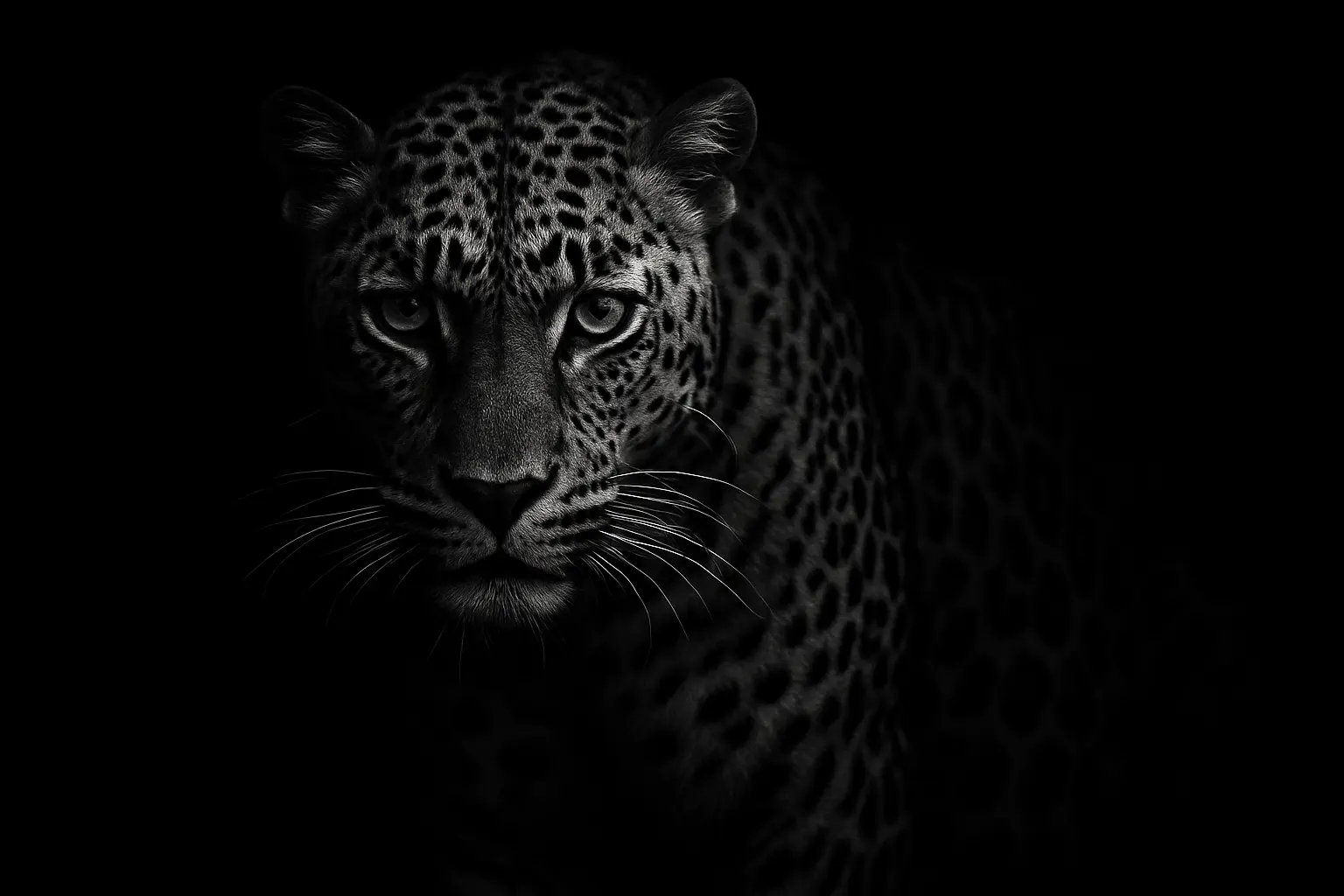
Then came the radio crackle: leopard sighted.
Our driver and guide made a quick dash east, and minutes later, our guide pointed to a distant granite boulder where a leopard lay sprawled in the soft light - just visible, yet electrifying. We stayed quietly for half an hour, cameras forgotten, watching as more jeeps gathered (the only downside of Yala’s popularity).
Escaping the crush, we set off on our own - this time in search of elephants. We drove the windy, dirt roads, encountering more buffalo, crocodiles and other small fauna before we stumbled across an elephant family at a large watering hole. Despite having seen elephants a lot in our travels, seeing these alien-like behemoths again is always an exciting experience.
Engine off, we could hear each form of communication - the grunts and huffs and trumpets, and it was utterly wonderful.
This encounter was our last for a while, as we drove to Patanangala Beach picnic area for a break and walk on the beach.
It was here the raw and rugged nature of the park really became apparent - the heavy sea, and the vast rocky outcrops intersecting with the vast national park. It’s an exceptionally beautiful place.
Overall, the safari was a wonderful experience, and the incredible elephant encounter somewhat limited our disappointment in not seeing a leopard up close.
Since our first visit, we’ve enjoyed another safari in Yala. This time, we saw no elephants nor leopards. We didn’t care, the excitement of winding through the roads and tracks searching for rare animals was enough.
It made us realise that each safari in Yala National Park is different, but that’s part of the charm. Some drives deliver leopards in the first 15 minutes; others reward you with elephants, sloth bears, and the kind of silence you can only find in the wild.
YALA NATIONAL PARK OVERVIEW
WHERE | South-Western Sri Lanka
SIZE | 979 km² (divided into five blocks; Block I is the main tourist area)
BEST FOR | Leopards, Elephants, Sloth bears, Crocodiles, Birdlife
OPENING HOURS | 6 am – 6 pm (daily, weather permitting)
SAFARI FEES (2025) | Approx. LKR 18 000 – 25 000 (USD 55 – 75) per jeep for a half-day safari; includes vehicle, guide & permits
MAIN ENTRANCE | Palatupana Gate (near Tissamaharama)
WHERE TO STAY | Read our guide here
HOW TO GET THERE | Local bus, Taxi, tuk-tuk, private transfer
THINGS TO KNOW BEFORE VISITING YALA NATIONAL PARK
DO YOU NEED A GUIDE TO VISIT YALA NATIONAL PARK?
Yes, absolutely.
Every jeep entering Yala must have a registered guide or tracker, and a good one can transform the experience.
Think of your Yala National Park guide as a personal key that unlocks the secrets of the park. Not only will they know the best routes to take and prime spots to visit but they’ll also be able to point out animals and plants that you might miss on your own.
And you’ll miss a LOT.
These guys are well-versed around the park and can take you to the most scenic and animal-rich areas, as well as give you an exclusive glimpse into the park’s wild world.
They’re also in constant communication with other safari drivers, which means you are more likely to hear about animal sightings happening in other parts of the park, especially leopards.
Furthermore, having an experienced and knowledgeable guide is a small investment that can make your visit to Yala National Park, even more, fun and interesting.s).
BOOK | This highly-rated golden hour guided safari, or this full day safari with lunch
Ready to see this in real life?
Book your Yala safari today and experience the magic firsthand.
Explore Packages