
Ultimate Guide to Yala National Park Safari: Leopards, Best Times & Insider Tips (2025)
Ultimate Guide to Yala National Park Safari: Leopards, Best Times & Insider Tips (2025)
Are you planning a trip to Sri Lanka’s wildlife capital? Yala National Park is globally renowned for having one of the highest densities of leopards in the world. Whether you are a serious wildlife photographer or a family looking for an unforgettable adventure, this guide covers everything you need to know—from spotting the elusive Panthera pardus kotiya to avoiding the safari crowds.
Why Yala National Park is a Must-Visit
Located in the southeast region of Sri Lanka, Yala covers 979 square kilometers of diverse ecosystems, ranging from moist monsoon forests to freshwater marine wetlands and sandy beaches. But the real draw is the wildlife.
1. The Kingdom of the Leopard
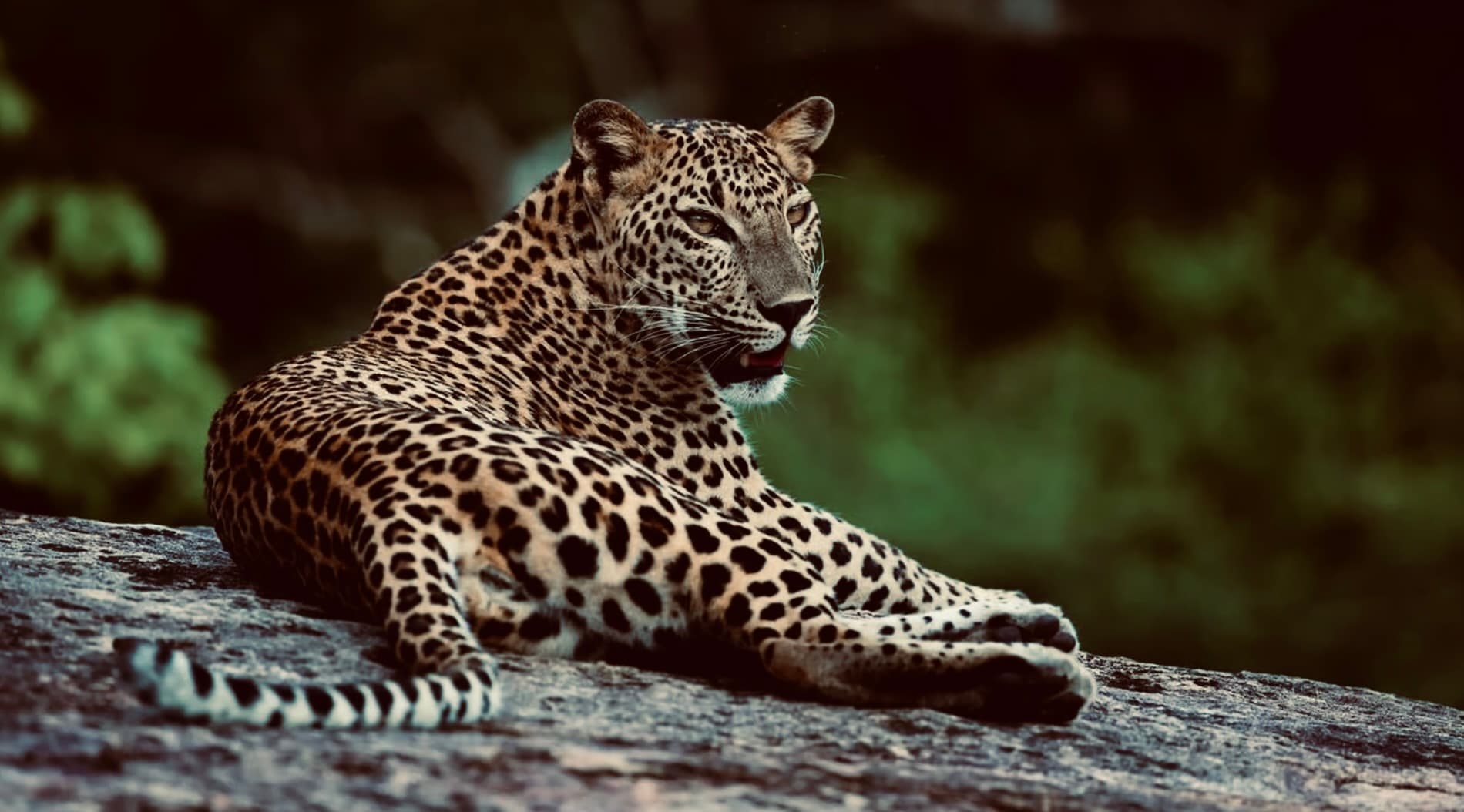
Yala is arguably the best place on Earth to see a leopard in the wild. The park’s Block 1 has a recorded density of approximately one leopard per square kilometer. Unlike their shy African cousins, Sri Lankan leopards are the apex predators here, meaning they are often seen walking boldly down safari tracks or basking on rocky outcrops (known as kopjes).
2. A Haven for Elephants
Yala is home to a stable population of 300–350 Sri Lankan Elephants (Elephas maximus maximus). You will frequently see herds bathing in the lagoons or solitary tuskers crossing the main roads.
3. The Sloth Bear & The "Palu" Season
The Sri Lankan Sloth Bear is a rare sight, but your chances skyrocket during the Palu season (May to June). This is when the Palu trees bear sweet fruit, drawing the bears out of the dense jungle to feast.
Best Time to Visit Yala National Park
Understanding Yala’s climate is key to a successful safari. The park is in a dry, semi-arid climatic region, receiving rain mainly during the northeast monsoon.
Peak Wildlife Season (February – June): This is the dry season. Waterholes dry up, forcing animals to gather at the remaining lagoons to drink. This is the best time for leopard and elephant sightings.
The "Palu" Season (May – June): The sweet spot for seeing Sloth Bears.
Park Closure (Usually September/October): The park often closes for 4-6 weeks for maintenance and drought relief. Always check yalawildlife.com for the latest closure dates before booking.
Safari Zones: Block 1 vs. Block 5
Yala is divided into five "Blocks," but only two are main tourist hubs. Choosing the right one depends on your priorities.
Block 1 (The Popular Choice)
Best for: First-timers and those desperate to see a leopard.
The Reality: It has the highest density of leopards, but also the highest density of jeeps. Expect "traffic jams" at major sightings.
Block 5 & Other Zones (The Quiet Choice)
Best for: Nature lovers who prefer peace over guaranteed sightings.
The Reality: You might see fewer leopards, but you will enjoy the jungle in solitude. The scenery here is stunning, with fewer vehicles disturbing the peace.
Morning vs. Afternoon Safari: Which is Better?
Morning (starts ~5:00 AM): The "Golden Hour" light is perfect for photography. Predators like leopards are often still active from the night. It’s cooler and more pleasant.
Afternoon (starts ~2:30 PM): As the day heats up, animals come to the waterholes to drink. This is often better for seeing elephants and crocodiles.
Pro Tip: For the ultimate experience, book a Full Day Safari. You get to stay deep in the park during the midday lull when other jeeps leave, often giving you private sightings.
How to Get to Yala National Park
Yala is about 300 km from Colombo. Here are your travel options:
By Car/Taxi: The drive via the Southern Expressway takes about 4-5 hours.
By Bus: Take an inter-city bus to Tissamaharama (Tissa), the nearest gateway town. From there, your safari jeep can pick you up.
By Plane: Domestic flights (Cinnamon Air) fly from Colombo to nearby airfields like Hambantota/Mattala.
Essential Tips for an Ethical Safari
Overcrowding is a challenge in Yala. You can be part of the solution:
Don't Pressure Your Driver: Speeding to get to a sighting stresses the animals. Ask your driver to drive slowly—you’ll spot more wildlife that way.
Stay in the Vehicle: Yala is wild. Mugger crocodiles and venomous snakes are common.
Leave No Trace: Do not throw plastic or food wrappers. Waste mismanagement causes elephants to ingest plastic, which is fatal.
Ready to Book Your Yala Adventure?
Planning a safari can be confusing with so many jeep options and gate rules. For the most reliable jeep bookings, up-to-date entrance fee costs, and expert guides who know the leopard territories, visit our official reservation portal.
Plan Your Trip at YalaWildlife.com
Ready to see this in real life?
Book your Yala safari today and experience the magic firsthand.
Explore Packages