Yala National Park The World's Greatest Leopard Safari
What Makes Yala National Park Special?
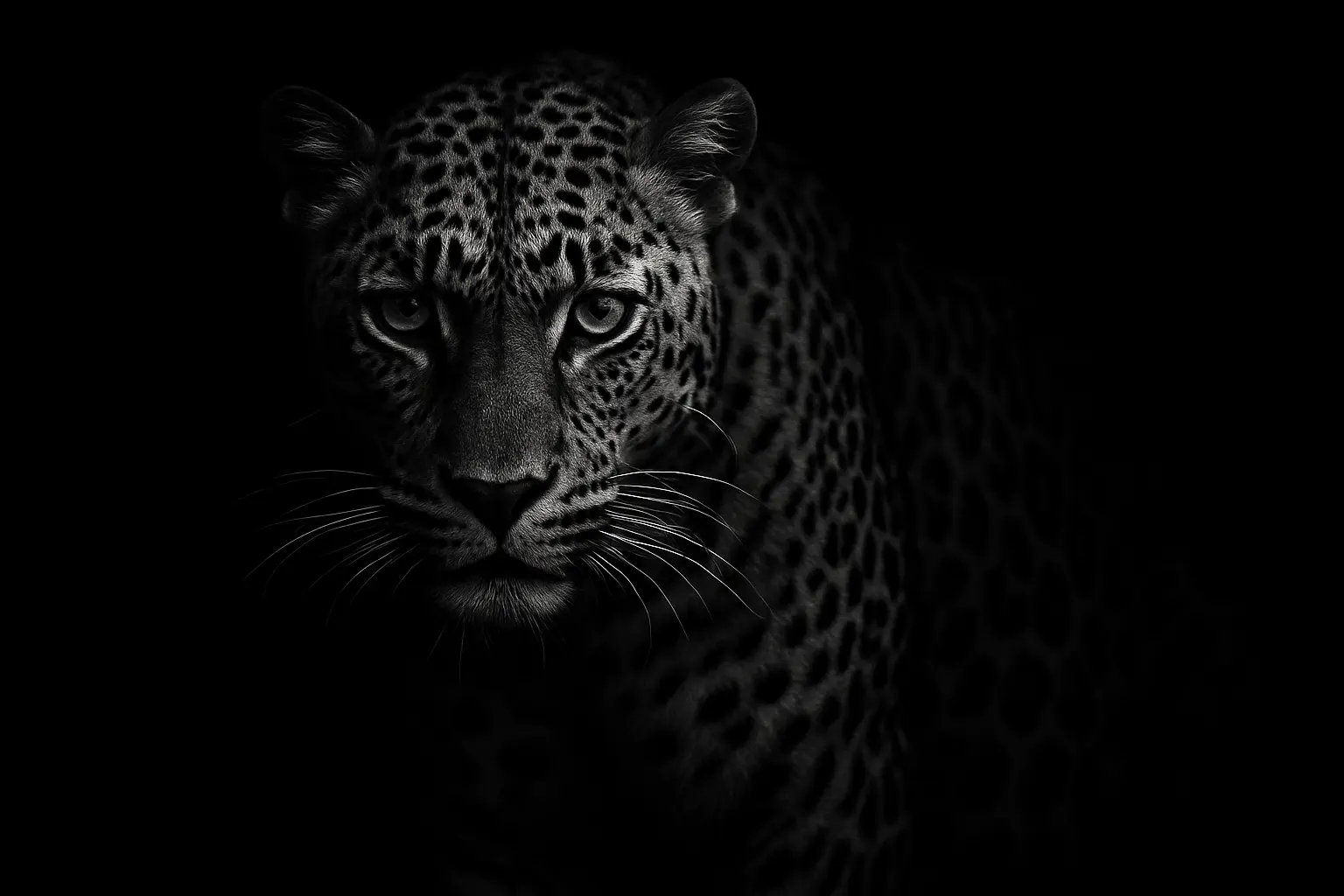
Yala National Park sits in the sun-scorched southeastern corner of Sri Lanka and holds a rare place in the wildlife world. It is one of the very few locations on Earth where seeing a leopard is not just possible — but genuinely likely.
The park is widely regarded as having the highest leopard density per square kilometre of any national park in the world. This concentration is strongest inside the 142 km² area known as Block I.
But Yala is far more than a “leopard park.”
Across nearly 1,000 square kilometres, the landscape transforms dramatically. Rocky outcrops rise above open scrubland. Dense jungle gives way to freshwater lagoons. Beyond that, a wild Indian Ocean coastline stretches into the distance.
Ancient Buddhist ruins are hidden within the forest. Among them stands the 2,000-year-old Sithulpawwa Rock Temple, carved into stone and overlooking the same clearings where elephants gather at dusk.
Just beyond the park boundary lies Kataragama, one of the island’s most sacred pilgrimage towns. Here, spirituality and wilderness exist side by side.
In Yala, leopards prowl jungle paths once walked by pilgrims. That contrast is unlike anywhere else on the planet.
A Park With Deep Roots
Yala was first declared a wildlife sanctuary in 1900. In 1938, it officially became a national park, making it one of Sri Lanka’s oldest protected areas.
Today, it is also the country’s most visited national park. International arrivals continue to rise, driven largely by the global fascination with spotting the elusive Sri Lankan leopard.
This leopard — scientifically known as Panthera pardus kotiya — is a subspecies found nowhere else on Earth.
Yala By the Numbers
The park is divided into five blocks.
Block I (also called Zone 1) is the only section open to general visitors under standard safari arrangements. It is also the most wildlife-dense and most visited.
Blocks III, IV, and V exist but require specialist permits. These areas are quieter, wilder, and offer a more remote safari experience.
Yala is also designated as a Ramsar Wetland of International Importance due to its coastal lagoons and birdlife. It serves as a vital corridor for elephants, leopards, and sloth bears.
Where Is Yala?
Yala lies in southeastern Sri Lanka, spanning the Hambantota and Monaragala districts.
The main entrance — Palatupana Gate — is about 20 km south of Tissamaharama (known locally as “Tissa”), which serves as the primary base for visitors.
Most travellers reach Yala by private driver, especially from Ella or the southern coast. It is the easiest and most time-efficient option.
Budget travellers can use local buses connecting Colombo to Matara or Tangalle, then onward to Tissa. The closest train station is Beliatta, followed by a short tuk-tuk ride.
Best Time to Visit Yala
Timing is everything in Yala.
From February to June, dry weather lowers water levels and forces animals to gather around shrinking waterholes. Vegetation thins, visibility improves, and leopard sightings peak.
May and June are especially good for spotting sloth bears during palu fruit season.
July and August remain dry and productive, but with slightly fewer crowds.
December and January bring lush green landscapes and strong elephant activity — though jeep numbers rise sharply during holiday season.
Block I usually closes in September and October for park restoration. Always check in advance before planning.
Best Time to See Leopards
If leopards are your main goal, aim for late February through June.
During this dry window, leopards move more openly across exposed rock and grassland. Experienced guides often locate them by listening for alarm calls from spotted deer.
Full-day safaris increase your sighting odds by roughly 30% compared to half-day sessions. Early morning and late afternoon are the most active periods.
Leopard sightings are never guaranteed — these are wild animals — but Yala offers some of the best odds in the world.
Wildlife Beyond Leopards
Yala is home to 44 mammal species and over 215 bird species.
Elephants roam in family groups across scrubland and lagoons.
Sloth bears, one of Asia’s most elusive mammals, can sometimes be seen feeding openly during fruit season.
Mugger crocodiles bask along the edges of lagoons.
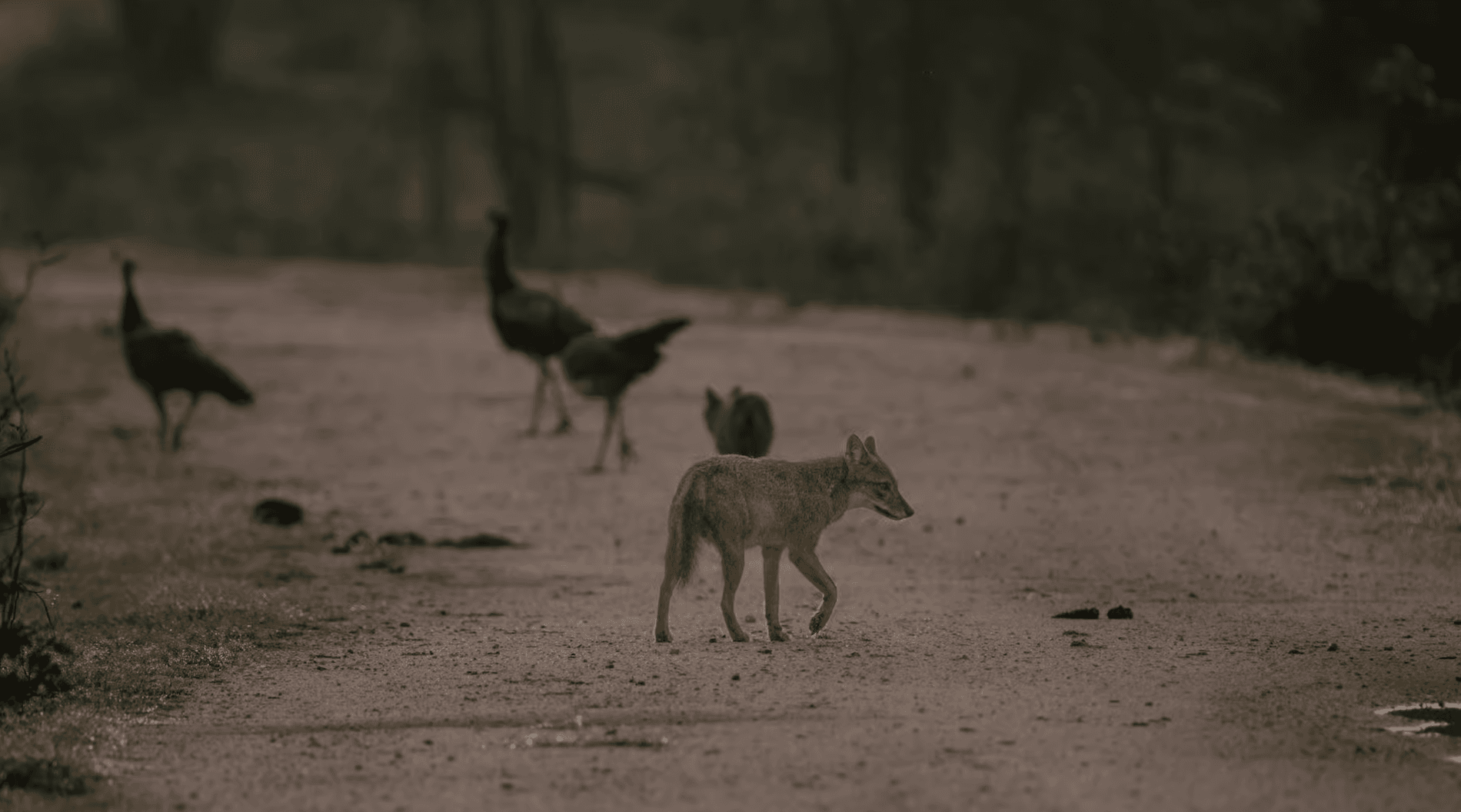
Indian peafowl are so common they almost become background scenery — until a male fans his feathers in golden light.
Spotted deer move in large herds. Their sharp alarm calls often signal that a predator is nearby.
For birdwatchers, Yala is a paradise, with several endemic Sri Lankan species found within its boundaries.
Ready to see this in real life?
Book your Yala safari today and experience the magic firsthand.
Explore Packages