Sri Lanka Wildlife Safari Guide 2026 The Complete Handbook to Every Park, Animal & Experience
The complete Sri Lanka wildlife safari guide for 2026 every national park, every animal, best times, costs, booking tips, and the honest truth about Yala leopards, Minneriya elephants, Wilpattu solitude, and Mirissa blue whales. Everything in one place.
Sri Lanka: The World's Most Underrated Wildlife Destination
Ask wildlife experts where to find the world's highest density of wild leopards. The answer is Sri Lanka. Ask where to watch the world's largest animal the blue whale from a small boat at close range. The answer is Sri Lanka. Ask where to find wild sloth bears climbing trees in daylight, elephants gathering in hundreds at an ancient reservoir, or six endemic bird species in a single morning drive. The answer, again, is Sri Lanka.
It is the only place in Asia where you can see a leopard, a sloth bear, and an elephant on the beach all in a single morning.
Yet Sri Lanka remains dramatically underrated as a wildlife destination. Most international visitors come for the beaches, the temples, and the Ella train and discover the wildlife almost by accident. The visitors who plan specifically for the wildlife come home saying it was one of the finest natural history experiences of their lives.
This guide is for those visitors. The complete Sri Lanka wildlife safari handbook for 2026 — every destination, every species, every tactic, every cost. Read it once. Then go.
Why Sri Lanka's Wildlife Is Different From Everywhere Else
The Apex Predator Factor
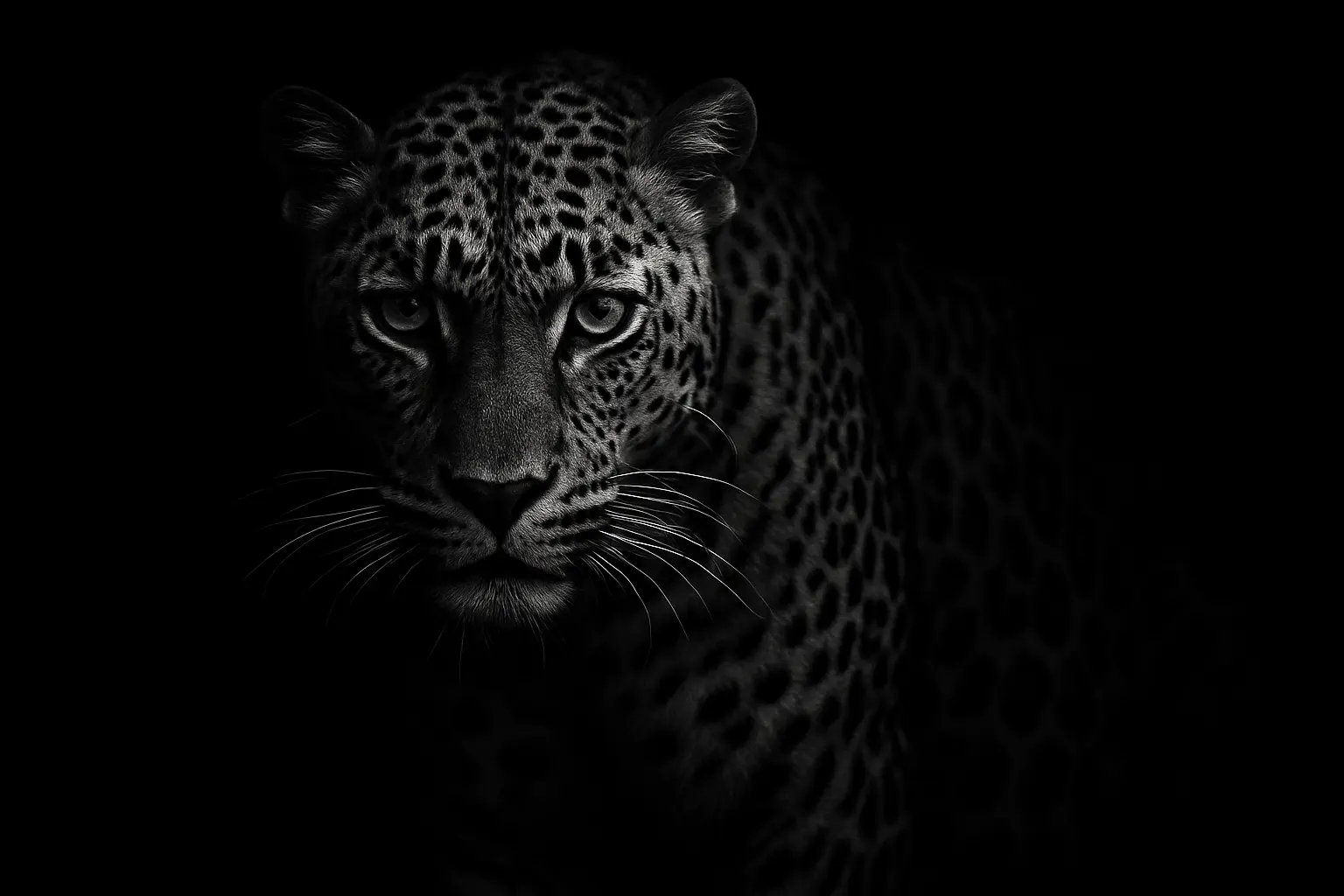
In Yala, the Sri Lankan Leopard (Panthera pardus kotiya) is the apex predator. With no lions or tigers to compete with, these leopards have evolved to be larger and bolder than their cousins elsewhere. They are frequently spotted walking confidently on open roads or resting on rocky outcrops — making Yala the best place on Earth to photograph them.
This single ecological fact — no apex competition — explains everything distinctive about Sri Lanka's leopard watching. The wariness that makes African leopards so elusive, the nocturnality that makes Indian leopards so rarely seen — these behaviours exist as evolutionary responses to competition. In Sri Lanka, that competition never existed. The result is a wild big cat that uses daylight actively, rests openly on granite boulders, and regards safari jeeps with the casual disinterest of an animal that has never needed to be afraid of anything.
The Density Factor
Yala National Park Block 1 is widely considered the best place in the world to see leopards. The park has the highest density of leopards anywhere, and experienced trackers can achieve sighting success rates of over 60% during the dry season.
The mathematics of this density — approximately one leopard per square kilometre in Block 1's prime habitat — are what produce the sighting rates that have driven a 45% spike in Yala search interest in 2026. This density is not replicated anywhere else on Earth. It is the foundation of every extraordinary Yala experience.
The Compactness Factor
Sri Lanka is approximately the size of Ireland. Every major wildlife destination — Yala in the southeast, Wilpattu in the northwest, Udawalawe in the south-centre, Minneriya in the north-centre, Mirissa on the south coast — is accessible from Colombo within 5–6 hours. A two-week Sri Lanka trip can realistically include three or four distinct wildlife experiences that no other country on Earth offers within a comparable geography.
Sri Lanka's Complete Wildlife Destinations: Where to Go for What
1. Yala National Park — The Leopard Capital
Location: Southeastern Sri Lanka, Hambantota District Best for: Leopards, sloth bears (May–August), elephants, coastal wildlife Best time: February–June (dry season), with May–June offering best combination of wildlife and low crowds Cost: A half-day safari typically costs $70–$85 USD including permits.
The best time to visit Yala for leopard sightings in 2026 is during the dry season from February to June. During these months, the park's water sources dwindle to approximately 40 active holes, drawing predators into the open. April and May are particularly rewarding, offering a 90 percent success rate for sightings.
Yala is the anchor of any Sri Lanka wildlife itinerary. The park hosts diverse ecosystems ranging from moist monsoon forests to freshwater and marine wetlands, and is important for the conservation of Sri Lankan elephants, Sri Lankan leopards, and 44 mammal species.
The Big Five at Yala: The Wild Water Buffalo, Crocodile, Asian Elephant, Leopard, and Sloth Bear — the park's charismatic ambassadors, drawing visitors from around the world to experience the magic of the wild.
Recommended duration: You should spend at least two to three days in Yala to fully appreciate its 979 square kilometres of wilderness. This timeframe allows for five distinct game drives, increasing your chances of seeing the Big Three including leopards, elephants, and sloth bears.
2. Wilpattu National Park — The Solitude Safari
Location: Northwestern Sri Lanka, near Anuradhapura Best for: Leopards in solitude, large elephant herds, authentic wilderness atmosphere Best time: February–May (dry season) Cost: Lower than Yala — approximately USD 55–75 per person all-inclusive half-day
Wilpattu is the best choice for wildlife enthusiasts who prioritise quality of encounter over statistical probability of sighting — the park receives a small fraction of Yala's visitor numbers and offers leopard and elephant encounters in conditions that Yala cannot replicate during peak season.
Wilpattu's defining feature is its system of villus — natural sand-rimmed lakes scattered through ancient dry forest. These water bodies concentrate wildlife predictably while the near-absence of jeep traffic produces the rarest thing in Sri Lanka wildlife tourism: a genuine sense of wilderness.
The trade-off: The Sri Lankan Leopard is elusive and beautiful — the apex predator in Sri Lanka — best spotted in Yala and Wilpattu. Wilpattu's leopard probability per drive is lower than Yala's but the quality of encounter when it happens is consistently superior. No jeep jams. No radio-network scrambles. One animal, one or two vehicles, silence.
Who should choose Wilpattu over Yala: Visitors who find crowds genuinely uncomfortable, photographers who want clean backgrounds without competing vehicles, and travellers visiting the Cultural Triangle for whom Wilpattu is geographically natural.
3. Udawalawe National Park — The Elephant Certainty
Location: South-central Sri Lanka Best for: Elephants (near-certain), affordability, families Best time: Year-round — Udawalawe never closes and delivers consistently Cost: Significantly lower than Yala — approximately USD 40–60 per person all-inclusive
Udawalawe National Park is generally the more affordable safari in Sri Lanka — you will pay the same price for a private tour in Udawalawe as you would for a shared tour in Yala. Foreign visitor park fees alone at Yala sit at approximately $35–42 USD per person in 2026, on top of the jeep hire.
Udawalawe is Sri Lanka's elephant park — where seeing a herd of 20–50 wild Asian elephants is essentially guaranteed on any drive. The open grassland setting around the Udawalawe Reservoir makes spotting effortless and photography unobstructed.
The Elephant Transit Home: Adjacent to the park, this rehabilitation centre raises orphaned elephant calves before releasing them into the wild. Feeding time — when young orphans gather to receive bottles of milk — is one of the most emotionally engaging wildlife experiences available in Sri Lanka.
Who should choose Udawalawe: Families with children (nearly certain elephant encounters, shorter and less rough drives), budget travellers who want maximum wildlife per rupee, and visitors for whom the leopard is not the primary goal.
4. Minneriya National Park — The Greatest Elephant Spectacle on Earth
Location: North-central Sri Lanka (Cultural Triangle) Best for: The Gathering — the largest congregation of Asian elephants anywhere on Earth Best time: August–October (Gathering season) Cost: Approximately USD 40–65 per person all-inclusive
The Gathering at Minneriya — when hundreds of elephants (sometimes 300+) converge on the ancient Minneriya Tank — is the most spectacular single wildlife event in Asia. Between August and October, as surrounding water sources dry up, every elephant within range descends on this 1,700-year-old irrigation reservoir simultaneously.
The scale of The Gathering: 300 Asian elephants at one water body simultaneously. Calves swimming in the shallows. Bulls sparring on the grass margins. Matriarchs leading family herds to drink in single file. The spectacle dwarfs every other elephant experience available in Sri Lanka or anywhere in Asia.
Who should choose Minneriya: Visitors in the Cultural Triangle between August and October — this is non-negotiable. If your dates align with Gathering season and you are within 30 minutes of Minneriya, visiting is the single best wildlife decision you can make in Sri Lanka.
5. Mirissa — Blue Whales and the Ocean Giants
Location: South coast, near Matara Best for: Blue whales, sperm whales, spinner dolphins Best time: November–April (peak blue whale season) Cost: Approximately USD 35–55 per person for a shared boat
Sri Lanka is one of the best places in the world for whale watching. The southern coast offers sightings of whales, dolphins, and sea turtles, especially near Mirissa and Kalpitiya.
The blue whale — the largest animal that has ever existed in the history of life on Earth — migrates through the deep water off Dondra Point, 15 kilometres south of Mirissa, between November and April. The boat approaches slowly; the engine cuts; and then the whale surfaces — back emerging for what seems like an impossible length of time, the flukes rising before the animal dives.
The unique combination: Sri Lanka is the only country where you can see both the world's largest land animal (the elephant at Udawalawe or Minneriya) and the world's largest animal ever (the blue whale at Mirissa) in a single trip. This combination exists nowhere else on Earth.
6. Bundala National Park — The Birder's Secret
Location: South coast, 30 minutes west of Yala Best for: Waterbirds, flamingos, migratory species Best time: November–March (migratory bird season peak) Cost: Significantly lower than Yala
A UNESCO Biosphere Reserve adjacent to Yala's western boundary, Bundala hosts one of the finest waterbird assemblages in South Asia. Greater flamingos, painted storks, black-necked storks, and enormous migratory wader populations concentrate at the coastal lagoons from November to March.
For visitors spending time at Yala, a Bundala half-day during the mandatory midday rest period (Yala's closure from 10 AM to 2 PM) is the optimal addition — different ecosystem, different species, lower cost, zero additional travel time.
7. Kumana National Park — The East Coast Alternative
Location: Eastern Sri Lanka, accessible from Arugam Bay Best for: Waterbird breeding colonies, leopards in solitude, Arugam Bay combination Best time: April–July (breeding colony peak) Cost: Approximately USD 50–70 per person all-inclusive
Yala's less-known eastern extension hosts one of Sri Lanka's most extraordinary wildlife spectacles — the Kumana Villu breeding colony, where hundreds of painted storks, herons, and pelicans nest simultaneously in a single mangrove stand during April to July. The scale is genuinely staggering.
Combined naturally with Arugam Bay's world-class surf, Kumana represents the finest east coast wildlife addition available and is accessible via a day trip from any Arugam Bay accommodation.
Sri Lanka's Wildlife: The Complete Species Guide
Mammals (44 Species)
The Sri Lankan Leopard (Panthera pardus kotiya): The Sri Lankan Leopard is not simply a regional subspecies — it is a genuinely distinct population, physically larger than its Indian and African relatives. The leopards in Yala are larger than other leopards in Asia due to the absence of tigers and lions — they are the top predators here.
Best locations: Yala Block 1 (highest probability), Block 5 (best quality), Wilpattu (solitude)
The Asian Elephant (Elephas maximus maximus): Sri Lanka's elephant population is the largest subspecies of Asian elephant. Yala hosts 300–350 individuals. Udawalawe and Minneriya offer the most reliable herd encounters.
The Sri Lankan Sloth Bear (Melursus ursinus inornatus): Sloth Bears: sightings peak in May–July when they come out to eat the fermented Palu fruit. This endemic subspecies is best seen at Yala during Palu season — one of the most charming and unexpected wildlife encounters in Asia.
Other Key Mammals: Mugger Crocodile (near-certain at Yala's lagoons), Wild Water Buffalo (large herds in Yala's grasslands), Spotted Deer (abundant), Grey Langur, Toque Macaque (endemic), Golden Jackal, Mongoose species, Monitor Lizard species.
Birds (215+ Species Including 6 Endemics)
Over 215 species, including the Greater Flamingo and the endemic Sri Lanka Junglefowl.
Sri Lanka is a birder's paradise with over 30 endemic species, including the Sri Lanka Junglefowl and Layard's Parakeet.
The six Yala-specific endemics: Sri Lanka Grey Hornbill, Black-capped Bulbul, Sri Lanka Junglefowl (national bird), Brown-capped Babbler, Ceylon Swallow, Yellow-fronted Barbet.
For migratory species: November to February brings thousands of Palaearctic migrants to Sri Lanka's coastal wetlands — including rare waders, harriers, and waterfowl from breeding grounds as far north as Siberia.
Marine Life
Marine Life — the southern coast offers sightings of whales, dolphins, and sea turtles, especially near Mirissa and Kalpitiya.
Blue Whale: Best in the world at Mirissa, November–April. The largest animal ever to have lived.
Sperm Whale: Second most common whale at Mirissa, year-round but best November–April.
Spinner Dolphin: Near-certain on every Mirissa whale watching departure — pods of 50–200+.
Sea Turtles: Five species nest on Sri Lanka's south coast. Rekawa Beach (near Tangalle) offers night-time nesting observation, April–July.
Whale Shark: Occasional encounters in the deep water off Dondra Point — not a whale but equally extraordinary.
The Complete Sri Lanka Wildlife Calendar: What to See When
Month Yala Leopard Yala Sloth Bear Elephants Minneriya Mirissa Whales Birds
The Complete Wildlife Safari Cost Guide for Sri Lanka 2026
Yala National Park
Safari Type Cost Per Person
Shared jeep (half-day) USD 50–67
Private jeep 2 people (half-day) USD 80–95
Private jeep solo (half-day) USD 90–115
Full-day private (2 sharing) USD 130–180
A half-day shared jeep safari at Yala costs around $40–60 per person. A private full-day safari with an experienced tracker runs $80–150 per person. Premium experiences with exclusive vehicles and expert guides range from $200–400 per person.
Wilpattu National Park
Safari Type Cost Per Person
Shared jeep (half-day) USD 40–60
Private jeep (half-day) USD 65–85
Udawalawe National Park
Safari Type Cost Per Person
Shared jeep (half-day) USD 35–55
Private jeep (half-day) USD 55–75
Minneriya National Park
Safari Type Cost Per Person
Shared jeep (half-day) USD 35–55
Private jeep (half-day) USD 55–75
Mirissa Whale Watching
Option Cost Per Person
Shared boat USD 35–55
Private charter USD 250–400 total
Planning the Perfect Sri Lanka Wildlife Circuit
The 7-Day Wildlife-First Route
Day 1: Arrive Colombo → Wilpattu National Park (afternoon drive) Day 2: Wilpattu morning drive → drive to Kandy Day 3: Kandy → scenic train to Ella Day 4: Ella → Udawalawe (afternoon elephant safari) Day 5: Udawalawe → Yala (afternoon leopard safari) Day 6: Yala dawn drive → continue to Mirissa Day 7: Mirissa whale watching (November–April) → return Colombo
This route delivers: Wilpattu solitude, scenic train, Udawalawe elephants, and Yala leopards — the complete Sri Lanka wildlife circuit in 7 days.
The 10-Day Extended Wildlife Route (Recommended)
Days 1–2: Cultural Triangle (Sigiriya + Minneriya if August–October) Days 3–4: Kandy + scenic train to Ella Days 5–6: Ella → Udawalawe (half-day) → Yala (2 nights, 4 drives) Days 7–8: South coast (Mirissa whale watching + beach) Days 9–10: Galle Fort + return Colombo
This structure delivers: Cultural Triangle, scenic train, two national parks, whale watching, and colonial beach town — the complete Sri Lanka experience anchored by wildlife.
The August–October Specialist Route (The Gathering Circuit)
Days 1–2: Minneriya/Kaudulla (The Gathering — 200–300+ elephants) Days 3–4: Sigiriya + Kandy Days 5–6: Ella (train from Kandy) Days 7–8: Udawalawe (elephant families) Days 9–10: Yala (leopard + sloth bear)
This structure delivers: The world's greatest elephant spectacle + the world's most accessible leopard encounters in a single 10-day circuit.
The Ethical Framework: Being a Wildlife Tourist Who Helps
The Sri Lankan Leopard is classified as Vulnerable on the IUCN Red List. The primary threats are habitat fragmentation and human-induced mortality. The Yala population specifically is the most secure subpopulation on the island.
Tourism revenue is the primary economic argument for Sri Lanka's wildlife parks remaining protected. Your visit — done ethically — contributes directly to the case for protection. Done carelessly, it contributes to the stress that degrades the wildlife behaviour that makes the parks extraordinary.
The universal ethical rules across all Sri Lanka wildlife destinations:
* Maintain 30 metres minimum distance from all wildlife
* Never pressure guides to approach more closely than they have voluntarily positioned
* Avoid operators who guarantee sightings (no ethical guide makes this promise)
* Pay after the experience, not before
* Leave a named TripAdvisor review that rewards ethical operators and guides
* Consider a donation to the Wilderness and Wildlife Conservation Trust (wwctlanka.org) which protects Sri Lanka's leopard population
Frequently Asked: Sri Lanka Wildlife Questions
Q: What is the best wildlife destination in Sri Lanka? Yala National Park for leopards (the world's best) and the complete Big Three (leopard, elephant, sloth bear). Visitors who want the complete Big Three — Leopard, Sloth Bear, Elephant — in one park should choose Yala. Minneriya in August–October for elephants. Mirissa for whales in November–April.
Q: Can I see a leopard in Sri Lanka? Yes. Yala National Park Block 1 is widely considered the best place in the world to see leopards. Experienced trackers can achieve sighting success rates of over 60% during the dry season. With two drives over one overnight stay, the combined probability reaches 80–90%.
Q: What is the best time to visit Sri Lanka for wildlife? February to June for Yala leopards. May to August for sloth bears (Palu season). August to October for the Minneriya Gathering. November to April for Mirissa blue whales. The best single month combining multiple wildlife experiences is May — excellent Yala conditions, Palu season bears, and approaching whale season end.
Q: Is Sri Lanka better than Africa for a safari? Sri Lanka shows significantly less wariness toward vehicles than African leopards. Its coat colouration is typically a richer golden-amber. Genetically, it represents an island-isolated lineage with thousands of years of independent evolution as an apex predator without competition. For the leopard specifically, Sri Lanka is unmatched. For the complete Big Five experience with lions, rhinos, and wildebeest migration, Africa remains essential.
Q: How much does a Sri Lanka wildlife holiday cost? A complete 7-day Sri Lanka wildlife circuit (two national parks, whale watching, accommodation, transport) costs approximately USD 800–1,500 per person excluding international flights for a comfortable mid-range experience. This compares exceptionally favourably with an African safari of comparable quality.
Q: Are there tigers in Sri Lanka? No. The Sri Lankan Leopard (Panthera pardus kotiya) is the apex predator — with no lions or tigers to compete with, these leopards have evolved to be larger and bolder than their cousins elsewhere.
The Final Word: Sri Lanka as a Wildlife Destination
Sri Lankan Leopard — elusive and beautiful, the apex predator in Sri Lanka and best spotted in Yala and Wilpattu. Sloth Bear — shaggy and nocturnal, this bear is native to the island and can be seen in dry-zone forests like Yala. Endemic Birds — Sri Lanka is a birder's paradise with over 30 endemic species. Marine Life — the southern coast offers sightings of whales, dolphins, and sea turtles.
This inventory — assembled within the borders of an island the size of Ireland — represents one of the most extraordinary concentrations of wildlife experiences available to any traveller anywhere in the world in 2026.
The visitors who discover this are the ones who planned for it. The ones who chose May for the sloth bear Palu season. The ones who added Minneriya to the Yala circuit when their August dates aligned with the Gathering. The ones who booked the Mirissa whale watching boat before the blue whale season ended.
The wildlife of Sri Lanka rewards the visitor who plans with intention. This guide is that intention.
Go. Plan deliberately. Book the parks. Set the alarms.
The leopard is on the rock. The whales are in the water. The elephants are gathering at the tank.
All of it is waiting.
Last updated: May 2026 | All costs, seasonal data, and wildlife information verified against current 2026 conditions across Sri Lanka's national parks and wildlife destinations.
Ready to see this in real life?
Book your Yala safari today and experience the magic firsthand.
Explore Packages