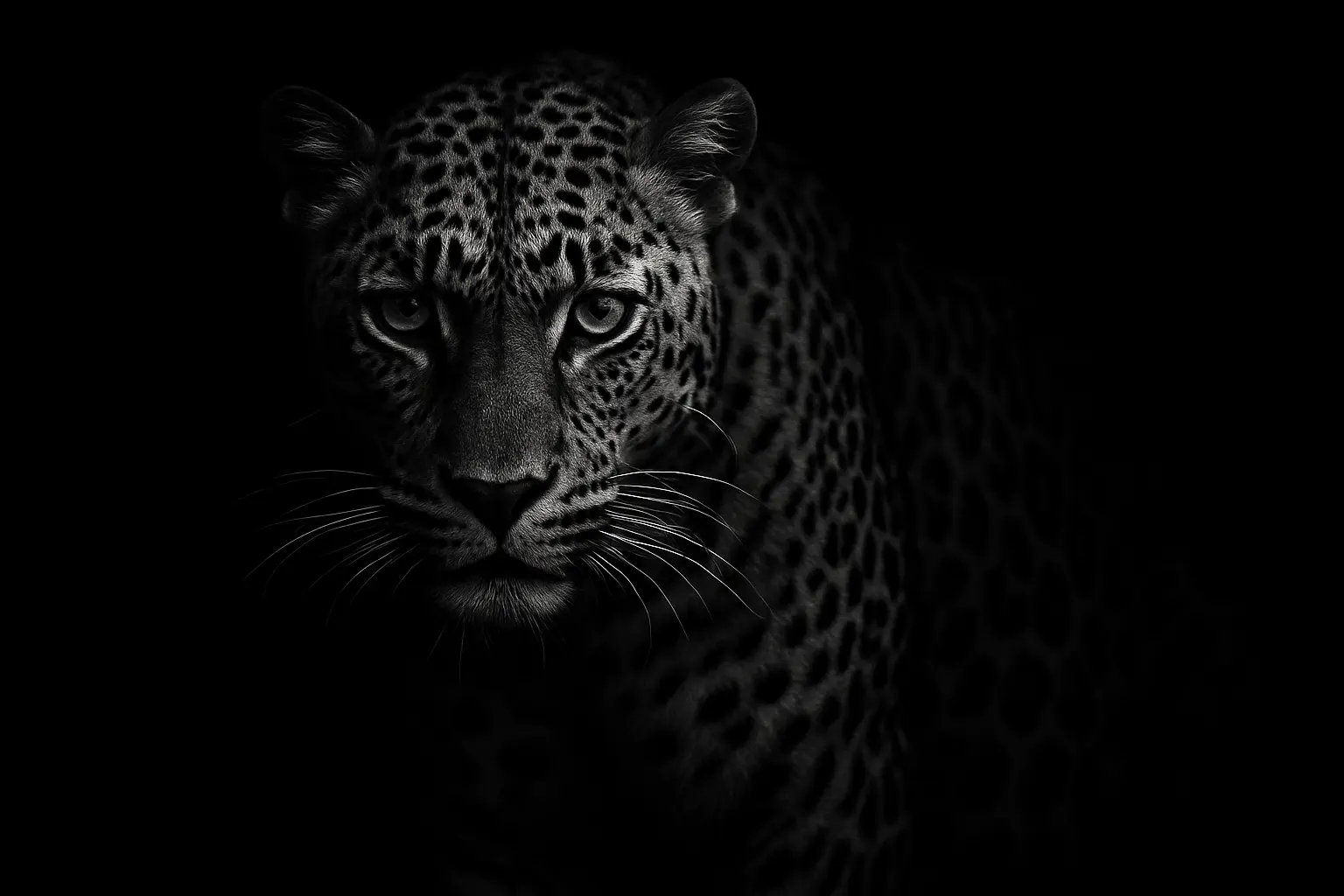
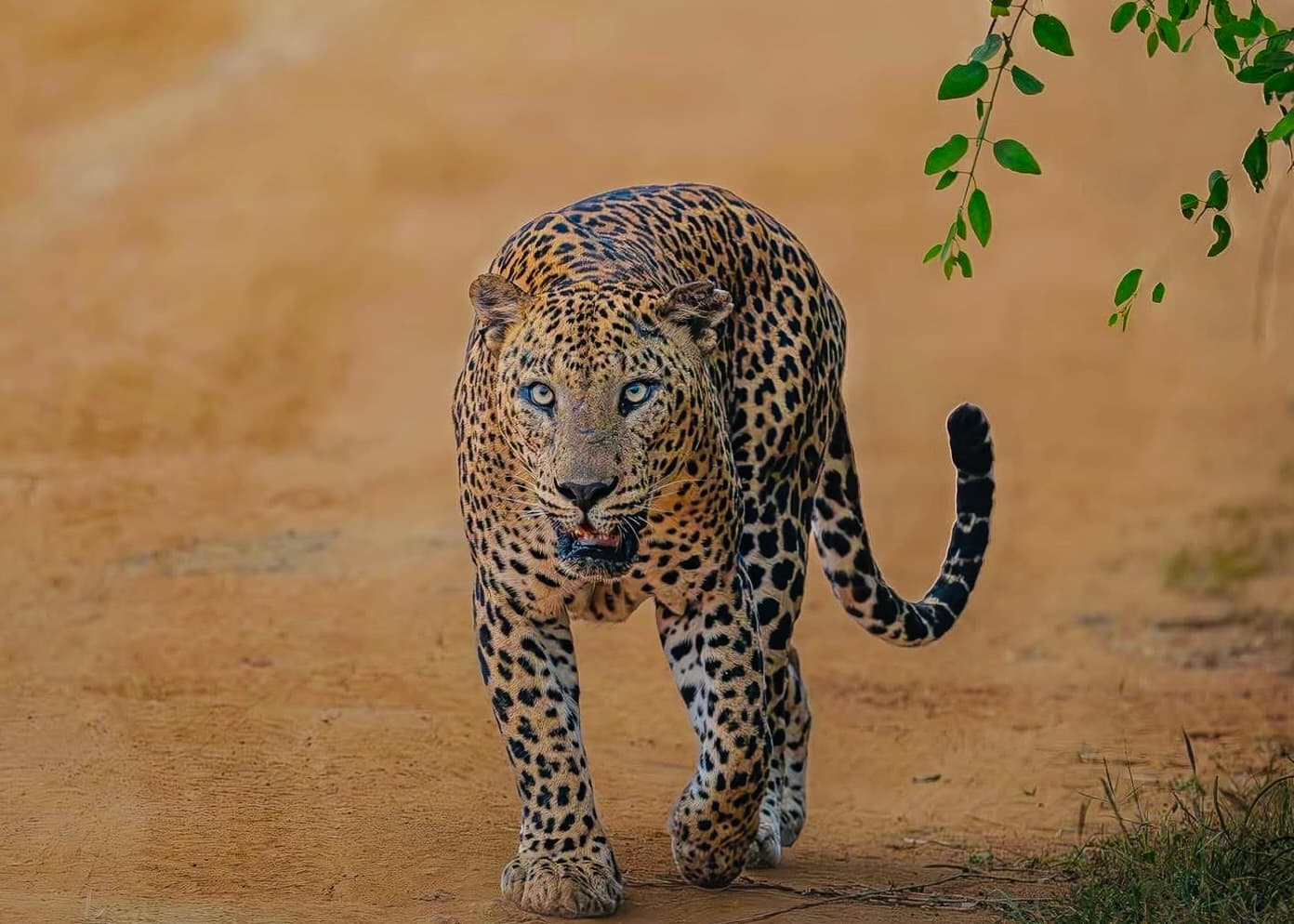
The Leopard's Last Stand Why 2026 is the Defining Year for Yala National Park
For the better part of a decade, the story of Yala National Park has been a simple, irresistible one: come to the southeastern coast of Sri Lanka for the world’s highest density of leopards. The pitch worked. In the first half of 2025 alone, nearly 390,000 visitors streamed through its gates, generating over $5 million in revenue. The park became the undisputed poster child of the country’s wildlife tourism boom—a wilderness where the jungle meets the Indian Ocean and a leopard can be spotted every few kilometers.
But beneath that glossy surface, a brutal reality has been festering. For the wildlife that calls Yala home, 2026 is shaping up to be the most critical year in the park's history. A cascade of shocking incidents has shattered the illusion of a peaceful sanctuary, exposing a crisis that forces every traveler to ask: Are we loving this park to death?
This is the story of Yala’s breaking point—and how a revolutionary digital system and a new generation of ethical travelers are rushing to save it.
The Year Everything Changed: A Crisis Unfolds
For years, the conversation around Yala focused on logistics: where to stay, which jeep to book, and when to go. In 2026, the conversation changed to conservation. What was once an inconvenience has now become a full-blown emergency.
The Lucas Incident: When a Beloved King Vanished
In early April 2026, a major controversy erupted over the fate of Yala’s famed male leopard, “Lucas.” One of the most iconic leopards in the park, Lucas was widely admired by wildlife enthusiasts and photographers for his striking appearance and frequent sightings.
The circumstances were alarming. A major investigation was launched into claims that the big cat may have been run over or possibly targeted in a suspected safari jeep incident. Wildlife Conservation Department Director General Ranjana Marasinghe confirmed an immediate investigation and suspended the jeep believed to have been near Lucas. Unverified social media posts went viral, claiming Lucas had been killed, sparking widespread concern among the global conservation community.
Though park warden Ravindra Kumar later confirmed Lucas was spotted in good health near his usual territory, the damage was done. The incident exposed a terrifying truth: the world's premier leopard park has a safety crisis.
A Park Under Siege
The Lucas incident was not an isolated event. It was the logical conclusion of years of systemic failures driven by a tourism industry without a conscience. Block I of the park, which boasts one of the world’s highest leopard densities, turned into a bottleneck of chaos.
The numbers are damning. With up to 552 registered jeeps vying for space, the park has become a racetrack. Speeding vehicles collide with animals, while unlicensed tour operators chase sightings relentlessly, creating the phenomenon known as "leopard jams." Furthermore, 2026 brought an even more terrifying headline: police reported a shooting incident inside Yala National Park, where individuals in a vehicle allegedly opened fire within the park premises.
The age of innocence for Yala is over. The animals are paying the price, and the government has finally run out of patience.
The Digital Revolution: How 2026 is Saving Yala
Yala’s crisis was a classic case of "tragedy of the commons." In any wildlife park in Sri Lanka, you don't have a carrying capacity restriction. You take any number of people who come, admitted Sri Lanka Tourism Development Authority Chairman Buddhika Hewawasam.
2026 marks the death of that old system.
Strict Carrying Capacity Caps
After years of gridlock, authorities are moving to implement strict carrying capacity limits, with a primary focus on the Yala National Park. Under the proposed changes, Yala will be the first park to operate under a capped daily visitor system, managed through a digital platform. Instead of open access, the park will enforce specific time slots and limits on the number of vehicles entering per hour.
The Unified Digital Ticketing System (E-Ticketing)
To make these caps work, a unified digital ticketing system is being introduced, equipped with QR scanning facilities. This is the future of tourism. You will no longer be able to simply show up at the gate with cash. Access must be pre-booked online.
Authorities are in discussions with the Digital Economy Ministry to finalize this process. A Presidential Task Force is also coordinating efforts between the Wildlife Conservation Department, Forest Department, and tourism authorities to establish a single, unified API connectivity and ticketing platform for all wildlife parks. This is a massive overhaul, but it is essential to ensure the sustainability of wildlife tourism.
The Ethical Revolution: Rules for Responsible Safari-Goers
While the digital ticketing system will save the park from overcrowding, only you can save the animals. The government is also cracking down on driver behavior. Since early 2024, mandatory driver training and licensing programs have been initiated. Only licensed jeeps are permitted entry, with drivers facing fines or license suspensions for violating safety guidelines or speed limits.
You must hold your driver accountable:
* Demand Silence: Your driver should switch off the engine when near a leopard.
* Refuse to Rush: Do not pressure your driver to speed to a sighting. The "race" is what kills the magic of the park.
As Milinda Wattegedara, co-founder of the Yala Leopard Center, noted, the ultimate vision is to establish the park as a world-class destination where leopard conservation and ethical tourism exist together. That future depends entirely on your choices today.
How You Can Save Yala
The future of Yala National Park hangs in the balance. You hold the power to tip the scales.
* Choose the Alternative: Avoid the chaos of Block 1. Instead, request a Block 5 safari, which is less crowded than Block 1 and offers peaceful experiences.
* Respect the Digital System: Book your tickets in advance. The pre-booking system isn't a hassle; it is a tool to reduce the number of cars on the road.
* Tip the Driver, Not the Rules: Praise and reward drivers who keep their distance and turn off their engines. Send a message that speed does not pay.
The leopards are still there. The elephants still gather at the waterholes. The sun still rises over the scrubland and paints the granite rocks gold. Yala remains one of the world's genuinely great wildlife destinations. But this year, 2026, we learn that seeing the king is not a right; it is a privilege—one we must protect.
The shot clock has started. The digital tickets are going live. Don't just book a safari; stand for one.
Ready to see this in real life?
Book your Yala safari today and experience the magic firsthand.
Explore Packages