

I'm Going to Yala National Park for the First Time in 2026 Here's Every Mistake to Avoid (And Exactly What to Do Instead)
First time visiting Yala National Park in 2026? This honest guide covers every real mistake first-timers make morning vs afternoon, half-day vs full-day, choosing guides, what to really expect, and how to have the best possible safari. Target Keywords: Yala National Park first time | Yala safari morning or afternoon | Yala half day vs full day | how many days in Yala | Yala safari tips | Yala what to expect | Yala National Park beginners guide 2026 | Yala safari mistakes
The Moment You Land in Sri Lanka, You Start Making Decisions About Yala
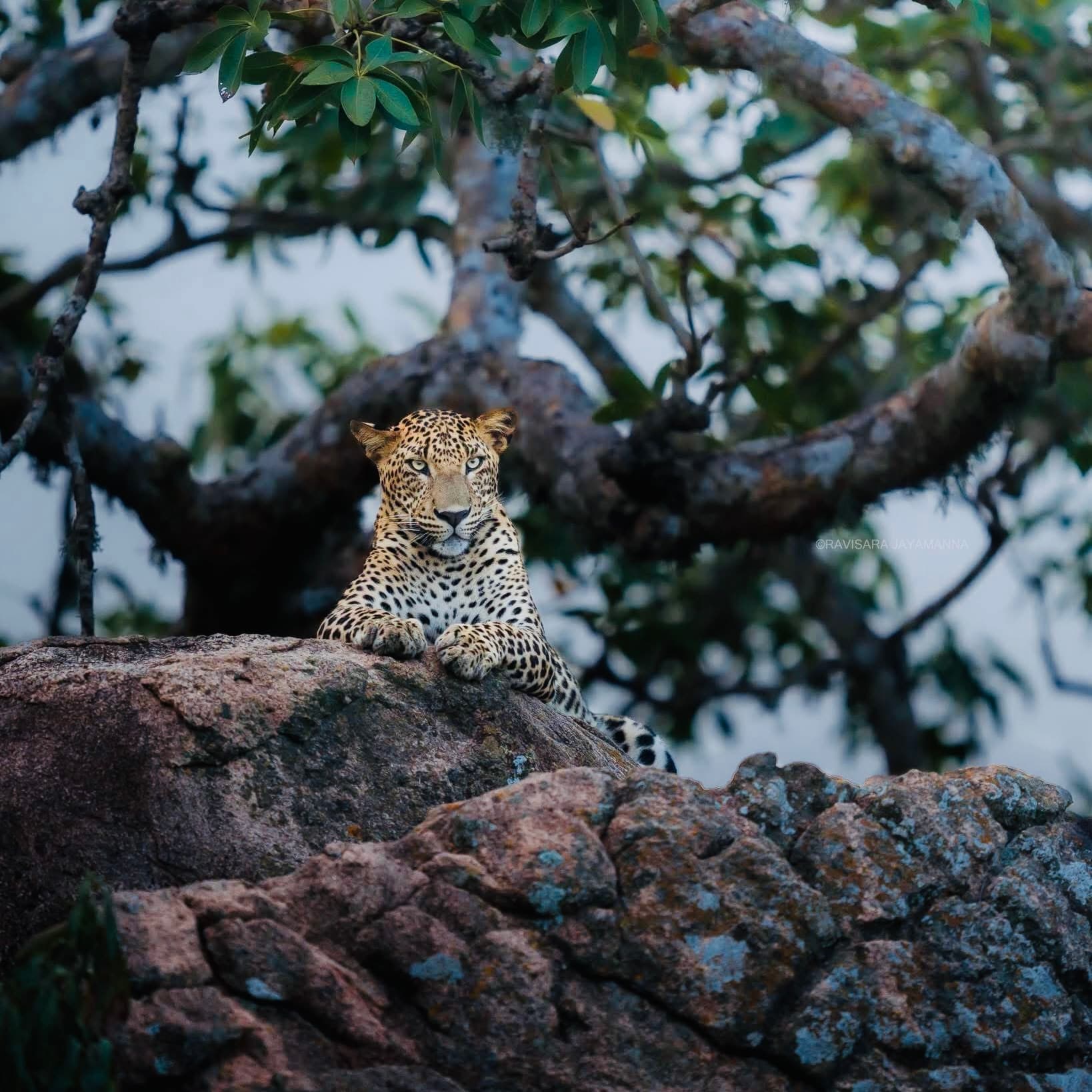
You have seen the photos. A leopard, golden in the early light, draped over a rock while the Indian Ocean shimmers in the distance behind it. You booked the trip partly for this. And now — 48 hours before your safari — you are in a hostel in Ella or a hotel in Mirissa frantically Googling questions you should have answered two weeks ago.
How many days should I spend at Yala? Morning safari or afternoon safari — which is better? Half-day or full-day — is it worth the extra money? How do I know if my guide is actually good? What are the real chances of seeing a leopard? Is this all going to be ruined by 50 jeeps following the same animal?
These are the exact questions travelers from Germany, the UK, the US, Finland, and Australia are posting on travel forums in 2026 — sometimes the night before their safari. This post answers all of them, directly, honestly, and in the order that matters.
Question 1: How Many Days Should I Spend at Yala?
This is the single most debated question in every Yala travel forum, and the answer is more nuanced than most guides admit.
The Honest One-Night Answer (The Most Popular Choice)
For the vast majority of first-time visitors, one night in Yala — or in the nearby town of Tissamaharama — is the sweet spot. The ideal itinerary looks like this:
* Arrive in Tissamaharama by lunchtime (from Ella, Mirissa, or Galle)
* Afternoon safari: 3:00 PM – 6:00 PM (or 2:00 PM – 6:00 PM for full afternoon coverage)
* Stay overnight near the park
* Morning safari: 6:00 AM – 9:00 AM (or 6:00 AM – 12:00 PM for a half-day)
* Depart by midday
This one-night approach gives you both the morning and afternoon golden windows — the two periods when leopards, elephants, and sloth bears are most reliably active. It is, statistically, the highest-yield approach for wildlife sightings per day spent.
The Two-Night Argument (For the Serious Wildlife Traveler)
If wildlife photography or wildlife watching is the primary purpose of your Sri Lanka trip, two nights is genuinely rewarding. It allows you to do three or four separate game drives — each one producing completely different sightings, different blocks, and different atmospheric conditions. Real wildlife enthusiasts almost always wish they had stayed longer. Budget and itinerary constraints are the only reasons not to.
One Night Only: Is It Enough?
Yes — but only if you do both a morning and an afternoon drive. Travelers who do a single half-day and expect to have "done Yala" are the ones who leave disappointed. The park is not a zoo where guaranteed animals wait behind every corner. Wildlife requires time, positioning, and patience. Two drives dramatically improve your odds.
Bottom Line: One night, two safaris (afternoon then morning). That is the minimum worth doing. Two nights if wildlife is your priority.
Question 2: Morning Safari or Afternoon Safari — Which is Better?
This is the second most Googled Yala question, and almost every source gives you a vague non-answer. Here is the direct version.
Morning Safari (6:00 AM – 9:00 AM or 6:00 AM – 12:00 PM)
The morning window is statistically the best time for leopard sightings. Here is why:
Leopards are ambush predators built for the cool hours. They are most active in the first 90 minutes after sunrise — hunting, moving between territories, and visiting waterholes before the temperature forces them into shade. If you want to see a leopard moving, the morning is your window.
There is also a practical advantage: block 1's jeep population builds steadily after 7:30 AM. The very first vehicles through the gate at 6:00 AM have a significant advantage — the tracks are quiet, the animals are undisturbed, and the light is extraordinary for photography (low angle, warm gold tones).
The catch: You need to be at the park gate by 5:30–5:45 AM at the absolute latest. That means a 4:30 AM hotel pickup from Tissamaharama is not optional — it is the minimum. Any operator who offers a relaxed 6 AM pickup has already cost you the best 90 minutes of the drive.
Afternoon Safari (2:00 PM – 6:00 PM or 3:00 PM – 6:00 PM)
The afternoon session catches the second golden window — the hour before sunset, when temperatures drop and leopards, bears, and elephants become active again after resting through the midday heat.
Afternoon drives have their own advantages: the crowds from the morning session have thinned out by mid-afternoon, and the late-day light turns the open scrub landscape a spectacular amber. Crocodile sightings at waterholes are frequent, and elephant herds moving toward water sources just before dusk are a spectacle in their own right.
The afternoon is also the better window for sloth bear sightings — particularly during the Palu fruit season from May to August, when bears emerge to climb trees at the edges of open clearings in the late afternoon heat.
The Verdict
If you can only choose one: Morning. The leopard-sighting probability in the first golden hour after sunrise in Block 1 is higher than at any other time.
If you can do both: Do both. The combination of an afternoon drive (arriving, checking in, sensing the park) followed by a morning drive (peak activity, prime light) is the definitive Yala experience. This is why the one-night, two-drive itinerary above is recommended so strongly.
Question 3: Half-Day Safari or Full-Day Safari — Is the Full Day Worth It?
Forum data from TripAdvisor and travel communities shows this is one of the most hotly debated Yala decisions in 2026. Traveler reviews consistently report one thing: people who chose the full-day safari did not regret it. People who chose the half-day often wished they had gone longer.
Here is why:
The Case for Half-Day
A half-day (approximately 3–4 hours) captures either the morning or afternoon golden window completely. For a visitor with limited time or budget, a quality half-day safari with a skilled guide can deliver leopard sightings, elephant encounters, crocodiles, peacocks, and the broader magic of Yala without the full-day investment. It is the minimum effective dose.
The Case for Full-Day
The full-day safari — typically 6:00 AM to 6:00 PM — does something that no half-day can replicate: it catches both golden windows. Even when the midday hours between 10:00 AM and 2:00 PM are quiet (which they often are), experienced guides use this time to explore quieter zones, track fresh pugmarks, and position you strategically for the afternoon session.
Statistically, full-day safari participants have significantly higher rates of leopard sightings — simply because they are present for more of the high-probability windows. Real traveler reviews from 2025 and 2026 consistently echo the same sentiment:
"I thought the half-day would be enough. It wasn't. We did the full day and I'm so glad we did."
Full-day safaris also tend to include Block 5 — the quieter, forested northwestern section of the park — which half-day visitors rarely reach. Block 5 offers elephant encounters in complete solitude, ancient-feeling forest canopy, and occasional leopard sightings without the Block 1 jeep traffic. It is the park's most underrated experience.
The Honest Middle Ground
If you are doing two separate drives (afternoon + morning over one overnight stay), you are effectively capturing the same high-value windows as a full-day safari, but with a rest in between. This is arguably the optimal approach for combining wildlife yield with comfort.
Bottom Line: If you are doing one single drive — go full-day. If you are doing two separate drives over one night — morning half-day plus afternoon half-day is essentially equivalent and often more comfortable.
Question 4: How Do I Know If My Safari Guide Is Actually Good?
This is the question nobody asks until they are standing next to a jeep wondering why their driver is already staring at his phone. In 2026, the quality gap between Yala safari operators is significant, and choosing the wrong one genuinely ruins the experience.
Green Flags: Signs of an Excellent Guide
They ask about your priorities before starting. A professional driver begins the day by asking what you are most hoping to see — leopard? sloth bear? birds? elephants? — and adjusts the route accordingly. Real traveler reviews consistently mention this as the mark of a great experience.
They know the alarm calls. The sambar deer's barking alarm and the peacock's screaming alert are the two most reliable indicators that a leopard is nearby. An experienced guide responds to these sounds immediately and repositionally. If your driver does not seem to notice them, they are not tracking wildlife — they are just driving.
They maintain a respectful distance. The single most common complaint in 2025–2026 Yala reviews is drivers who chase animals aggressively or crowd sightings. A genuinely skilled guide is confident enough in their ability to read animal behavior that they do not need to rush. They position the jeep ahead of where an animal is moving — not behind it in a pack of 30 other vehicles.
They speak enough English to explain what you are seeing. A guide who can tell you why the spotted deer are alarm-calling, what the leopard's body language means, and which bird is singing in the distance elevates the entire experience from a sighting to an education.
They have genuine reviews. In 2026, detailed personal TripAdvisor reviews from named travelers (especially from Europe, Germany, and Scandinavia — the heaviest Yala user base) are the most reliable indicator of guide quality. Look for reviews that mention specific animals seen, specific behaviours the guide explained, and specific names.
Red Flags: Signs of a Poor Operator
* They guarantee a leopard sighting (no ethical guide ever does this)
* They quote a price that excludes the government park entry fee
* Their jeep has no radio communication (skilled guides use radios to share sighting information responsibly)
* They pick you up significantly later than 5:30 AM for a "morning safari"
* They offer to "go off-road" for a better view (this is illegal and harmful)
Question 5: What Are the Real Chances of Seeing a Leopard in 2026?
Everyone wants to know this. Here is the honest data.
Block 1 of Yala National Park holds an estimated 70–90 resident leopards — one of the highest densities on Earth. On any given game drive in Block 1 during the dry season (February–June), your probability of a sighting is estimated at 30%–50%.
That means on the best single drive, you still have roughly a coin-flip chance of not seeing one. This is why two drives — and ideally two separate days — are recommended by every experienced guide.
The factors that most reliably increase your odds:
Timing: February to June (dry season, waterhole concentration). The specific window of March to May is considered peak leopard visibility by most experienced guides.
Drive duration: More time inside the park equals more probability. Simple mathematics.
Guide quality: The most skilled guides at Yala have track records of 8+ sightings over two consecutive days, while inexperienced drivers in the same park on the same day report zero. The guide is often the determining factor.
Block choice: Block 1 for highest density. Block 5 for better quality sightings with far fewer competing vehicles.
Weather: Dry, clear conditions favor sightings. Heavy rain causes leopards to shelter and reduces visibility dramatically. The period immediately after rain — as the sun emerges and cats emerge to dry themselves on warm rocks — is surprisingly productive.
Question 6: Will the Jeep Traffic Ruin My Safari?
This is the real fear behind every "Is Yala worth it?" search. And it deserves a direct answer.
Yes, jeep traffic in Block 1 during peak season is genuinely problematic. During certain months, 200+ jeeps can enter on a single day. When a leopard is spotted, radio networks cause 30–50 vehicles to converge within minutes. The experience of watching a magnificent wild cat surrounded by a wall of idling jeeps and clicking cameras is not what anyone imagines.
But it is manageable, and here is how:
Be at the gate at 5:15–5:30 AM. The first 45 minutes after gate opening belong to the early risers. The roads are quiet, the animals are undisturbed, and the photographs are extraordinary.
Let Block 5 (Weheragala/Galge) be part of your drive. Ask your guide specifically to include time in Block 5. The jeep count here rarely exceeds 5–10 vehicles. Elephant encounters feel wild and intimate in a way Block 1 rarely can in peak season.
Travel in the shoulder season. March, April, and early June offer excellent dry-season conditions with noticeably lighter traffic than July–August school holiday crowds.
Accept the jeep traffic as part of the Yala story. The wildlife has adapted. Leopards in Yala are remarkably habituated to vehicle presence — far more so than in most African parks. A leopard sitting 30 metres from 50 jeeps and yawning with complete indifference is, in its own way, one of the most extraordinary wildlife encounters on Earth.
Question 7: What Do I Actually See at Yala? (The Real Day-by-Day Picture)
This is what a typical, well-planned one-night Yala visit looks like in 2026 — based on real traveler accounts.
Arrival Day (Afternoon Safari)
You arrive in Tissamaharama at midday. Your accommodation handles the last-minute jeep booking (or you pre-booked). At 2:00–3:00 PM you enter the park.
Within the first 20 minutes: spotted deer watching from the roadside, peacocks crossing the track, painted storks standing motionless in a lagoon. A mugger crocodile slides silently into the water from a mudbank.
By 4:00 PM: Your driver has received a radio alert. A leopard has been spotted near a dry waterhole. You are the 4th jeep to arrive — close enough for a clear view. The animal moves through the scrub, pauses, observes you with bored confidence, and disappears.
At 5:30 PM: A herd of twelve elephants is crossing the road ahead, calves tucked between the adults. The golden sunset light turns the dust into something from a nature documentary.
You return to your hotel at 6:15 PM with a memory that you will describe to people for years.
Morning Safari Day
Your alarm sounds at 4:00 AM. You are not pleased about this.
By 5:00 AM you are in the jeep. By 5:30 AM you are first in the queue at the gate. When the gate opens at 6:00 AM you are moving.
The park at sunrise is a completely different world. Cool air, long shadows, and a silence that makes sound amplified and important. Your driver cuts the engine at a waterhole and you wait, watching.
A sloth bear emerges from the tree line at the waterhole's edge. It moves with that distinctive shuffling, pigeon-toed gait — oblivious to you, focused entirely on the water. You watch for six minutes before it disappears back into the forest.
By 8:30 AM you have seen three more elephant herds, a family of grey langur monkeys, a crested serpent eagle perched at eye level on a dead branch, and a second leopard — a young male lying on a sun-warmed rock 40 metres off the track.
You leave the park at 9:30 AM feeling like you have been inside something ancient and extraordinary.
That is Yala at its best. It is absolutely achievable. And it rewards preparation.
Your Pre-Safari Checklist: Everything to Organise Before You Go
Booking (At Least 24–48 Hours Ahead in Peak Season) Book through an SLTDA-licensed operator. Confirm that the price includes the government park entry ticket and all taxes — not just the jeep fee. Get the final all-inclusive price in writing before agreeing.
Clothing Earth tones — khaki, olive, beige, stone. No white or bright colours. A light long-sleeved shirt for sun and insects. A thin fleece or light jacket for early-morning drives (the pre-dawn air is genuinely cool in the dry season).
Gear Binoculars (10×42 magnification). Camera with telephoto capability if possible — 100mm minimum, 200–400mm preferred. Sunscreen SPF 50+. Wide-brimmed hat. Reusable water bottle (Yala is a plastic-free zone).
Passport The park requires a valid passport or national ID for foreign visitors at the gate. Do not forget this.
Pickup Time If your guide quotes a pickup later than 5:00 AM for a morning safari, push back. The first hour in the park is irreplaceable.
The One Thing No One Tells First-Time Visitors About Yala
The best moment of your safari will probably not be the leopard.
It will be something unexpected — a sloth bear climbing a Palu tree with the athletic grace of an animal twice its weight, or a bull elephant standing alone in the shallows of a lagoon at dusk, or the moment your driver cuts the engine in the deep forest of Block 5 and you realise you cannot hear a single human sound.
Yala is not a wildlife show with guaranteed performances. It is a living ecosystem — chaotic, ancient, breathtaking, and occasionally humbling in its refusal to perform on schedule. The visitors who leave most moved are always the ones who arrived ready for anything.
Arrive ready for anything.
Ready to see this in real life?
Book your Yala safari today and experience the magic firsthand.
Explore Packages