
Your Perfect Yala National Park Safari The Complete Day-by-Day Experience Guide 2026
The complete day-by-day experience guide to a perfect Yala National Park safari in 2026 every hour from arrival to departure, what to do, what to expect, when to sleep, when to be at the gate, and how to make every moment count.
The Safari That Rewards Perfect Planning
Yala National Park is Sri Lanka's most famous wildlife sanctuary and offers one of the best chances in the world to see leopards in their natural habitat. But knowing this is not enough. Knowing how to experience it — hour by hour, decision by decision, from the moment your driver arrives at your guesthouse before dawn to the moment you drive back through the gate having seen more extraordinary wildlife than you imagined possible — is what separates a good Yala safari from an unforgettable one.
In 2026, search interest in Yala has spiked by 45%, driven by its global reputation for high-density leopard sightings. Yala Block 1 offers a 30–50% sighting probability on any given game drive — the highest in the world.
This guide takes you through the perfect Yala safari not as a checklist, but as a lived experience. Every hour. Every decision. Every moment that matters. The day before, the morning of, the afternoon, the evening, the dawn drive, and the departure.
Read this. Then go live it.
The Day Before You Arrive: Setting Yourself Up to Win
The perfect Yala safari begins not at the gate but the evening before you arrive in Tissamaharama.
What to Book Before You Leave Your Previous Destination
Your safari operator: Avoid hotel middlemen and book directly with experienced local jeep drivers near Yala National Park — flexible pickup, fair pricing, and no advance payment required. The operator who is recommended by your Tissamaharama guesthouse host by name not the online aggregator, not the generic booking platform — is the one to call. They know the driver, they know the current conditions, and they have a relationship to protect.
When you call or WhatsApp your operator, confirm these five things:
1. The driver's full name
2. The pickup time — you want 4:30 AM, not 5:30 AM
3. The all-inclusive total price including government park entry fee
4. Payment timing — after the safari, not before
5. That the route will include Block 5 as well as Block 1
Your accommodation: The guesthouse in Tissamaharama that can prepare a take-away breakfast before 4:30 AM, has a reliable host who coordinates safari logistics, and is within 25 minutes of the Palatupana Gate. Budget: USD 25–50 per night including breakfast.
The Evening Arrival Checklist
Arrive in Tissamaharama no later than 6:00 PM. This gives you time to:
* Check in and confirm your room is acceptable
* Meet your guesthouse host and confirm safari details
* Eat a proper dinner — the next meal opportunity is the midday rest area
* Visit the local pharmacy if you need sunscreen or any forgotten supplies
* Pack your daypack completely: passport (non-negotiable at the gate), camera (100% charged), binoculars, reusable water bottle, SPF 50+ sunscreen, wide-brimmed hat, light fleece for the pre-dawn cold, snacks for the midday rest
* Set two alarms — 3:45 AM and 3:55 AM
* Confirm the 4:30 AM pickup with your driver by WhatsApp
* In bed by 9:00 PM
The 9:00 PM bedtime is not a suggestion. It is the architecture of the morning. Seven and a half hours of sleep between 9:00 PM and 4:30 AM means arriving at the gate genuinely alert rather than functioning on adrenaline alone.
Day One: Arrival and Afternoon Safari
11:00 AM – 1:00 PM: Arrival in Tissamaharama
You are arriving from Ella (2.5 hours via Wellawaya), Mirissa (90 minutes west along the coast), or Colombo (5.5–6 hours via Southern Expressway). The drive into Tissamaharama from any direction involves a landscape transition that signals you are entering something different.
From Ella: the road descends from cool green mountains into flat, hot, red-laterite dry zone. The temperature rises 10°C over 100 kilometres. The vegetation thins. The air smells of warm dust and grass. You are in leopard country.
Check in to your accommodation by early afternoon. Eat something substantial — this is your last proper meal before tonight's optional Kataragama excursion. Rest for 90 minutes if you have driven from Ella or further.
2:00 PM: Pre-Safari Preparation
Change into your safari clothes: neutral colours only. Wear neutral-colored clothing — khaki, green, brown — and layers as mornings can be cool but get hot quickly. Avoid bright colors and perfumes.
Apply SPF 50+ sunscreen now, even for the afternoon drive — the equatorial UV remains high until 5:00 PM. Fill your reusable water bottle completely. Mount the camera beanbag in the jeep and check your settings. Brief your driver on your priorities.
2:30 PM – 6:00 PM: Afternoon Safari — The Orientation Drive
This is your first drive. Not your most important one — that is tomorrow morning — but genuinely extraordinary in its own right.
Evening safari from 2:30 PM: good for elephant herds and bird activity — golden hour and warm sunset glow — better for landscape photography.
What to focus on during the afternoon drive:
The first hour (2:30–4:00 PM): This is the park's quiet mid-afternoon period. Use it to orient. Learn the track network your driver is navigating. Identify the waterholes. Watch where the animals are in relation to the vegetation. Your eye is calibrating from urban visual patterns to wildlife detection patterns — this takes approximately 45 minutes.
The golden hour (4:00–6:00 PM): Everything changes. The light turns amber and directional. The temperature drops five degrees in 30 minutes. The leopards become active as the granite inselbergs they rested on during the midday heat begin to cool. Elephants start moving toward evening water. The painted storks gather at the lagoon margins.
Dawn or dusk is the perfect time to photograph leopards — you can find them lurking near waterholes with slender necks extended, eyes alert, and golden skin with black rosettes glowing. Best time of day: 6:00–9:00 AM and 4:00–6:00 PM.
The lepard alert: Listen for the sambar deer's bark and the peacock's alarm scream — both are reliable signals that a leopard is nearby. When your driver cuts the engine suddenly and looks at the tree line without explanation — something has just changed. Stay very still. Look where they are looking.
Exit: 6:00 PM. You have 15 minutes before the gate closes. The drive back through the buffer zone in the last of the day's light occasionally produces elephant encounters at the road edge — animals crossing between park and feeding grounds in the darkness.
6:15 PM – 6:30 PM: Return to Accommodation
Brief debrief with your driver: what they saw, what signs they read, what tomorrow's route will target based on today's intelligence. This conversation is productive — a good driver uses the afternoon drive to recalibrate tomorrow morning's approach.
Optional: 7:00 PM – Kataragama Evening Puja
Thirty minutes east of Tissamaharama, the sacred pilgrimage city of Kataragama hosts an evening puja ceremony that begins approximately 6:30–7:00 PM. Fire-walking, ritual drumming, incense clouds, temple elephants, and 2,000 years of unbroken devotion — one of the most atmospheric cultural experiences in southern Sri Lanka.
For visitors who have the energy, Kataragama is the perfect complement to the wildlife afternoon. Return by 9:00 PM.
9:00 PM: Sleep
No exceptions. No late-night review of photographs. The alarm is in five hours and 45 minutes. Sleep now.
Day Two: The Dawn Drive — The Morning That Defines Everything
3:45 AM: The First Alarm
Get up immediately. Do not negotiate. This is the rule that separates the visitors who experience Yala's finest hour from those who miss it.
The specific quality of 3:45 AM in Tissamaharama's dry zone: complete darkness, frogs calling from somewhere near the drainage channels, the particular cool that accumulates on dry-zone nights before the heat builds again. Put on the fleece. This is correct.
4:00 AM: Pack and Prepare
The daypack checklist:
* Passport (mandatory at gate — you put it in here last night)
* Camera + all charged batteries
* Reusable water bottle (filled)
* Sunscreen (SPF 50+ — apply now, 30 minutes before the jeep arrives)
* Hat
* Binoculars
* Snacks
Eat something small if your guesthouse has prepared it. Not a full meal — adrenaline handles the caloric needs of the morning drive adequately. A banana, a piece of pol roti, a hopper if available.
4:30 AM: The Jeep Arrives
Leopards are most active during the "Golden Hours" — the first 90 minutes after sunrise and the last hour before sunset. If your driver isn't at the gate by 5:15 AM, you are already behind the curve.
Your driver arrives at 4:30 AM. They have been awake since 3:30. In the dark, the jeep looks larger than it did yesterday afternoon. Mount the beanbag on the door frame. Set the camera to: RAW format, Continuous AF with animal eye detection if available, burst mode at maximum frame rate, Auto ISO with a ceiling of 6400 for the pre-dawn window.
The driver is quiet. This is correct. Nothing needs to be said.
4:30 AM – 5:15 AM: The Drive to the Gate
Twenty-five minutes through Tissamaharama's sleeping streets and then the Palatupana road. The headlights illuminate the red laterite edges. Occasional spotted deer freeze in the beam — their eyes catching the light, then releasing it as the jeep passes.
Look at the sky above the jeep. In the dry-zone darkness of southern Sri Lanka, without light pollution for fifteen kilometres in any direction, the Milky Way is visible. Venus sits on the eastern horizon. The park is already there, already active, already full of animals completing their night's work. You are about to enter it.
5:15 AM: At the Gate
Count the jeeps ahead of you in the queue. If you are among the first fifteen, you are in excellent position. Twelve jeeps at 5:15 AM means you will be vehicle number three through the gate when it opens at 6:00 AM. Vehicle three has the finest first 45 minutes of the entire morning.
The 45 minutes between 5:15 AM and 6:00 AM at the gate are their own experience. Engine off. Silence. The park is audible beyond the barrier — the first bird calls beginning in the canopy above the gate fence. The sound of the nocturnal park completing its night.
6:00 AM: The Gate Opens
The barrier rises. Twelve engines ignite simultaneously. The first vehicle moves.
You are in Yala National Park. It is 6:00 AM. The light is extraordinary — pre-sunrise blue transitioning to the first gold of the morning. The temperature is still cool. The tracks are quiet. The alarm calls of the overnight are just completing.
Your driver cuts the engine at the first junction. You are listening.
6:00 AM – 7:30 AM: The Peak Tracking Window
This 90-minute window is Yala's finest — the intersection of maximum leopard activity, minimum vehicle competition, and maximum light quality.
What your driver is doing simultaneously:
* Listening for the sambar deer's alarm bark (single sharp note, repeating — predator nearby)
* Watching for langur monkeys in the canopy (if they cascade alarm calls downward, something is on the forest floor below)
* Reading the laterite track surface for fresh pugmarks
* Scanning every granite inselberg systematically for horizontal shapes
* Monitoring the wind direction relative to likely leopard positions
This is not passive driving. It is active, multi-layered tracking. The primary reason travelers flock to Yala is the sheer density of its leopard population — research indicates the concentration of big cats in the Ruhuna sector is among the highest in the world, making sightings a common occurrence rather than a rare fluke.
The sighting: When the engine cuts for the third time and stays cut, something is there. The driver's arm extends toward a specific point. You raise the binoculars. For one full second, nothing resolves — just the texture of granite and shadow and dry grass. Then your brain assembles the pattern from the visual noise. Rosettes. Fur. The curve of a spine. The flick of a tail.
A leopard.
The protocol for the next twenty minutes: do not speak. Do not move suddenly. Let the camera do its work at burst mode. Then put the camera down and simply look. The creature on the rock is the world's most visible wild leopard, in the finest light of the day, at a distance close enough to see the individual whiskers. Nothing prepares you for the actual scale and proximity of this encounter.
7:30 AM – 9:30 AM: The Waterhole Hours
The sun is up and golden. The temperature is climbing. The park's animals are moving toward water.
Morning safari from 6:00 AM: best for leopard sightings as they're active after night — cool and crisp morning light.
This second window of the morning produces the waterhole spectacles that no amount of research quite prepares you for. Twenty elephants at a shrinking dry-season pool. Calves learning to drink. A dominant bull moving through the herd with the authority of the apex mammal. Painted storks working the shallows six metres from the crocodile that is not, right now, their problem.
At a productive waterhole, ask your driver to cut the engine and wait. Not five minutes — fifteen. Not fifteen — twenty. The wildlife that appears in the twentieth minute of a patient wait is the wildlife that has not been alarmed by arriving vehicles. It approaches naturally. It behaves naturally. It is the finest observation available at Yala.
9:30 AM – 10:00 AM: Sithulpawwa and the Coastal Zone
Your driver routes toward Sithulpawwa Rock Temple for the final 30 minutes of the morning drive. A 15-minute climb from the jeep track reaches ancient cave shrines and rock-cut dagobas with 360-degree views over the entire park. The Indian Ocean visible on the southern horizon. The scrub spreading to the north. A raptor riding thermals at eye level.
Then to Patanangala beach — where the jungle meets the ocean, a wild Indian Ocean shoreline inside the wildlife zone. This is where, on the finest mornings, leopard pugmarks are pressed into the wet sand above the high-tide line. You will not see the leopard here. But the pugmarks are evidence of something that crossed this beach before you arrived, and they are their own kind of extraordinary.
10:00 AM: Exit Gate
The mandatory midday closure begins. Every vehicle in the park must exit by approximately 10:00 AM.
10:30 AM – 2:00 PM: The Midday Rest
This is not dead time. This is recovery and preparation for the afternoon's second golden hour.
What to do during the midday rest:
10:30–11:30 AM: Breakfast at your accommodation. The finest meal of the trip — not because of what is served but because of what preceded it. Review the morning's photographs while eating. Identify the ten best frames. Delete the obvious failures. Write three sentences about the leopard encounter while the details are vivid.
11:30 AM–12:30 PM: Sleep. Not optional. The afternoon drive is three hours away and requires the same quality of attention as the morning. Sleep restores this.
12:30–1:30 PM: Optional cultural activity. The Tissamaharama Raja Maha Vihara stupa — a 2,000-year-old white dagoba in the town centre, free entry — is a 20-minute walk from most accommodation. Visiting it during the midday rest adds depth to the day that the wildlife alone cannot provide.
1:30–2:00 PM: Prepare for the afternoon drive. Refill the water bottle. Reapply sunscreen. The second safari pickup is at 2:00–2:30 PM.
2:30 PM – 6:00 PM: Afternoon Safari — Block 5
This afternoon, the route goes to Block 5.
Savvy travelers in 2026 are increasingly opting for safaris in Block 5 or even Block 3. While the leopard density in these northern blocks is slightly lower, the experience is far more tranquil and private. You are much more likely to have a sighting all to yourself, allowing for a deeper connection with the natural environment without the noise of dozens of idling engines.
The drive to Block 5 via the Galge Gate takes 45 minutes from Tissamaharama. The landscape changes immediately upon entry — from Block 1's open scrub and granite to tall forest canopy, riverine woodland, and the sound of running water.
3:00 PM – 5:00 PM: Block 5 Forest Exploration
The specific experience of Block 5 in the afternoon: three jeeps visible on the entire circuit. The engine cuts at a river crossing and the silence is profound — just water, birds, and the rustling of something moving in the undergrowth upstream.
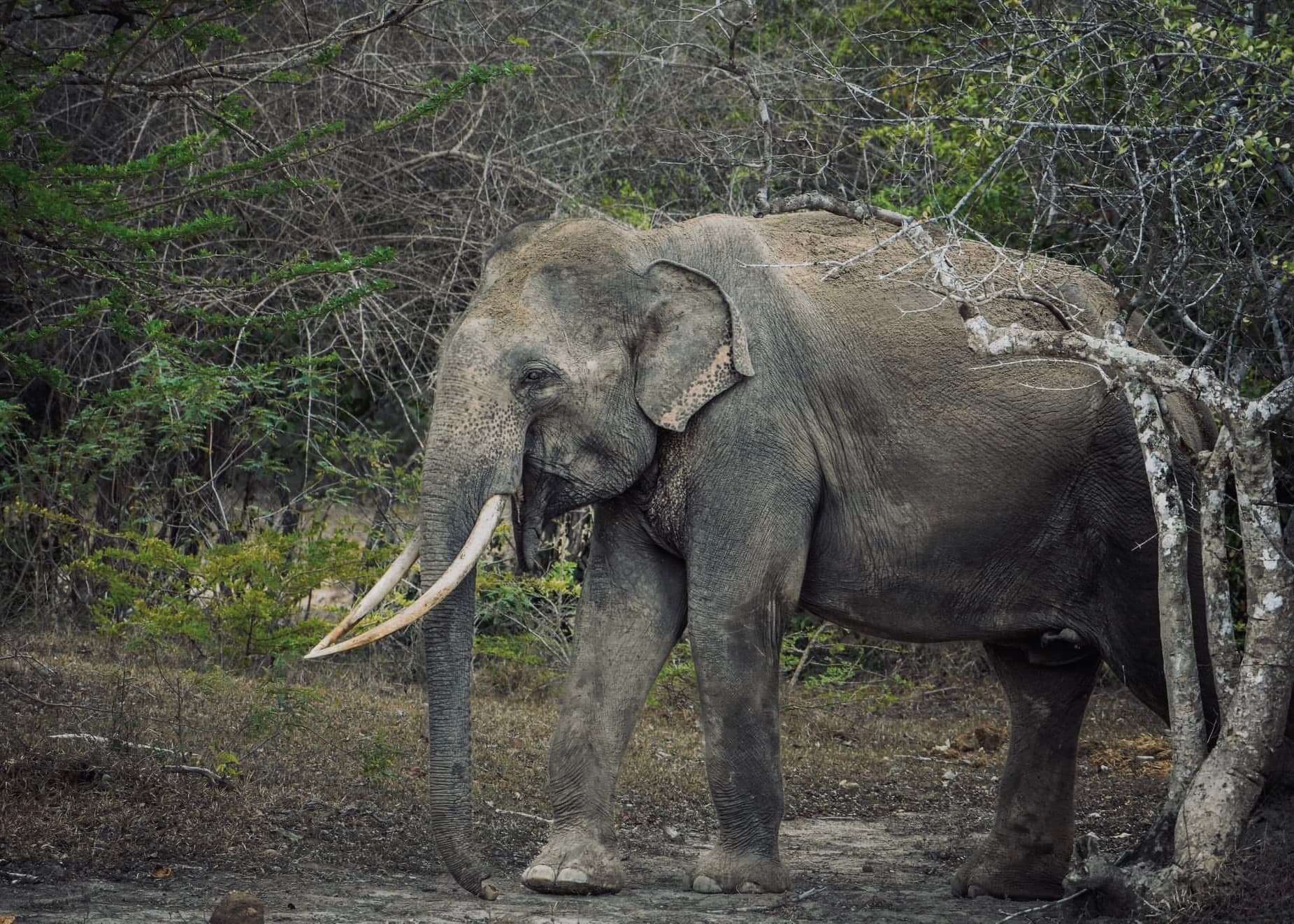
Elephant herds in Block 5 are larger than Block 1 — groups of 25–40 animals at the Weheragala Reservoir in the late afternoon, with the amber light of the approaching golden hour illuminating them from the west. This is Yala's finest elephant spectacle and one of the least photographed.
5:00–6:00 PM: The Final Golden Hour
The last 30 minutes of park time are often the most magical and quietest — many jeeps head for the exit at 5:30 PM.
Stay until the absolute final minute of the 6:00 PM exit. The 5:30–6:00 PM window, after most vehicles have left, is Yala at its most extraordinary — the fewest jeeps of the entire day, the finest light, the animals at their most active. A leopard encounter in this window, with one other jeep, in golden light, is the finest single encounter available at Yala. It happens to the visitors who stay.
6:00 PM: Second Exit
The drive back through the buffer zone at dusk. Elephants crossing the road. The air cooling. The park sounds changing from daytime to nocturnal. You are leaving for the second time today having experienced both golden hours and one of the world's rarest wildlife encounters.
6:30 PM – 9:00 PM: The Final Evening
Tonight is different from last night. Last night was anticipation. Tonight is processing.
Eat dinner at the guesthouse or a local restaurant. The rice and curry in Tissamaharama at USD 2–3 per plate, eaten at a plastic table after two extraordinary safari drives, is one of the finest meals of the entire Sri Lanka trip. Not because of the food. Because of the context.
Review the day's photographs. The leopard at 6:35 AM. The elephant calf at 8:15 AM. The Block 5 river crossing with the massive tusker bull in the golden afternoon light. Write them down before they blur.
Sleep well.
Optional Day Three: The Block 1 Morning Knowledge Drive
For visitors staying two nights: this third drive — the morning of Day 3 — is consistently described by experienced Yala visitors as the finest drive of the entire stay.
Here is why: by Day 3 morning, your driver knows your preferences. You know the park's geography. Your eye has calibrated completely — you spot the pygmy sightings that you missed on Day 1. The guide knows which waterhole produced the elephant calf yesterday and whether conditions suggest it will be repeated. The accumulated intelligence of two days' observation produces a drive that feels less like searching and more like visiting.
Morning safari from 6:00 AM: best for leopard sightings — knowledgeable guides enhance the experience with facts, tracking skills, and safety.
The Day 3 drive is the one where many visitors see their finest encounter of the entire stay — the second or third leopard sighting, the one where they are relaxed enough to simply observe rather than frantically photograph. The knowledge that this is the last drive adds its own specific quality of attention.
The Departure: What You Carry Home
After the final morning drive, the checkout, the drive away from Tissamaharama toward Ella or Mirissa or wherever the circuit takes you next:
There is something specific that Yala does to the people who experience it correctly. It recalibrates the relationship between attention and experience. For two days, the finest moments have been the ones that required the most focused attention — the alarm call that revealed the leopard before it was visible, the waterhole patience that produced the elephant family in perfect light, the Block 5 silence that made the river crossing feel genuinely wild.
The park is not the leopard. The park is the state of complete attention that the leopard requires.
You are carrying that state home with you. It changes things — in small, measurable ways — for longer than the photographs suggest.
This is what was worth the 3:45 AM alarm. This is what was worth the USD 85 per person per drive. This is what Yala National Park actually is.
The Perfect Yala Safari: Complete Time Schedule
Time Activity Why It Matters
Day Before — 6:00 PM Arrive Tissamaharama, confirm bookings Sets up the entire experience
Day Before — 9:00 PM Sleep Non-negotiable
Day 1 — 3:45 AM Wake up Do not negotiate
Day 1 — 4:30 AM Jeep pickup Every minute counts
Day 1 — 5:15 AM At Palatupana Gate First 15 vehicles = 45 min head start
Day 1 — 6:00 AM Gate opens The finest wildlife window begins
Day 1 — 6:00–7:30 AM Peak tracking window Maximum leopard activity
Day 1 — 7:30–9:30 AM Waterhole hours Elephants, birds, golden light
Day 1 — 9:30–10:00 AM Sithulpawwa + coast Cultural and landscape depth
Day 1 — 10:00 AM Exit gate Mandatory midday closure
Day 1 — 10:30–2:00 PM Rest period Breakfast, sleep, optional stupa visit
Day 1 — 2:30 PM Afternoon pickup Block 5 route
Day 1 — 2:30–6:00 PM Block 5 afternoon Solitude, elephants, golden hour
Day 1 — 6:00 PM Exit — stay until last minute Finest light, fewest jeeps
Day 1 — 9:00 PM Sleep Tomorrow morning is the same
Day 2 — 6:00–10:00 AM Morning knowledge drive Finest drive of the stay
Day 2 — 10:30 AM Depart Tissamaharama Continue circuit
The Honest Final Word
Yala National Park is Sri Lanka's most famous wildlife sanctuary and offers one of the best chances in the world to see leopards in their natural habitat. But the safari that deserves this description — the one that actually delivers the experience that makes people return — requires specific planning, specific timing, and the willingness to set the alarm for 3:45 AM without resentment.
The visitors who experience Yala incorrectly — who arrive late, book the cheapest operator, pay upfront, and spend the morning following radio alerts into jeep jams — often come back with photographs and frustrated reviews.
The visitors who experience Yala correctly — two nights, four drives, 5:15 AM gate, Block 5 afternoon, named guide with verified tracking skills — come back saying it was one of the finest experiences of their lives.
The park is identical for both groups. The preparation is not.
This guide is the preparation.
Now go live the experience.
Last updated: May 2026 | All times, costs, and practical information verified against current 2026 conditions at Yala National Park, Sri Lanka.
Ready to see this in real life?
Book your Yala safari today and experience the magic firsthand.
Explore Packages