
No. 1 Guide to Yala National Park Safari 2026 Compare Leopard Sighting Peak Seasons & Block 5 Peace
With the highest density of leopards anywhere on the planet and a breathtaking patchwork of jungle, lagoon and coastline, Yala National Park delivers an African-style safari just a short drive from Sri Lanka's southern beaches. The park's exceptional biodiversity allows you to track the elusive Sri Lankan leopard, witness bathing elephants and scan for sloth bears, all within a single morning drive.
However, Yala's soaring popularity has created overcrowding challenges in recent years, with visitors reporting "leopard jams" and speeding jeeps. Recognizing the severity of the situation, Sri Lankan authorities have implemented new visitor caps and digital systems in 2026 to protect wildlife and enhance your experience.
This comprehensive guide answers everything you are searching for right now — from determining the absolute best month for a leopard sighting, comparing Yala vs. Udawalawe, understanding the real
90−110 cost for two people, and decoding whether you should choose Block 1 or the peaceful Block 5. Use this information to plan the best possible Yala safari this year.
Part 1 Yala at a Glance: What Makes This Park Legendary
Yala National Park, also known as Ruhuna National Park, is Sri Lanka's most visited and second‑largest wildlife reserve. It sprawls across nearly 979 square kilometers of dry monsoon forest, open grasslands, freshwater lagoons and coastal scrubland. In some remote sections, the jungle meets the Indian Ocean in long, empty stretches of beach — a surreal and unforgettable sight.
The park is best known for its population of Sri Lankan leopards (Panthera pardus kotiya), one of the highest densities recorded anywhere on Earth. Beyond the iconic spotted cats, Yala is home to large herds of Sri Lankan elephants, elusive sloth bears, mugger crocodiles, spotted deer, wild boar, jackals and more than 200 species of birds, including painted storks, peacocks and migratory waterfowl.
Access points: Most visitors enter through the main Palatupana Gate near Tissamaharama. Less‑used Katagamuwa and Galge gates provide access to quieter sections of the park. Yala lies approximately 300 kilometers from Colombo — a drive of five to six hours — and around two to three hours from the hill‑country town of Ella.
Part 2 — Best Time to Visit Yala for Leopards (Month‑by‑Month)
Search data confirms this is the #1 question on every traveler's mind. The answer depends entirely on what you hope to see and how much crowd density you are willing to tolerate.
Dry Season — February to July ★★★★★
The dry season is unequivocally the best period for a Yala safari. Water levels drop significantly during these months, forcing animals to congregate around remaining lagoons and man‑made waterholes. Vegetation thins out, dramatically improving your sightlines. Wild elephants, leopards and sloth bears become concentrated in predictable areas, making this the strongest window for wildlife visibility overall.
Peak Leopard Window — February to July ★★★★★
Most expert sources agree that February through July offers the highest leopard sighting probability anywhere in Yala. Some guides narrow the peak window further, noting that February through April is when leopards are most reliably seen on open rock outcrops shortly after dawn.
Elephant Viewing — May to September ★★★★☆
For visitors who prioritize elephants above leopards, the mid‑year window extending into September is exceptionally productive. Family herds gather at permanent water sources during the dry months, and you are likely to encounter elephants throughout your drive rather than only at scattered sightings.
Sloth Bear Season — May to August ★★★☆☆
Sloth bears are notoriously challenging to spot, but sightings peak during the palu fruit season from May to August, when bears climb ironwood trees to feed. If photographing a sloth bear is a personal goal, this narrow window is the best you will get.
Green Season — October to January ★★★☆☆
The northeast monsoon brings occasional rainfall and lush, green landscapes. During these months, wildlife becomes more dispersed, and thick vegetation makes spotting harder. That said, birdlife is exceptional, with migratory species arriving from Europe and Central Asia. If you are willing to trade perfect leopard odds for lower crowds and vivid greenery, consider traveling at this time.
Annual Park Closure — September
Yala National Park is usually closed for annual maintenance and the wildlife census during September. Always verify current schedules with the Department of Wildlife Conservation before booking flights or accommodation.
Part 3 — Yala Safari Costs 2026: Exact Breakdown
Pricing transparency is consistently one of the most searched topics about Yala. Let me break down exactly what you will pay.
Park Entrance Fee (Foreign Adults)
As of 2026, the government‑mandated entrance fee for foreign visitors is approximately
25
t
o
25to30 USD per adult, paid separately at the gate. Children aged 6 to 12 pay roughly half price, and children under six are typically free. SAARC nationals pay a reduced rate of approximately
20
t
o
20to25 per adult. Passport verification is required at the entrance.
Important note: The park entrance fee is ALWAYS paid in cash in Sri Lankan Rupees. Credit card facilities are unreliable at the entrance gates, so arrive with sufficient local currency.
Safari Jeep Hire (2026 Estimates)
You cannot enter Yala using a private vehicle. A licensed safari jeep with an experienced driver is mandatory. Jeeps typically accommodate up to six passengers. Costs vary by type:
Safari Type Approximate Cost What Is Included
Shared Jeep (Half Day) 35
–
35–60 USD per person Driver, pickup, water, binoculars (sometimes)
Private Jeep (Half Day) 40
–
40–60 USD per jeep Driver, pickup, water, privacy and flexibility
Private Jeep (Full Day) 90
–
90–150 USD per jeep Breakfast, lunch, driver, water, extended hours
Total Cost for Two People (Private Half‑Day Safari)
Your total comes to approximately
90
t
o
90to110 USD for two adults, combining the entrance fee (approx.
50
–
50–60 total for two) and private jeep hire (approx.
40
–
40–60 per jeep).
Cost comparison: A shared half‑day safari for one person typically ranges from
35
t
o
35to60 total including entrance fees — a solid budget option for solo travelers. Private jeeps are most economical when shared among small groups.
Part 4 — Yala Blocks Explained: Block 1 vs. Block 5 vs. Alternatives
Understanding Yala's block system is arguably the most important decision you will make before booking your safari. Search trends confirm that "Block 1 vs. Block 5" is one of the most common questions travelers ask after researching the park.
Block 1 — The Classic Safari (Highest Leopard Density)
Block 1 is Yala's most visited and famous section. It has the highest density of leopards, with an estimated one big cat per square kilometer. Approximately 90% of all Yala tours go to Block 1, because this is where reliable leopard sightings are most frequently reported.
Wildlife: Excellent for leopards, elephants, sloth bears and crocodiles — the full Yala experience.
Crowd level: Heavy, particularly during the peak dry season months. You will rarely be alone at a leopard sighting.
Best for: First‑time visitors, leopard‑focused travelers and anyone willing to accept crowds in exchange for the highest odds of a sighting.
Block 5 — The Peaceful Alternative (Fewer Jeeps)
Block 5 is accessed through the quieter Katagamuwa Gate. It features open landscapes, fewer jeeps and — surprisingly — still a high leopard density. Less commercialized and less rushed, Block 5 is ideal for nature lovers and photographers seeking solitude.
Wildlife: Leopards, elephants, sloth bears and abundant birdlife. While the raw number of leopard sightings per jeep may be slightly lower than Block 1, sightings are often longer and less interrupted.
Crowd level: Very low. You may be the only jeep at some sightings.
Best for: Photographers, introverted travelers, repeat visitors and anyone who associates "peace" with a quality safari.
Block 2 — The Quiet Middle Ground
Block 2 offers a mix of forest and grasslands with good elephant sightings. It is significantly less crowded than Block 1 but more accessible than the remote sections. A solid option if your primary goal is elephants and birds rather than leopards.
Lunugamvehera National Park — Yala's Secret Twin
Just three kilometers down the road from Yala's crowded gates lies Lunugamvehera National Park, an elephant migration corridor connecting Yala and Udawalawe. This lesser‑known park offers authentic, uncrowded wildlife experiences with elephants, leopards and crocodiles. Look for safari tours explicitly offering a Yala + Lunugamvehera combination.
Part 5 — Morning Safari vs. Afternoon Safari: Which Wins?
Another top search trend among foreign tourists: "Should I book a morning safari or an afternoon safari?"
Morning Safari (Approximately 5:30 AM – 10:00 AM)
Morning safaris are widely considered superior for leopard sightings. Most predators are most active during the first two to three hours of daylight, before the tropical sun forces them into shaded cover. The light during this window is also ideal for photography — soft, directional and warm. Group tours often capture their best images during the morning drive.
Pros: Higher leopard activity, excellent photography light, cooler temperatures, calmer park environment. Cons: Requires a very early start (sometimes as early as 4:00 AM hotel pickup) and can be tiring for those adjusting to the time zone.
Afternoon Safari (Approximately 2:30 PM – 6:00 PM)
Afternoon safaris start later, allow for a relaxed morning and continue until the park closes at sunset. As temperatures drop in the late afternoon, animals become more active again. Elephants often gather at waterholes during this window, and sunset creates spectacular opportunities for landscape‑wildlife combinations.
Pros: Later start time, warmer conditions, excellent for elephants and waterbirds, beautiful sunset photography. Cons: Harsher light in the early afternoon (2:30 PM – 4:00 PM) and the park can be crowded with morning and afternoon jeeps overlapping.
Expert recommendation: If you have only one day at Yala, choose a morning safari for the highest chance of seeing leopards. If you have two days, book one morning and one afternoon drive to experience the park during both windows and maximize your overall wildlife exposure.
Part 6 — Big Changes in 2026: Digital Ticketing & 300‑Vehicle Cap
In response to years of overcrowding concerns, Sri Lankan authorities have introduced major changes starting in 2026. These updates directly address the "leopard jams" and speeding jeep incidents that have frustrated visitors and threatened wildlife.
300‑Vehicle Daily Limit
The Department of Wildlife Conservation has decided to limit the number of tourist‑carrying vehicles entering Yala National Park each day. Instead of the previously chaotic system where hundreds of jeeps could crowd the same section, only 300 vehicles are now permitted daily.
Digital Ticketing System (Coming Online)
Authorities are moving to implement a unified digital ticketing platform with QR‑scanning facilities. The system will enforce specific entry time slots and hourly vehicle limits. Sri Lanka Tourism Development Authority Chairman Buddhika Hewawasam explained, "Every other park in the world works like that … you know exactly how many you can carry per day and how many you can carry per hour." A Presidential Task Force is coordinating efforts across the Wildlife Conservation Department, Forest Department and tourism authorities to finalize this system.
What These Changes Mean For You
* Advance booking is essential — you cannot count on same‑day availability, especially during the peak February–July season.
* Fewer jeeps = better views — the new 300‑vehicle daily cap reduces competition at prime sightings.
* Digital entry is coming — eventually, you will book your time slot online in advance. For now, work with a licensed operator who can secure your entry permit ahead of time.
Part 7 — Yala vs. Udawalawe: Which Safari Is Right For You?
This comparison is one of the most common searches among travelers planning a Sri Lankan wildlife itinerary. The answer depends entirely on your personal preferences.
Choose Yala National Park if: Your primary goal is seeing a Sri Lankan leopard in its natural habitat. Yala has the highest leopard density of any national park on Earth, and the thrill of tracking these elusive cats is unmatched anywhere in South Asia.
Choose Udawalawe National Park if: You want guaranteed elephant sightings in a peaceful, family‑friendly atmosphere. Udawalawe is smaller, easier to navigate and far less crowded than Yala. Elephants are present year‑round in large numbers, making it one of the most reliable places in Asia to observe wild Asian elephants calming grazing and bathing. Some travelers describe Udawalawe as "less commercialized" and significantly more relaxing than the sometimes chaotic experience of Yala Block 1.
Consider both: Many travelers combine Yala and Udawalawe on the same itinerary. Visit Yala for its dramatic leopard encounters and biodiversity, then stop at Udawalawe for guaranteed elephant sightings and quiet solitude.
Part 8 — What Animals Will You Actually See?
Yala's biodiversity is extraordinary, but setting correct expectations is essential for a satisfying experience.
Leopards: Yala is famous for its leopards for a reason. With an estimated density of one per square kilometer, the park offers the highest probability of seeing a wild leopard anywhere in the world. That said, sightings are never guaranteed. Even the most experienced drivers cannot control where wild animals choose to be on any given morning.
Elephants: Up to 350 elephants use the park and adjacent buffer zones. Large family herds and solitary bulls are regularly encountered at waterholes, especially during the dry season. Sightings are common but not guaranteed on every drive.
Sloth Bears: These shaggy, black, loping bears are one of Yala's most charismatic mammals. The park has the highest sloth bear density outside India. However, sloth bears are elusive — many visitors complete their safari without seeing one. Your best odds are during morning drives from May to August.
Mugger Crocodiles: Abundant in the park's lagoons and waterholes, mugger crocodiles are a reliable sighting. Adults up to four meters long are regularly seen sunning themselves on banks or floating at the water's surface.
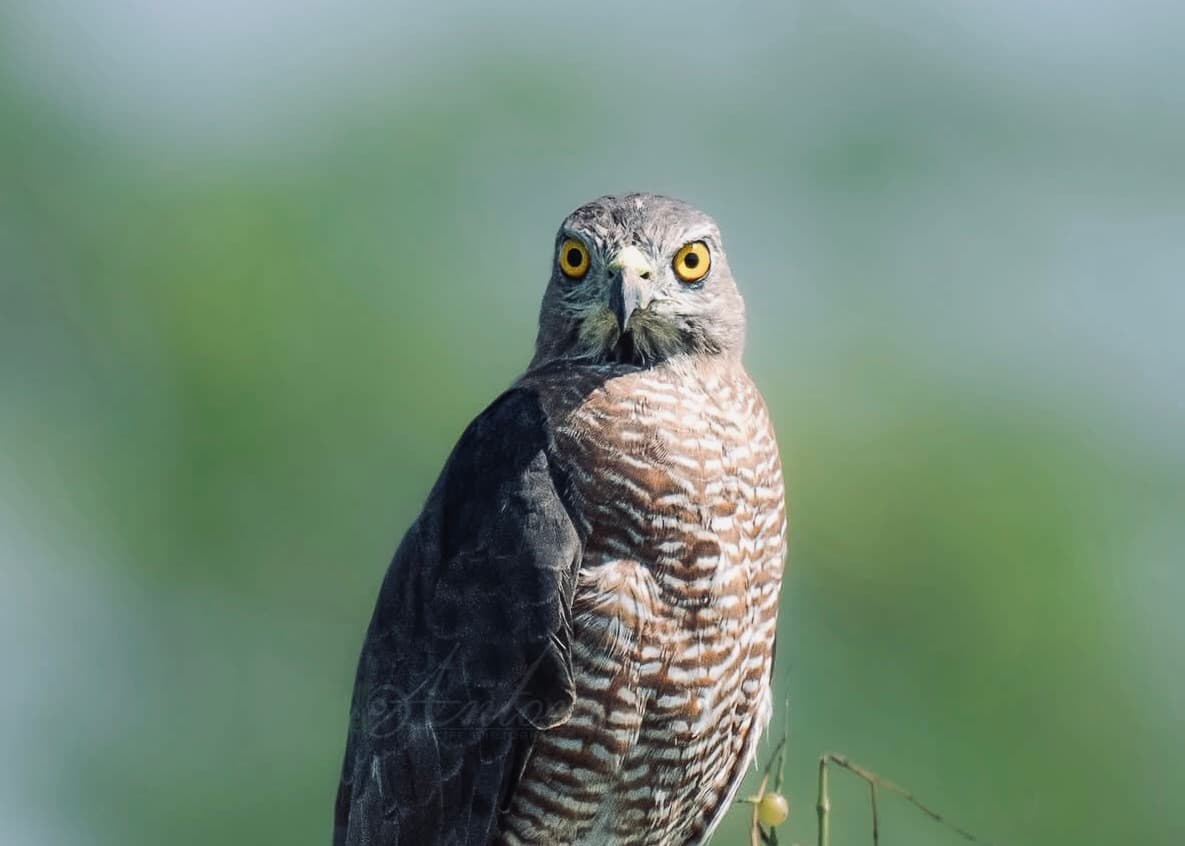
Birdlife: More than 200 species of birds, including painted storks, black‑necked storks, grey‑headed fish eagles, crested serpent eagles and six Sri Lankan endemic species. Excellent birding opportunities throughout the year.
Part 9 — Ethical Safari Guidelines Every Visitor Must Follow
Responsible tourism is not optional at Yala. Your choices genuinely impact wildlife welfare and the long‑term sustainability of the park.
Park regulations (strictly enforced):
* Remain inside the vehicle at all times
* Follow the instructions of your driver and tracker
* Avoid loud conversations and sudden movements
* Do not attempt to feed or attract animals
* No flash photography
How to be an ethical traveler in 2026:
* Never pressure your driver to move closer than the 30‑meter minimum distance rule
* Never encourage off‑road driving or speeding — it destroys root systems and nesting habitat
* Ask drivers to keep the engine at a respectful distance when animals are feeding or moving with young
* Support operators who advertise sustainable and eco‑friendly operations
* Choose Block 5 over Block 1 to spread tourism pressure across the park
Part 10 — What to Pack for Your Yala Safari
Proper preparation transforms a bumpy, dusty drive into a comfortable and productive wildlife experience.
Clothing:
* Neutral‑colored clothing in khaki, beige, olive or soft brown — avoid bright colors and white
* Lightweight jacket or long‑sleeved shirt for early morning coolness
* Closed footwear for stability when entering and exiting the jeep
* Wide‑brimmed hat and sunglasses
Essentials:
* High‑SPF sunscreen — the sun is intense even in early morning hours
* Insect repellent with DEET or picaridin
* At least 1.5 liters of water per person
* Scarf or dust mask — the fine red dust during dry season is significant
* Binoculars, especially if your camera lacks a powerful telephoto zoom lens
* Passport — mandatory for entrance verification
* Sufficient Sri Lankan Rupees in cash to pay entrance fees at the gate
Photography gear:
* A telephoto lens of at least 200–400mm is strongly recommended
* Extra batteries and memory cards — you will shoot more frames than you expect
* A small beanbag or support cushion to stabilize your camera on the vehicle frame
Frequently Asked Questions
Q: Do I need to book my Yala safari in advance?
Yes, especially during peak season (February to July). The new 300‑vehicle daily limit means slots fill quickly. Book at least 2–3 days ahead during high season and work with a licensed operator who can secure your entry permit.
Q: Are leopards guaranteed at Yala National Park?
No. Yala has the world's highest leopard density, but wildlife sightings are never guaranteed. Any operator who claims otherwise should be avoided. Professional drivers can account for a high success rate, but nature writes its own schedule.
Q: Which is better for a first‑time visitor — Block 1 or Block 5?
If your priority is maximizing the chance of a leopard sighting above all else, choose Block 1. If you prefer solitude, better photography conditions and fewer jeeps, choose Block 5. There is no wrong answer — only the answer that best fits your personal preferences.
Q: What is the easiest way to get to Yala National Park?
Most foreign travelers fly into Colombo and arrange a private transfer or drive to Tissamaharama, the main gateway town. Travel time is approximately five to six hours by road. Alternatively, you can travel from Ella (approximately two hours) or from the southern beach towns such as Mirissa, Tangalle or Galle (approximately three to four hours).
Q: Can I visit Yala as a day trip from Colombo or Ella?
Yes, day trips are available, but they involve very long travel days. From Colombo, expect a 5‑ to 6‑hour drive each way — a 12‑hour round trip before the safari even starts. Most travelers prefer to stay overnight in Tissamaharama to enjoy a full morning safari without exhaustion.
Q: Is Yala suitable for children?
Yes, with realistic expectations. Morning safaris start very early, which can be challenging for young children. Afternoon safaris are more manageable for families. Pack snacks, water and quiet activities to keep children engaged during slower periods.
Final Thoughts
Yala National Park still delivers one of the world's great wildlife experiences — the chance to see a wild Sri Lankan leopard in its natural habitat remains extraordinary. The dry season from February to July offers the best visibility. A morning safari gives you the highest chance of leopard sightings. Block 1 maximizes your odds, while Block 5 offers peace. And choosing an ethical, licensed operator makes all the difference — to your experience and to the park's future.
Plan ahead. Book your entry slot in advance. Bring cash for the entrance fee. Pack for the dust, not just the sun. And prepare for one of the most memorable mornings of your life. The wildlife is waiting.
This guide was updated in May 2026 with verified 2026 pricing, new park regulations, and search‑trend analysis. Always confirm current entrance fees and digital ticketing status with the Department of Wildlife Conservation before booking your safari.
Ready to see this in real life?
Book your Yala safari today and experience the magic firsthand.
Explore Packages