
Yala National Park Safari 2026 Digital Tickets, Hidden Blocks & How to See Leopards Ethically
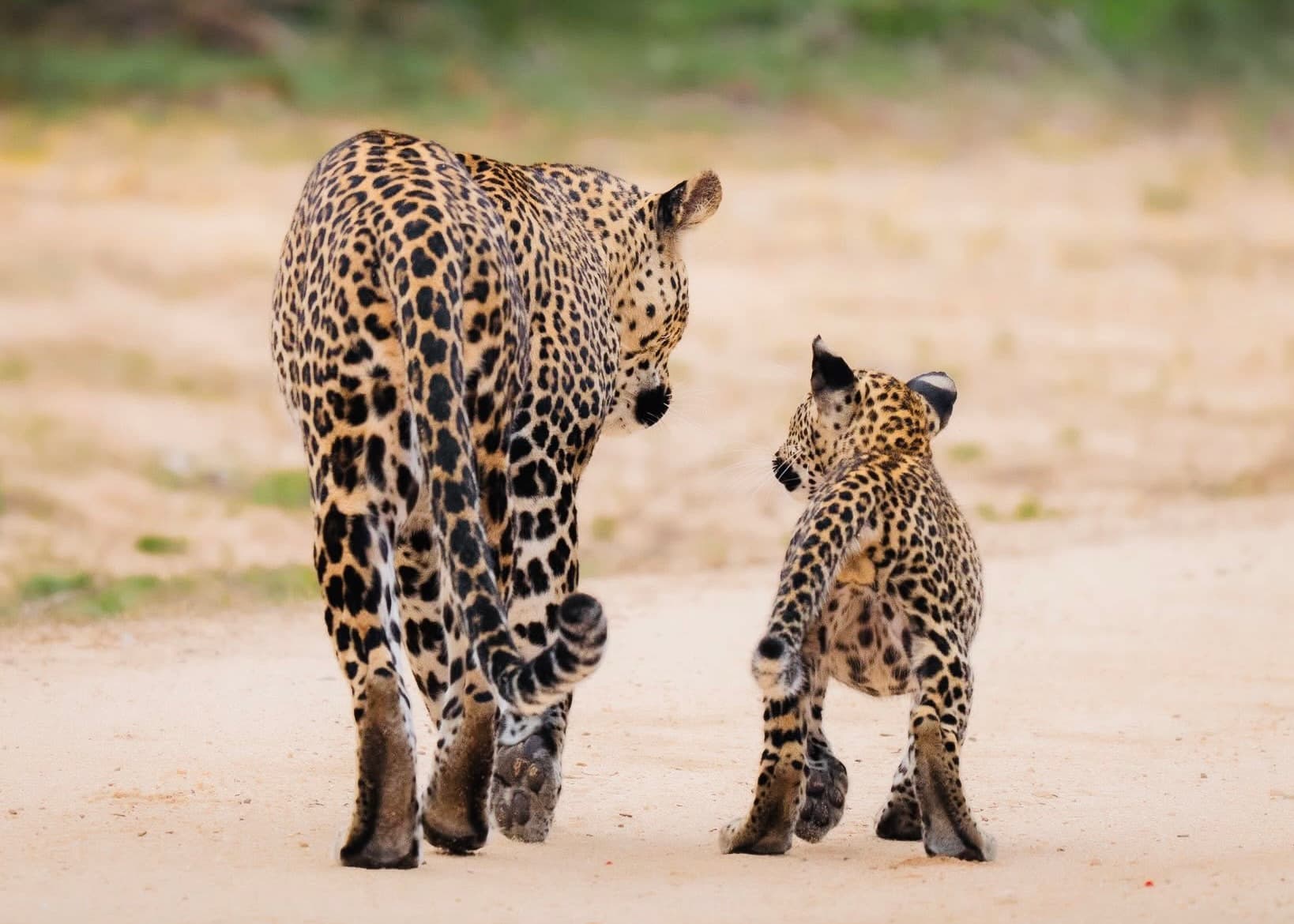
Imagine this. You are sitting in an open jeep as the first golden light spills over the Sri Lankan savannah. The air is crisp, the park is calm. Then, through the brush, you see it — a magnificent Sri Lankan leopard lounging on a sun-warmed granite rock, just 20 meters away. No other jeeps are in sight. No engines are idling. Just you, the wild, and a moment that will stay with you forever.
This is the Yala safari experience that glossy brochures sell. But for too many foreign travelers in recent years, this dream has collided with a harsher reality leopard jams, speeding jeeps, and the sinking feeling that you are part of the problem rather than the solution.
Good news. 2026 is different.
The Sri Lankan government has finally taken decisive action. A major digital ticketing system is being rolled out, daily vehicle caps are in force, and travelers who know the park's secrets can now sidestep the crowds entirely. This is your complete guide to navigating these changes, making the right choices, and experiencing the Yala safari you actually came for.
Part 1 — The 2026 Rules That Change Everything
For years, Yala operated without any visitor restrictions. The result was predictable. In 2025 alone, the park welcomed more than 380,000 visitors, generating over $5 million in revenue. But the cost was paid by the wildlife. By the leopards. By your fellow travelers crammed into the same bottlenecked tracks.
That era is ending. Here is what you need to know.
The New Digital Ticketing System
A unified e-ticketing platform is being implemented to control visitor flow. Using QR scanning facilities, the system will enforce specific time slots and limit the number of vehicles entering the park each hour". As the chairman of the Sri Lanka Tourism Development Authority put it, "every other park in the world works like that ... you know exactly how many you can carry per day and how many you can carry per hour".
A Presidential Task Force is coordinating across the Wildlife Conservation Department, Forest Department and tourism authorities to finalize this system, with the aim of establishing capacity limits at Yala and eventually across all national parks".
What this means for your 2026 safari: Advance booking is no longer optional. Show up without a confirmed slot and you are unlikely to enter, especially during the peak dry season. This is, without question, good news for the animals.
Daily Vehicle Caps Are Already Here
In early 2026, the Department of Wildlife Conservation took an immediate step: limiting the number of tourist vehicles entering Yala each day to 300.
This cap directly addresses the gridlock that has frustrated visitors and stressed animals for years. The park has faced shortages of Wildlife Department staff, hindering the operation of its three existing gates, which has worsened the congestion by forcing everyone to use the same entry point". The 300-vehicle cap is a vital first step while digital systems are fully implemented and additional gates are opened.
Mandatory Driver Licensing
Since January 2024, every jeep driver entering Yala must complete a training course and be licensed by the Department of Wildlife Conservation (DWC) or be accompanied by a certified DWC tracker". This improves how you experience wildlife and enforces respectful distances and passenger safety.
Part 2 — Hidden Blocks of Yala: Where Wildlife and Solitude Still Exist
The single most important decision you will make is which park block to enter, yet most travelers leave this entirely to their driver.
Block 1 — The Classic (and Crowded) Choice
Block 1 is the most famous section of Yala, known to have the highest density of leopards in the park, with a well-developed network of safari tracks". For these reasons, it attracts the vast majority of visitors. If this is your first visit to Sri Lanka and seeing a leopard is your absolute priority, Block 1 is the correct choice. However, be prepared. Sightings there can quickly turn into a "melee of jeeps, with drivers jostling for position".
Block 5 — The Peaceful Alternative
Block 5 consistently receives rave reviews from travelers who prioritize tranquility over the raw odds of a leopard encounter. This area is described as "perfect for tourists who want to travel in peace," with far fewer jeeps than other blocks and a slow, authentic experience that allows you to observe natural animal behavior without the noise". Routes take you through both forest and open areas, and its "open landscapes, fewer jeeps, and high leopard density" give you better visibility and less interruption".
If you are a photographer or a repeat visitor, choosing Block 5 will transform your Yala experience.
Lunugamvehera — Yala's Secret Twin
Located just a short distance away, Lunugamvehera National Park serves as an elephant migration corridor between Yala and Udawalawe. It provides an even more exclusive and rewarding alternative to the busier sectors". It is the choice for those who have seen the headlines about overcrowding and want to completely avoid the mainstream circuit.
Block Known For Crowd Level Leopard Sightings Best For
Block 1 Highest density of leopards, elephants, waterholes Very high Highest probability First-time visitors focused on leopards
Block 5 Open landscapes, less crowded, natural behavior Low High, but fewer vehicles Photographers, nature lovers, introverts
Lunugamvehera Authentic wilderness, elephant corridor Extremely low Possible, but not guaranteed Seasoned travelers seeking total peace
Part 3 — The Ethical Safari Manifesto: Rules for Responsible Travel
The crisis facing Yala is not abstract. The controversy surrounding Lucas, a iconic male leopard feared dead after a suspected safari jeep incident, has reignited debate about the cost of Sri Lanka's booming safari industry. The Wildlife Conservation Department confirmed an investigation and suspended a jeep linked to the case". "This intense pressure often results in overcrowding, aggressive driving, and risky maneuvers — all in the name of giving tourists a closer look".
You can actively choose to be part of the solution rather than the problem. Here is how.
Before You Book
* Reward transparency. Avoid any operator who cannot provide an itemized quote separating the jeep hire from the government-mandated park entrance fee.
* Check credentials. Your driver must be a DWC-licensed safari guide. Choose operators who state this clearly and advertise a code of conduct for wildlife viewing.
* Ask about their block. A good operator will not default to Block 1. They will discuss the best fit for your preferences, whether it is Block 5 or Lunugamvehera.
During Your Safari
* Never pressure your driver. Asking to get closer, drive faster, or jostle for position directly contributes to animal harassment. A good photograph is never worth the animal's stress.
* Follow the 30-meter rule. Maintain a respectful distance from all animals, especially mothers with young.
* Maintain silence. A leopard that turns its head toward a jeep has been disturbed. Whisper or use hand signals.
* No flash photography, ever. It is prohibited for a reason. It disorients nocturnal and crepuscular animals.
* Avoid peak season. The crowds are worst from December to April. For significantly fewer vehicles, aim for May or June, which still fall within the excellent dry season window".
Part 4 — Planning Your Safari: Month by Month
Your chances of seeing specific animals vary dramatically across the year.
Months Wildlife Focus Conditions Crowd Level
February – July Dry season: strongest overall visibility, animals gather at water sources Dry, hot, excellent viewing Very high (Feb-Apr)
April – July Peak leopard odds: shorter grass, lower water levels Dry, good visibility High
May – September Elephant viewing: reliable herds at waterholes Dry to moderate Moderate (May-Jun)
November – January Birdwatching peak: migratory species, greener scenery Occasional rain, green landscapes Low
The park typically closes for annual maintenance and the wildlife census during September, so always verify current schedules, but February through July is the golden window for wildlife.
Part 5 — The Real Cost of a 2026 Yala Safari
Travelers consistently overpay for Yala safaris due to a lack of transparency. Here is the truth about what you will pay.
Government Park Entrance Fee
The entrance fee is set by the Department of Wildlife Conservation and is not included in most advertised safari package prices.
* Foreign adults: Approximately 25 – 25–30 USD, paid in cash in Sri Lankan Rupees.
* Children aged 6–12: Approximately half price.
* Children under 6: Usually free.
Always keep your entrance ticket with you until you exit the park, as it is strictly enforced.
Safari Jeep Hire
You cannot use a private vehicle. A licensed safari jeep with an experienced driver is mandatory. Typical 2026 rates per jeep (which can hold up to six passengers) are:
Safari Type Approximate Cost (USD) What Is Included
Shared Jeep (Half Day) 35
–
35–60 per person Driver, pickup, water
Private Jeep (Half Day) 40
–
40–60 per jeep Driver, pickup, water, privacy
Private Jeep (Full Day) 90
–
90–150 per jeep Breakfast, lunch, driver, water
Total Cost for Two Adults
A private half-day safari combining jeep hire and park entrance fees will cost approximately
90
–
90–120 USD for two people. Full-day safaris will be higher, and day trips from faraway cities like Ella or Colombo will add significant transport costs.
Part 6 — Where to Stay: Tissamaharama and Beyond
The best base for a Yala safari is the town of Tissamaharama. It is approximately 20–30 minutes from the main park gates and offers the widest selection of accommodation, from budget-friendly guesthouses, like those on Hostelworld, to luxurious eco-lodges".
Most hotels and guesthouses in the area can help coordinate a safari for you, but always double-check the details of the arrangement before booking.
Part 7 — Sample 3-Day Ethical Yala Itinerary
Day 1: Arrival in Tissamaharama
Arrive in the afternoon and check into your accommodation. Confirm your safari booking for the following morning, ensuring your operator is DWC-licensed and has secured your digital entry permit.
Day 2: Morning safari in Block 5 (or Lunugamvehera)
Request a start time of approximately 5:30 AM to maximize the best conditions for sightings. Choose your preferred block based on your priorities. If you chose Block 5, ask to use the quieter Katagamuwa Gate to avoid the Palatupana gate congestion".
Day 3: Cultural exploration or second safari
Explore nearby attractions such as the ancient Sithulpawwa Rock Temple located inside the park's boundaries, or visit the holy town of Kataragama before departing.
Frequently Asked Questions
Q: Do I need to pre-book my Yala safari in 2026?
Yes. With the new digital system and 300-vehicle daily cap, securing a slot before your arrival is essential, especially during the peak February–July season. Several tour operators now offer packages that pre-book your entry tickets.
Q: Are leopards guaranteed at Yala?
No. Yala boasts the highest density of leopards in the world, but no ethical operator will ever guarantee a sighting. Any who do should be avoided entirely.
Q: Which is better for a first-time visitor — Yala or Udawalawe?
Yala is best for leopards and overall biodiversity. Udawalawe is best for guaranteed elephant sightings in a more peaceful, family-friendly atmosphere".
Q: Is Yala suitable for children?
Yes, but with realistic expectations. Morning safari start times are very early, which can be challenging for young children. Afternoon safaris are more manageable, but pack snacks, water, and quiet activities to keep them engaged.
Q: When is the absolute quietest time to visit Yala?
For the best balance of good wildlife conditions and fewer people, aim for May or June, which is still within the dry season but sees a significant drop in visitor numbers compared to the peak months of February through April".
Final Thoughts
Yala National Park is not beyond saving, but its future depends on the choices travelers make every single day. The new digital ticketing system and daily vehicle caps are crucial, but they are not a complete solution. The real power rests with you.
By choosing quieter blocks like Block 5, by traveling outside the peak crush of February to April, by supporting licensed drivers, and by refusing to pressure them for that "perfect shot," you become part of the solution. You demonstrate that wild places and wild creatures hold more value as living, breathing parts of an ecosystem than as checkmarks on a tourist's list.
The revolution starts with your booking. Choose wisely. Travel ethically. And experience Yala as it was meant to be seen.
Ready to see this in real life?
Book your Yala safari today and experience the magic firsthand.
Explore Packages