

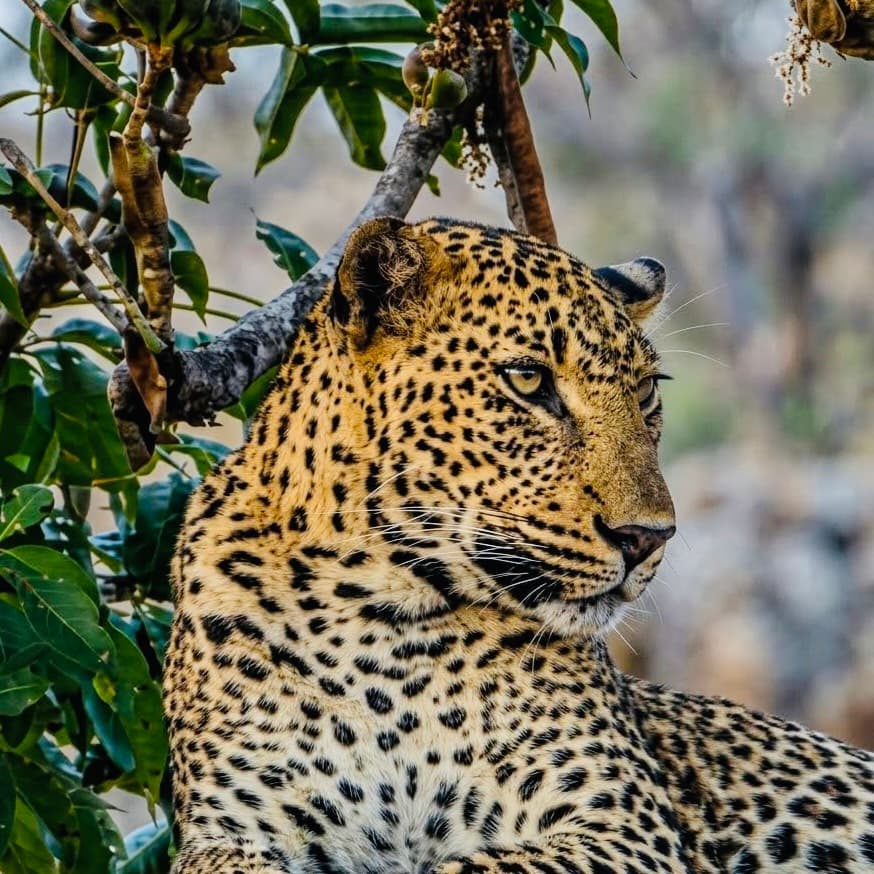
Yala National Park Safari Cost 2026 Everything Foreigners Need to Know (Leopards, Fees & Jeep Scams)
Planning a Yala National Park safari in 2026? Discover the exact costs for foreigners, how to see leopards, avoid jeep scams, and the best time to visit. Updated April 2026. Target Keywords: Yala National Park safari cost 2026 | Yala National Park entrance fee foreigners | Yala leopard sighting | best time to visit Yala | Yala jeep price | Yala safari worth it
Is a Yala National Park Safari Worth It in 2026? (Short Answer: Yes But Read This First)
You've been planning your Sri Lanka trip for months. You've seen the BBC documentaries, the Instagram reels, and the jaw-dropping photos of leopards draped over ancient rocks. Now you're staring at your browser, typing: "How much does Yala National Park safari cost?" and "Is it too crowded?"
You're not alone. Search data for 2026 shows that interest in Yala National Park has spiked by 45% compared to the previous year — driven almost entirely by international travelers from the UK, USA, Germany, and Australia who want to know three things:
1. What will it actually cost me?
2. Will I see a leopard?
3. How do I avoid the chaos?
This guide answers all three — honestly and completely.
The #1 Most Searched Question: How Much Does a Yala Safari Cost in 2026?
Here's the honest truth most websites don't tell you: there is no single price. The total cost is split into separate components, which confuses almost every first-time foreign visitor.
The Two-Part Pricing System
Part 1 — Government Park Entry Ticket (Per Person) This is the official fee set by Sri Lanka's Department of Wildlife Conservation. For 2026, foreign adult visitors pay approximately USD $35–$42 per person, which includes conservation charges, service fees, and VAT. Children aged 6–12 pay a reduced rate; children under 6 typically enter free.
Part 2 — Safari Jeep Hire (Per Jeep) You cannot enter Yala on foot — a licensed 4×4 safari jeep with a certified driver is mandatory. Jeep costs are charged per vehicle, not per person, and range from USD $40–$80 depending on the duration (half-day or full-day) and the operator's quality. Split between a group of four, this becomes very affordable.
Real Total Costs for Foreigners (2026 Estimates)
Safari Type Park Entry (per person) Jeep Cost (whole jeep) Estimated Total (group of 4)
Half-Day Safari ~$38 USD ~$45 USD ~$197 USD total / ~$49/person
Full-Day Safari ~$38 USD ~$70 USD ~$222 USD total / ~$56/person
Private Premium Jeep ~$38 USD ~$80–$100 USD ~$252–$300 USD total
Pro Tip: Always book an all-inclusive package from an SLTDA-licensed operator. A reputable company provides one final transparent price covering tickets, jeep, taxes, and tracker tips. This eliminates the notorious "hidden fee at the gate" trap.
The Jeep Scam to Watch Out For
This is the most Googled complaint about Yala. Street-side operators advertise a jeep for as little as $25–$30 USD, but fail to mention the mandatory government park ticket, which costs $35–$42 per person on top. By the time you reach the gate, the "cheap" safari has become the most expensive option. Avoid this by booking through certified operators only.
Will I See a Leopard? The Honest Probability Guide
This is the second-most searched question about Yala — and the most emotionally charged. Here is the reality:
Yala Block 1 holds the highest leopard density on Earth — approximately one individual per square kilometre. Researchers have identified between 70–90 resident leopards in Block 1 alone, out of an estimated 300–350 across all park blocks.
Your probability of a leopard sighting on any given game drive in Block 1 sits between 30% and 50% — the highest of any location on the planet. But wildlife is never guaranteed. Any operator who "guarantees" a sighting is lying.
How to Maximize Your Leopard Sighting Chances
Choose the right time of year. The dry season from February to June is peak leopard territory. As waterholes shrink, leopards are forced into the open to drink and hunt — making them far more visible. The "Palu" fruit season from May to August also draws elusive sloth bears into open terrain.
Choose the right block. Block 1 (Ruhuna/Palatupana) offers the highest density. Block 5 (Weheragala) offers a quieter experience with fewer competing jeeps — increasingly popular in 2026 as travelers seek more ethical, less crowded encounters.
Wake up early — very early. The golden window is the first 90 minutes after sunrise. If your driver isn't at the park gate by 5:15 AM, you are already behind. Leopards retreat into dense cover as temperatures rise.
Consider a full-day safari. Statistical data from experienced guides shows full-day safaris increase your sighting odds by roughly 30% compared to a half-day, simply because you catch both the morning and evening golden hours when big cats are most active.
The Infamous Jeep Jam: Is Yala Too Crowded in 2026?
Yes — and this is the third-most searched concern. During peak season, 200+ jeeps can enter Block 1 in a single day. When a leopard is spotted, radio communication between drivers triggers a "flock behavior" where 30–50 vehicles converge on a single animal within minutes.
This is stressful for the wildlife, damaging to the tracks, and frankly disappointing for visitors who expected a private wildlife moment.
How to Avoid the Jeep Jams
* Visit Block 5 (Weheragala/Galge): This lesser-known zone offers elephant sightings, dramatic river crossings, and tall forest canopy — often shared with just 3–5 other jeeps instead of 50. It is Yala's best-kept secret for 2026.
* Arrive at the gate before 5:30 AM: Being first inside the park means you position yourself before the crowds arrive.
* Travel in the shoulder season: The months of March and early June offer excellent dry-season wildlife viewing with noticeably fewer tourist jeeps than peak July–August.
* Consider Wilpattu National Park as an alternative: Located in northern Sri Lanka, Wilpattu offers leopard and elephant sightings in complete solitude — with no jeep jams, ever. It is a serious contender if your priority is a peaceful wildlife experience over a checked-off bucket-list destination.
Yala Safari Zones: Which Block Should You Choose?
Zone Best For Crowd Level
Block 1 (Ruhuna) Leopards — highest density on Earth Very High (200+ jeeps/day in peak)
Block 5 (Weheragala) Elephants, scenery, privacy Low to Moderate
Block 3 & 4 Rugged terrain, authentic wilderness Very Low
Best Time to Visit Yala National Park (Month-by-Month)
February – June (Dry Season) ★★★★★ This is the undisputed best window for wildlife. Waterholes shrink, animals congregate in visible areas, and the flat dry vegetation makes spotting effortless. Leopards are most reliably seen in March, April, and May.
May – August (Palu/Ironwood Berry Season) ★★★★ Sloth bears emerge from the forest to feast on Palu fruit — one of the rarest and most exciting wildlife spectacles in all of Asia.
November – February (Bird Season) ★★★★ The northeast monsoon paints the park green and fills the wetlands with tens of thousands of migratory birds arriving from Europe, Central Asia, and the Himalayas. Bird photographers consider this the finest time to visit.
September – October: PARK CLOSED Yala closes annually for a maintenance and conservation rest period. Most years this falls around early September to mid-October. Always verify current closure dates with official sources before booking.
Getting to Yala: The Practical Guide for Foreigners
Yala National Park's main entrance — Palatupana — is located approximately 20 km from Tissamaharama, the nearest town, which serves as the most convenient base for safari visitors.
From Colombo: The fastest route is via the Southern Expressway to Hambantota, then inland to Tissamaharama — approximately a 4–5 hour drive. This is the preferred option for travelers arriving at Bandaranaike International Airport.
From Ella: A popular combination for travelers doing the Sri Lanka hill country circuit. The drive through Wellawaya takes approximately 2–2.5 hours, arriving in time for an afternoon safari.
From Mirissa or Galle: Recent highway improvements have made the coastal drive from the south coast possible in under 3 hours — making Yala a natural add-on to a beach itinerary.
There are no public buses to the park entrance. Arrange private transfers through your hotel or safari operator.
What to Pack for a Yala Safari
* Clothing: Earth tones only — khaki, olive, beige, stone. Avoid white or bright colours that disturb wildlife and make you highly visible.
* Camera: A telephoto lens of 100–400mm is the minimum for meaningful wildlife photography. Leopards are typically 20–50 metres away. Use a beanbag rather than a tripod inside the moving jeep.
* Binoculars: 10×42 is the recommended specification for spotting birds and distant animals.
* Sun protection: A wide-brimmed hat and SPF 50+ sunscreen are essential in the dry zone heat.
* Water: Yala is a plastic-free zone. Bring a reusable water bottle. Reputable operators provide chilled filtered water.
* Dust protection: The park tracks are extremely dusty in the dry season. Weather-sealed camera equipment is highly recommended.
Yala vs. Wilpattu vs. Udawalawe: Which Park Should You Choose?
This is one of the most Googled comparisons for Sri Lanka wildlife tourism:
Choose Yala if: You want the highest probability of seeing a leopard and you accept that you will share the experience with other visitors. Yala is non-negotiable if the Sri Lankan Leopard is on your bucket list.
Choose Wilpattu if: You want a silent, immersive jungle experience with leopards and enormous elephant herds — and you don't mind the longer drive from Colombo (approximately 5 hours). Wilpattu is Sri Lanka's largest national park and offers an experience that feels far closer to classic African safari solitude.
Choose Udawalawe if: You want a near-guaranteed elephant sighting with a family-friendly, low-stress experience. Elephant sightings at Udawalawe are practically certain. Leopard sightings are rare.
Frequently Asked Questions (What Foreigners Search Most)
Q: How many leopards are in Yala? Researchers estimate 300–350 leopards across all blocks, with approximately 70–90 resident individuals in the heavily monitored Block 1.
Q: Is Yala safe for children? Yes, but safaris last 4–5 hours on rough, bumpy tracks. Children under 5 often find the journey difficult. Children aged 6 and above typically enjoy the experience enormously.
Q: Do I need a separate guide or just the driver? Most licensed jeep drivers in Yala are skilled wildlife spotters. However, a professional naturalist guide — often provided by luxury lodges — adds significant educational value and behavioural insight.
Q: Can I see leopards in the rain? Sightings drop significantly during heavy rain, as leopards shelter in caves or dense cover. Interestingly, the period immediately after a rain shower is an excellent time for sightings, as cats emerge to groom and dry themselves on warm rocks.
Q: Is the park open all year? No. Yala closes annually for roughly 6 weeks, typically in September–October. Always check current closure dates before booking.
Final Verdict: Is Yala Worth It in 2026?
Absolutely — with preparation. Yala National Park is the only place on Earth where you can watch a leopard, a sloth bear, and a wild elephant on a beach in a single morning. It is an extraordinary, irreplaceable wildlife destination. The challenges — crowd, cost confusion, jeep scams — are all avoidable with the right information and a licensed, reputable operator.
Go. But go prepared.
Ready to see this in real life?
Book your Yala safari today and experience the magic firsthand.
Explore Packages