Yala National Park Safari 2025: The Honest Guide to Costs, Leopards, and Avoiding Crowds
If you are currently planning your Sri Lanka itinerary for 2025 or 2026, you have likely heard the conflicting stories about Yala National Park.
The Good: It is the only place in Asia where you can see a leopard, a sloth bear, and an elephant on the beach in one morning.
The Bad: You have heard about the jeep traffic jams and confusing entrance fees.
So, is Yala National Park worth it? Yes—absolutely. But you need to know how to book it to avoid the tourist traps.
This guide answers the most searched questions by travelers right now, from the real cost of a safari to the secret zones where you can watch elephants in peace.
1. The Number One Question: What Does a Safari Actually Cost in 2025?
Foreign travelers are often frustrated by the pricing structure. Unlike parks in the US or Europe, the cost is split into two parts:
The Government Ticket: ~$35–$40 USD per adult (includes Service Charge + VAT).
The Jeep Rental: ~$40–$60 USD (standard) or ~$80–$100 USD (luxury).
The "Cheap Jeep" Trap:
You might see signs for a "$30 Safari." Be careful. These operators often use old, noisy jeeps that scare animals away, and they won't tell you about the extra government taxes until you arrive at the gate.
The Solution: Book an all-inclusive package. At Yala Wildlife, we give you a single, transparent price that includes your ticket, taxes, and a private jeep with an expert tracker. No hidden math.
2. Yala vs. Udawalawe vs. Wilpattu: Which Should You Choose?
This is the most Googled comparison for Sri Lanka wildlife.
Choose Udawalawe if: You want 100% guaranteed elephant sightings and hate crowds.
Choose Wilpattu if: You want a jungle adventure in solitude and don't mind driving further north.
Choose Yala if: You want the "Big Three" (Leopard, Bear, Elephant). Yala is the biodiversity capital of Sri Lanka. If you want a chance to see a leopard, Yala is non-negotiable.
3. The "Crowd Hack": Block 1 vs. Block 5
Everyone rushes to Block 1 (Palatupana) because it has the highest leopard density. It’s amazing, but it can get busy.
Insider Tip: If you want a peaceful experience, ask us to take you to Block 5 (Galge). It is quieter, full of stunning tall trees and river crossings, and great for elephants. It’s the park’s best-kept secret.
4. When is the Best Time to Visit?
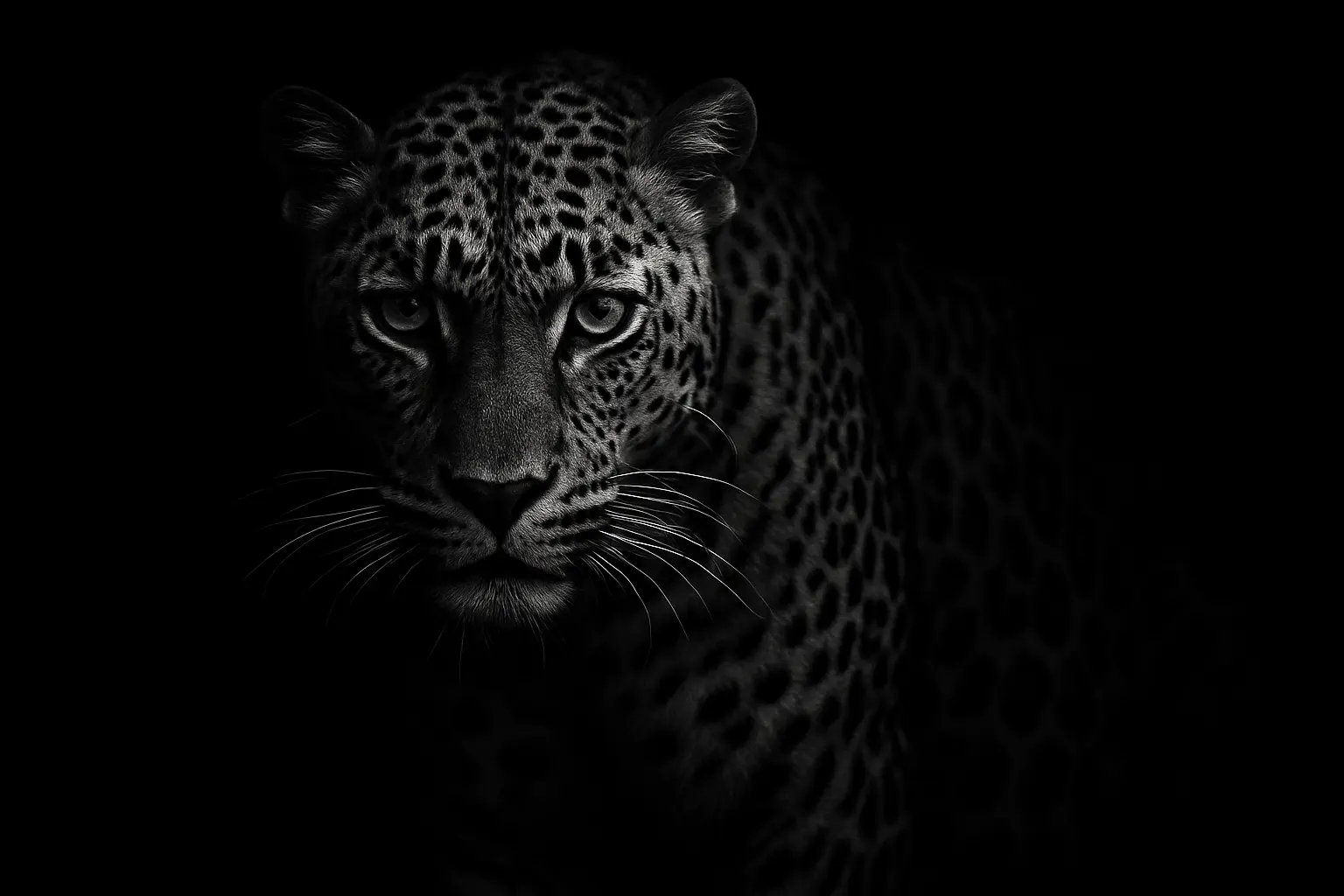
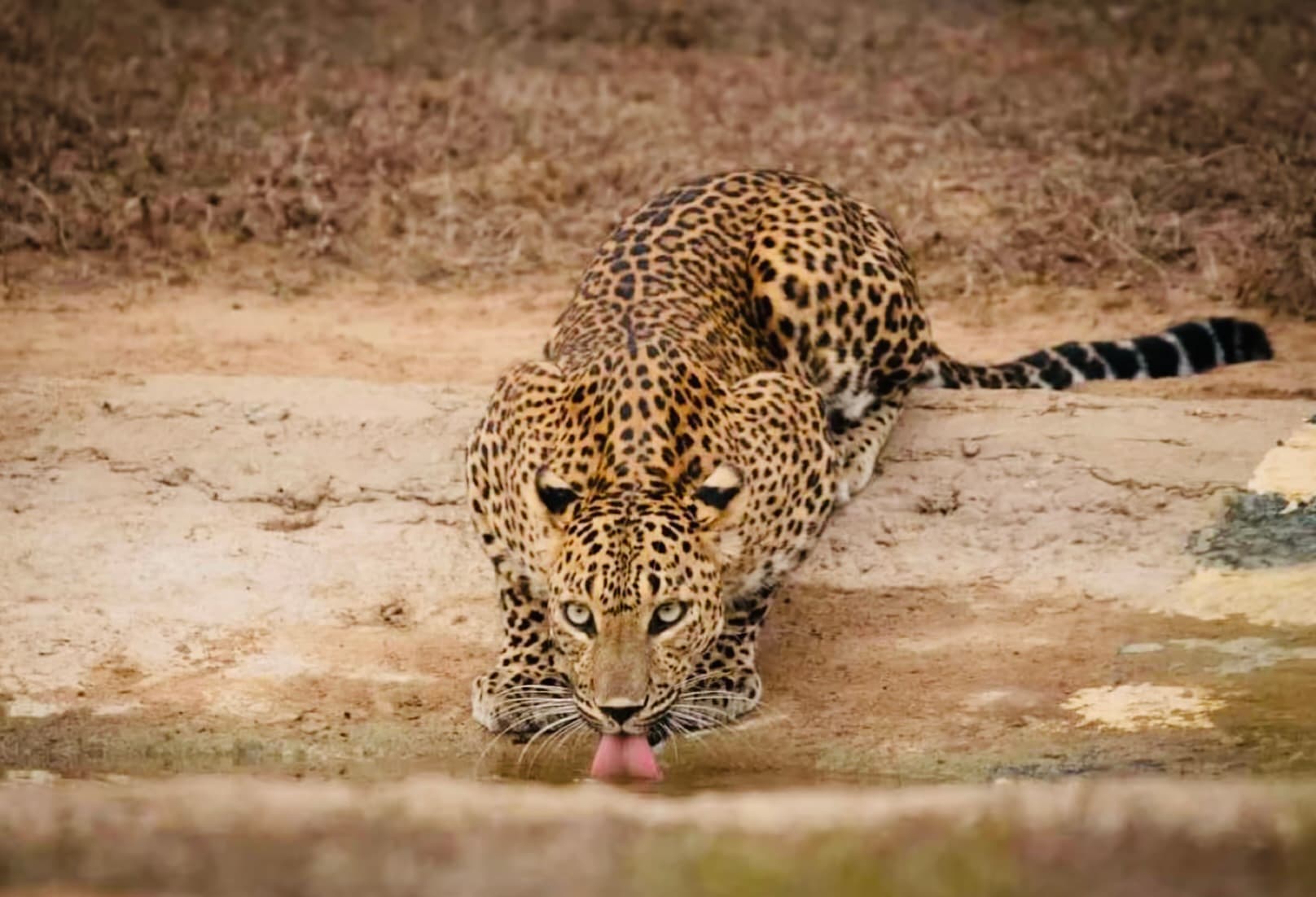
For Leopards (Feb – June): This is the dry season. Waterholes shrink, forcing the elusive cats into the open to drink.
For Bears (May – July): This is "Palu" fruit season. The sloth bears come out of the forest to feast on the sweet berries.
For Birds (Nov – Jan): The park is lush green and full of migratory birds from Europe.
5. Morning or Afternoon?
Morning (6:00 AM): Best for predators (leopards/bears) before the heat rises.
Afternoon (2:00 PM): Best for elephants and "Golden Hour" photography at sunset.
Full Day: The ultimate experience. You get both peak windows and a picnic lunch on the beach.
Conclusion
Don't let the fear of crowds stop you from visiting one of the world's best wildlife destinations. The key is to book a private safari with a reputable operator who knows how to navigate the park.
Ready to spot the big cats?
Check availability for honest, all-inclusive private safaris at Yala Wildlife.
#YalaNationalPark #SriLankaSafari #YalaJeepCost #LeopardSafari
Ready to see this in real life?
Book your Yala safari today and experience the magic firsthand.
Explore Packages