Ultimate Yala National Park Safari Guide (2026 Update)
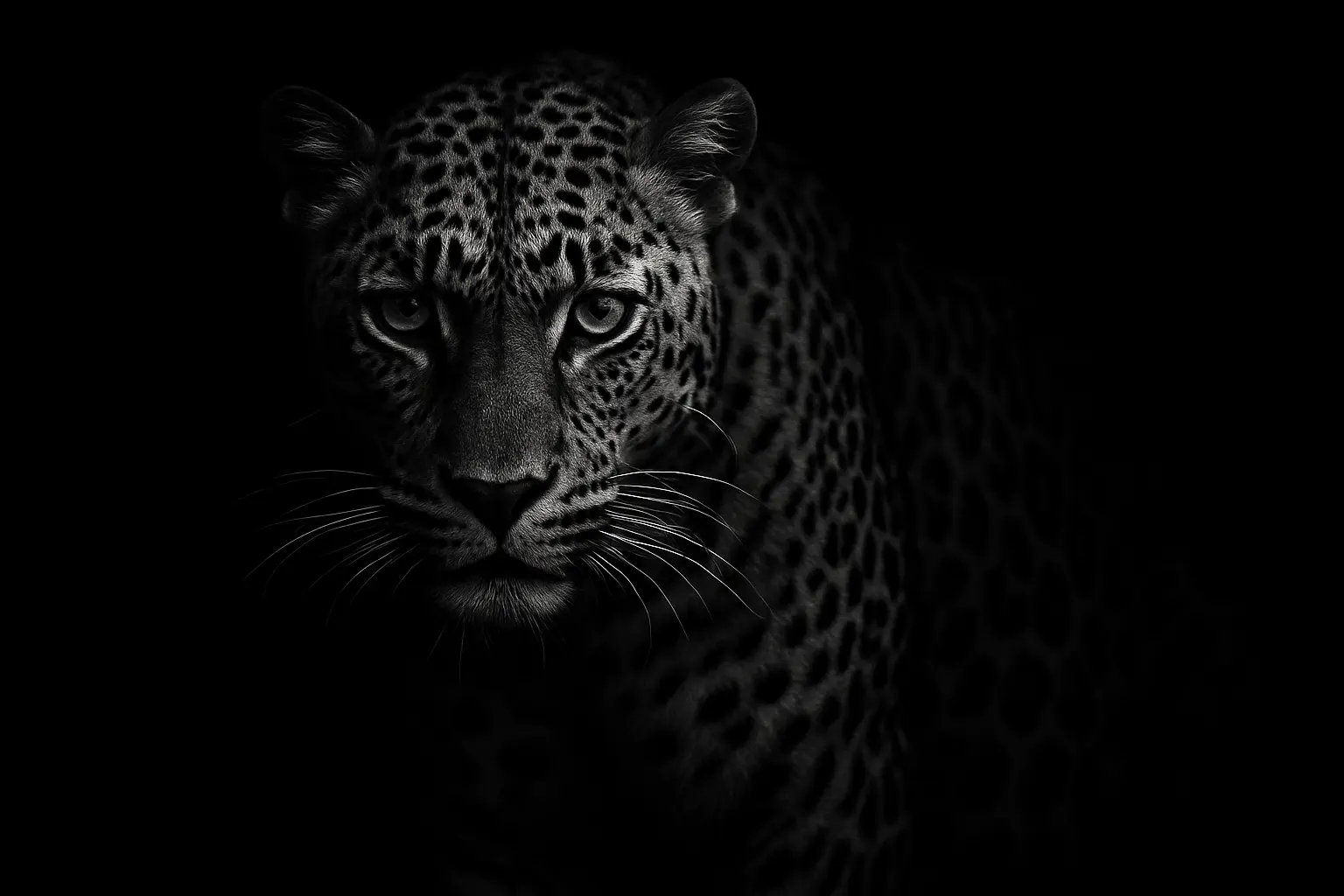
So, you’re heading to the "Land of the Leopard."
You’ve seen the National Geographic specials. Now you want the real thing.
But here is the truth most travel sites won’t tell you: Yala National Park is a double-edged sword.
It has the highest leopard density in the world. Unfortunately, it also has some of the highest "jeep density" in Asia.
If you go without a plan, you’ll spend more time looking at the back of a Toyota Hilux than at a Panthera pardus kotiya.
In this 2026 guide, we’ll break down how to beat the crowds, the real cost of a safari, and the secret to actually spotting a leopard.
1. When is the Best Time to Visit Yala?
Timing is everything. Yala’s ecosystem changes drastically between the dry and wet seasons.
Peak Leopard Season (February – June)
This is the dry season. Water levels drop, forcing leopards out of the thick scrub and toward the remaining waterholes. If sightings are your #1 priority, book during these months.
The "Closure" Warning
Historically, Yala Block 1 closes for 30 days in September or October. This allows for animal rest and road renovation. Always check official DWC updates before booking your flights.
The Best Time of Day
Morning safaris (6:00 AM) offer the best light for photography.
However, afternoon safaris (2:30 PM – 6:00 PM) are often better for leopard movement. As the rocks cool down, the big cats begin to hunt.
2. Block 1 vs. Block 5: Choosing Your Gate
Most travelers mindlessly head to Block 1 (Palatupana Gate).
It has the most leopards, but it also has 100+ jeeps competing for a view.
Feature Block 1 (Main) Block 5 (Katagamuwa)
Leopard Density Extremely High Moderate
Crowd Level Very High Low to Moderate
Best For First-timers Photographers
Pro Tip: If you want a quieter experience, enter through the Katagamuwa Gate to explore Block 5. You might see fewer animals, but you won't be stuck in a "jeep circus."
3. Yala Safari Cost 2026: Budgeting Your Trip
Don’t get scammed at the gate. A Yala safari has two main costs: the DWC Entrance Fee and the Jeep Hire.
Entrance Fees
For international travelers, expect to pay roughly $25 – $30 USD per person. This includes service taxes and VAT.
Jeep Hire
A private jeep for a half-day safari usually ranges from $40 to $60 USD. This price depends on the quality of the vehicle and the driver's experience.
Total Budget
Plan for approximately $70 – $90 USD as a solo traveler. Prices drop significantly if you share the jeep cost with a group.
4. How to Spot a Leopard: 3 Insider Secrets
1. Listen to the Langurs
Don't just look for spots. Listen for "alarm calls" from Spotted Deer or Gray Langurs. They are the park’s natural sirens.
2. The "Early Bird" Myth
Being first in the queue at 5:30 AM is great. But remember: leopards often sun themselves on rocks around 8:00 AM once the air warms up.
3. Hire a Specialist
Don't just hire a "driver." Hire a naturalist. An experienced tracker understands leopard territory and won't just follow the radio chatter of other jeeps.
5. What to Pack for Your Safari
Neutral Clothing: Avoid bright whites or neons. Stick to khakis, greens, and browns to blend in.
Dust Protection: Yala is incredibly dusty. Bring a face mask or a buff and a protective wrap for your camera gear.
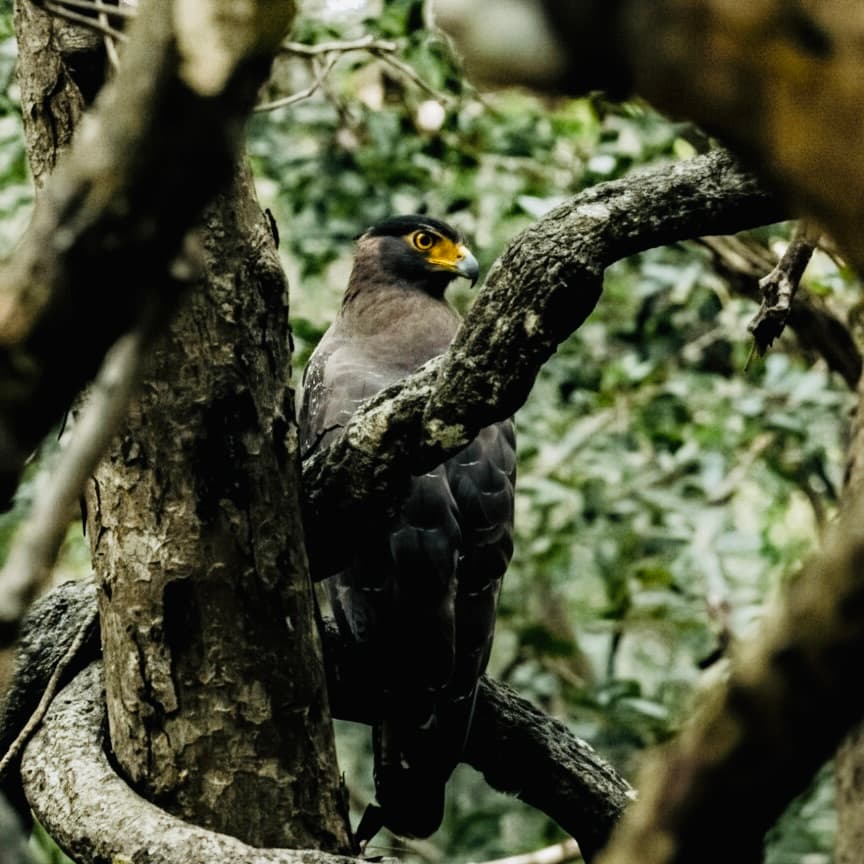
Binoculars: Even with a zoom lens, a pair of 8x42 binoculars is essential for spotting birds and leopards hidden in the canopy.
Final Verdict: Is Yala Worth It?
Yes. Despite the crowds, there is nowhere else on earth where you can see a leopard patrolling a white-sand beach.
Respect the wildlife, keep your voice down, and don't pressure your driver to speed. The magic of Yala is worth the wait.
Ready to see this in real life?
Book your Yala safari today and experience the magic firsthand.
Explore Packages