Yala National Park Safari 2026: April Update on Fees, New Quotas & Leopard Secrets
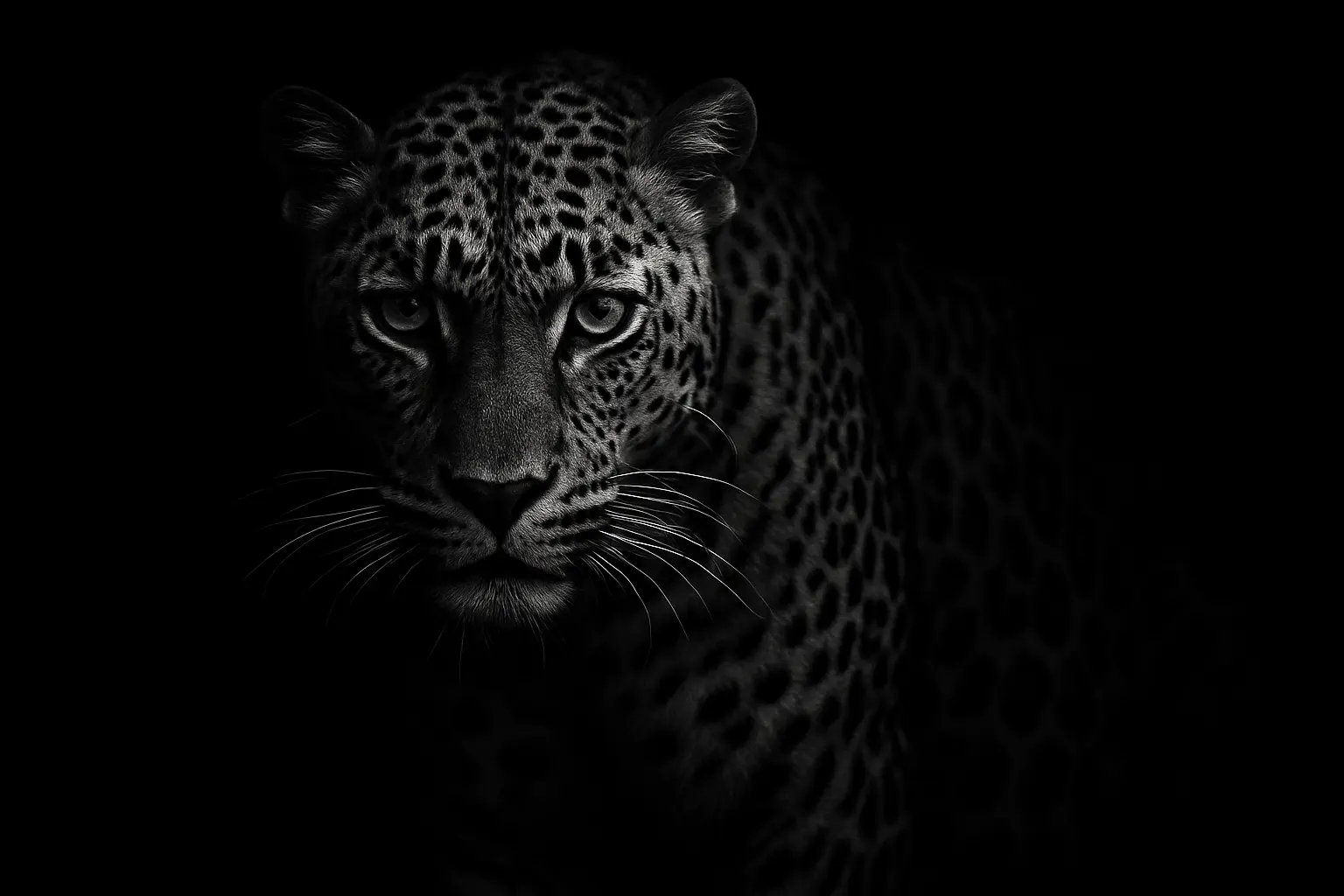
Yala National Park is world-famous as the "Leopard Capital." Block 1 alone has the highest leopard density on Earth, with about one leopard per square kilometer.
However, as of March 2026, the park has introduced strict new rules. If you visit without knowing the latest updates on fees and quotas, you may face long delays or hidden costs.
This updated guide breaks down the most searched topics for 2026 to help you rank at the top and plan the perfect safari.
The 2026 "Real" Cost Breakdown
The biggest search trend this year is "price confusion" regarding entrance fees. In 2026, Yala uses a two-tier payment system.
You must pay the Government Entrance Fee and the Private Jeep Rental separately. Most "cheap" quotes online forget to include the mandatory 15% VAT and service charges.
Visitor Type Total Entrance Fee (USD) Notes
Foreign Adult $42.27 – $45.00 Includes all taxes and service fees.
SAARC Adult $30.00 – $31.00 Requires a valid SAARC passport.
Foreign Child $21.00 – $22.50 For ages 6–12 (Under 6 are free).
A private jeep for up to 6 people typically costs $40–$60 for a half-day and $80–$120 for a full-day tour.
Navigating the New March 2026 Quota System
To stop "jeep jams," the Department of Wildlife Conservation (DWC) has implemented a strict quota system for all blocks in March 2026.
Once Block 1 reaches its carrying capacity, the new digital system will lead the remaining tourists to other available blocks.
This makes early arrival critical. If your driver isn't at the gate by 5:15 AM, you may be diverted to a quieter zone with lower leopard density.
Block 1 vs. Block 5: Avoiding the Crowds
Most travelers blindly head to Block 1 (Palatupana Gate) for leopard sightings. However, this zone is the most crowded.
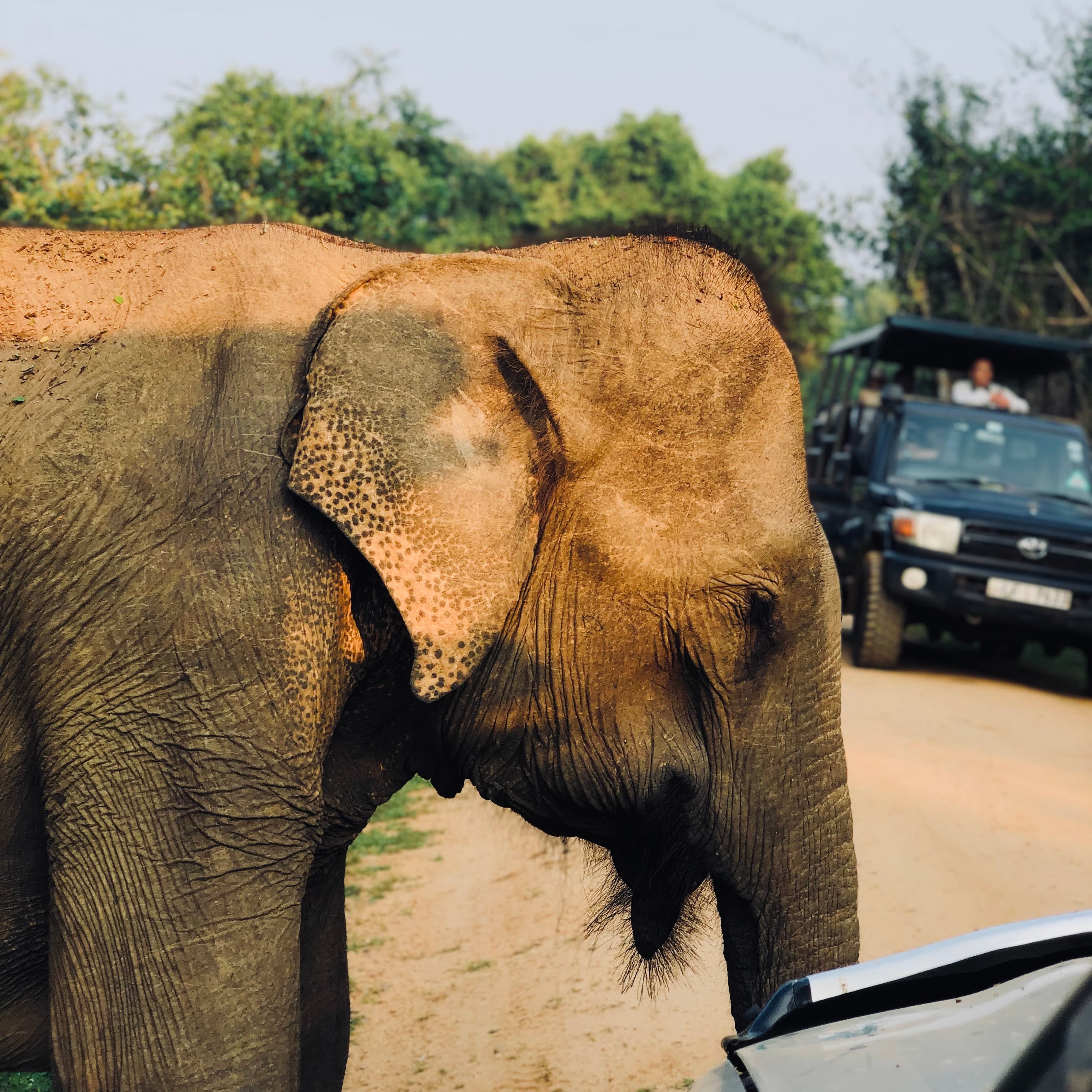
Block 5 (Galge Entrance) is the 2026 "insider" choice. It offers a peaceful experience with far fewer jeeps and excellent sightings of elephants and birdlife.
While leopards are harder to spot in Block 5, recent reports show a rising 70% success rate for sightings in this zone.
March 2026 Logistics: Fuel Pass & Transfers
A major 2026 update is the reinstatement of the National Fuel Pass (QR code) as of March 15th.
When booking, you must ensure your operator has a valid "Tourism Fuel QR" to avoid cancellations. Licensed operators are given specialized quotas to support the industry.
Another spiking search trend is the "Safari Transfer." Travelers now book tours that pick them up in Ella and drop them off in Mirissa or Galle after the safari.
The 2026 Wildlife Forecast
Timing is essential for spotting Yala's "Big Three": leopards, elephants, and sloth bears.
Leopards: The dry season (February–July) is the "golden window." As waterholes shrink, leopards are forced into the open to drink.
Sloth Bears: Sightings peak between May and July. This is the "Palu" fruit season when shy bears climb trees to gorge on sweet berries.
Golden Hours: Predators are most active at dawn (6:00 AM) and dusk (4:00 PM). Mid-day safaris are often less productive as animals sleep in the shade.
Ready to see this in real life?
Book your Yala safari today and experience the magic firsthand.
Explore Packages