
Yala National Park Safari 2026 The Only Guide You Need to See a Leopard, Plan Smart & Book Right
By the Yala Wildlife Expert Team | Updated June 2026 | 3,800 words
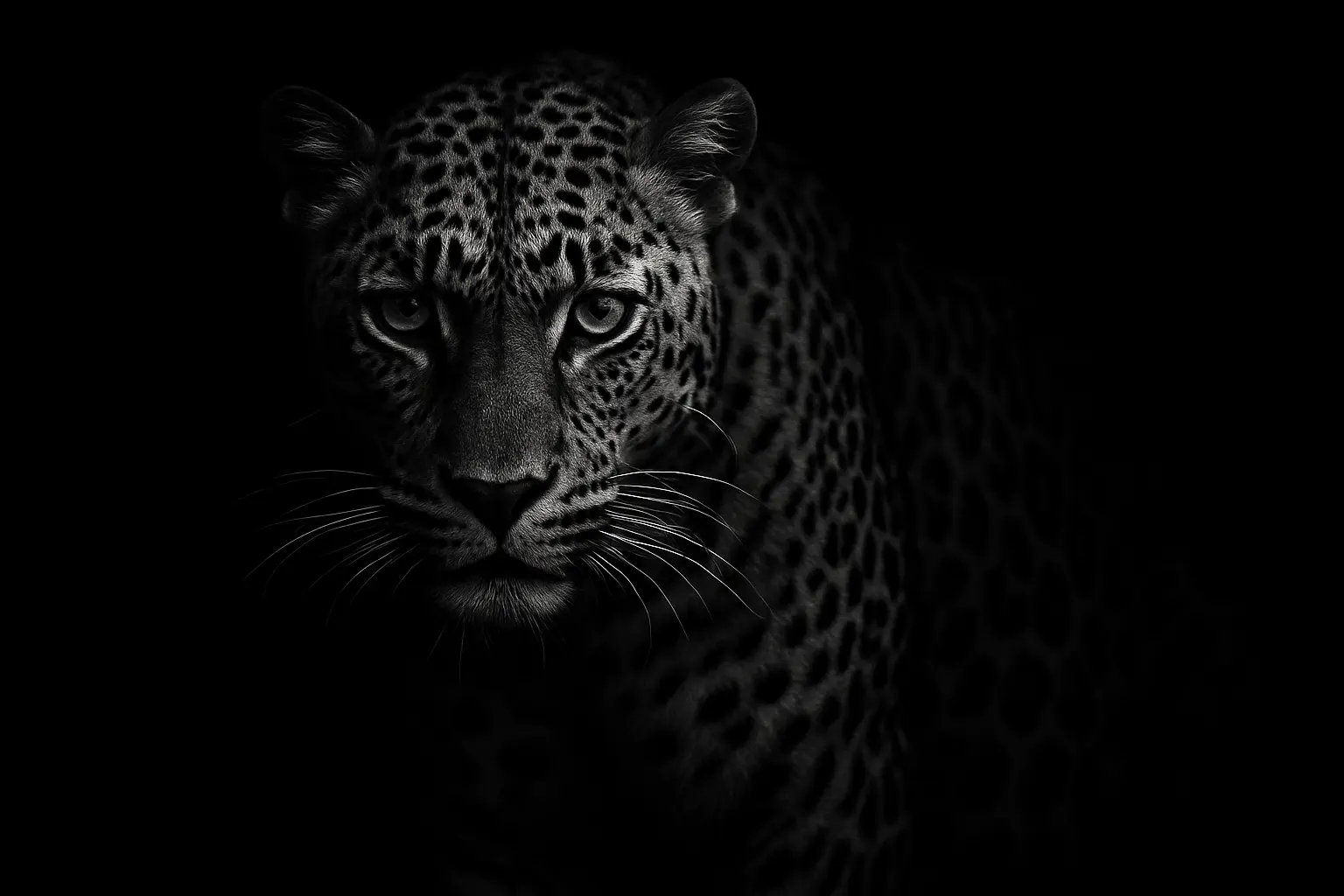
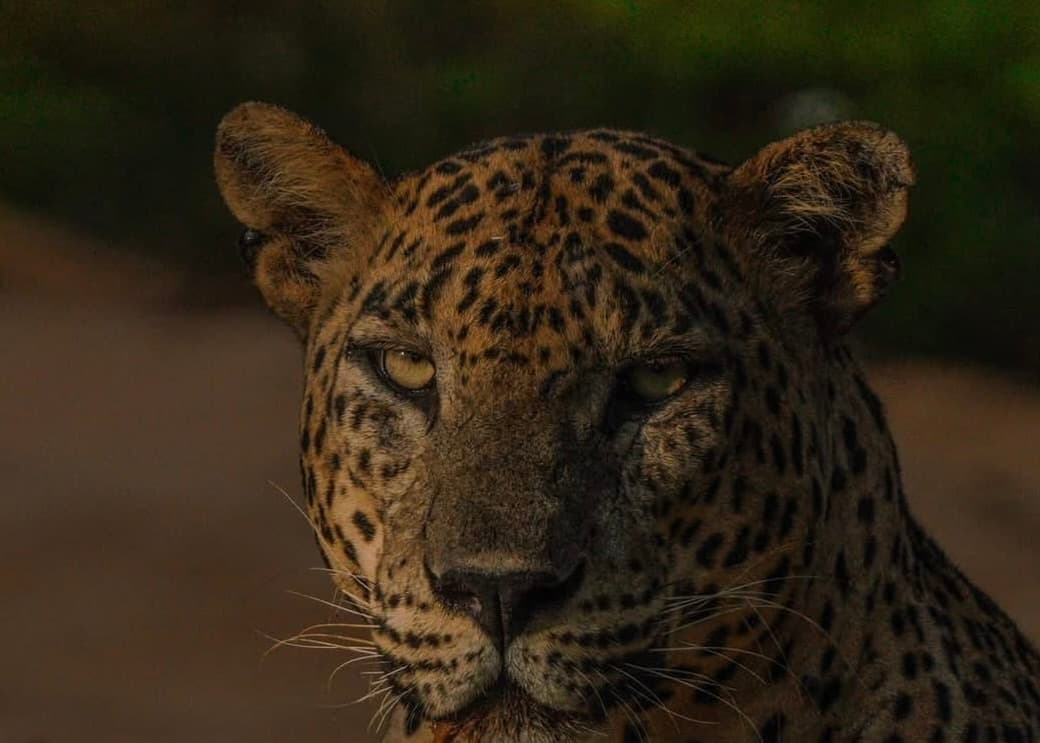
You've seen the video. A Sri Lankan leopard, amber eyes catching the morning light, stretched across a sun-warm granite boulder with the Indian Ocean shimmering somewhere beyond the treeline. You want that moment. The question is: how do you actually get it?
That's what this guide is for.
We've spent years operating safaris inside Yala National Park and watching thousands of international travelers arrive excited and leave either elated or disappointed — based almost entirely on one factor: whether they planned properly. This 2026 edition answers every question that matters, with honest answers instead of sales pitches.
What Makes Yala National Park Unlike Any Safari on Earth
Yala National Park, located in the southeastern corner of Sri Lanka, covers 979 square kilometres of extraordinary habitat — dry monsoon forest, grassland, lagoon, scrubland, and coastline where the jungle meets the Indian Ocean. It is divided into five blocks. Block 1, known as Ruhuna, is where most safaris operate and where the world's highest density of leopards has been documented.
That last fact changes everything. There are no lions or tigers in Sri Lanka. The Sri Lankan leopard — Panthera pardus kotiya, a unique subspecies — sits at the top of the food chain with no natural predators. Over generations, this has made Yala's leopards unusually bold. They walk openly across dirt tracks in daylight. They rest on exposed boulders. They don't run.
Yala's Key Wildlife Stats (2026):
Species Population in Park Sighting Probability
Sri Lankan Leopard ~25 in Block 1 alone 70–85% (dry season)
Asian Elephant ~300+ Very High
Sloth Bear Present, elusive 20–40% (May–Jul)
Mugger Crocodile Healthy population High near waterways
Water Buffalo Common Very High
Spotted Deer Abundant Near certain
Purple-faced Langur Present High
Painted Stork Seasonal High near lagoons
Sri Lanka recorded a 17.3% year-on-year increase in tourist arrivals in 2025, and Yala remains the single most searched wildlife destination on the island. For foreign travelers — particularly from the UK, Germany, France, Australia, the USA, and Canada — the Sri Lankan leopard is the primary draw.
The Most Important Decision You'll Make: When to Go
The single biggest factor in whether you see a leopard is timing, and most guides don't explain why timing matters — they just give you dates.
Here's the reason it matters: water.
During the dry season (roughly February through July), water sources inside the park begin to shrink. Wildlife — deer, buffalo, elephants, and crocodiles — concentrate around the remaining waterholes. Leopards follow prey. The less vegetation there is to hide behind, the more often you see them in the open.
Seasonal Breakdown:
Month Season Leopard Visibility Notes
Feb – Apr Dry begins Excellent Best combination of wildlife and manageable crowds
May – Jul Peak dry Outstanding Highest leopard sighting odds; sloth bear season (May–Jul)
Aug Inter-monsoon Good Occasional showers; still excellent visibility
Sep – Oct Park closure Closed (Block 1) Annual rest period for wildlife and road repair
Nov – Jan Northeast monsoon Moderate Lush vegetation; animals harder to spot
Dec – Jan Tourist peak Good High visitor numbers; book well in advance
Pro tip: The absolute sweet spot for foreigners combining a beach holiday with a Yala safari is April to June. The south coast (Mirissa, Galle, Unawatuna) is still in good beach weather, leopard sightings are at their highest, and the sloth bears are emerging for the Palu fruit season.
Morning Safari vs. Afternoon Safari: An Honest Comparison
This is the question every first-time visitor asks. Both sessions have advantages, and the "right" answer depends on what you most want to see.
Feature Morning Safari (5:30–10:30 AM) Afternoon Safari (2:30–6:30 PM)
Temperature Cool, then warming Hot, then golden hour
Leopard activity High — predators on the move Moderate — post-siesta movement
Best for Leopards, sloth bears, birds Elephants, crocodiles, photography
Light quality Crisp, clear morning light Golden hour / warm sunset glow
Crowds More jeeps at gate opening Slightly fewer jeeps
Drawback 4:30 AM hotel pickup Dust heavier in afternoon
Our recommendation for leopard-focused travelers: Morning safari, full stop. Gates open at 6:00 AM. The vehicles that queue from 5:00 AM and enter first have a genuine statistical advantage — they find leopards before the animals retreat into shade.
For photographers: Combine both. A full-day safari gives you morning light, the quiet midday hours when other jeeps leave for lunch, and the extraordinary golden light of the last hour before 6:00 PM closing. Statistically, full-day safari guests have 30% higher leopard sighting rates than half-day visitors.
Block 1 vs. Block 5: The Choice That Defines Your Safari
Most international travelers book Block 1 by default, because that's what appears first in search results. But in 2026, Block 5 has become the preferred choice among experienced safari-goers and wildlife photographers. Here's an honest comparison.
Block 1 (Ruhuna) — The Famous Zone
* Leopard density: Highest in the world (approximately 1 per square km)
* Jeep numbers: Up to 300–500 vehicles per peak day
* The "Jeep Jam" problem: When a leopard is spotted, radio networks alert other drivers. Within minutes, 30–50 vehicles converge on a single animal. Engines idle. Dust rises. The leopard often moves into cover.
* Landscape: Granite inselbergs (dome-shaped rocky outcrops), open grassland, coastal lagoon
* Best for: First-time visitors, highest raw sighting probability, the iconic inselberg leopard photograph
Block 5 (Weheragala / Galge Entrance) — The Secret Zone
* Leopard density: Lower than Block 1, but rising — approximately 70% sighting probability per safari
* Jeep numbers: Strictly limited — typically under 15 vehicles at any time
* Landscape: Tall forest canopy, river crossings, open plains — more like East African safari aesthetics
* Best for: Wildlife photographers, repeat visitors, elephant encounters, anyone who finds jeep jams unacceptable
* Photography advantage: Clean backgrounds, proper repositioning possible, genuine wilderness feel
The honest truth: Experienced safari operators will tell you privately that they prefer Block 5 for themselves. If this is your first visit to Yala and you just want to see a leopard, Block 1 gives you the highest raw probability. If you want an immersive, uncrowded wildlife experience and you're prepared to accept that a sighting is likely but not guaranteed, Block 5 is superior.
Yala Wildlife offers dedicated Block 5 safaris with strictly limited jeep capacity — one of the few operators that genuinely prioritizes the quality of your experience over throughput.
The Real Cost of a Yala Safari in 2026 (No Hidden Fees)
This section exists because "hidden fees" is one of the top complaints about Yala in every international travel forum. Here is the complete, transparent cost structure.
Government Entrance Fee (Paid at the Gate)
Visitor Type Cost (approx. USD)
Foreign Adult (13+) $30–$40 per person
Foreign Child (6–12) $15–$20 per person
2 Foreign Adults together ~$71 USD
3 Foreign Adults together ~$100 USD
4 Foreign Adults together ~$129 USD
Important: The entrance fee is paid in Sri Lankan Rupees (LKR) at the gate. The USD figures above are approximate based on current exchange rates. Prices include VAT and service charges and fluctuate with exchange rates.
Jeep Hire (Paid to Your Operator)
Safari Type Approximate Cost (USD)
Standard jeep, half-day (Block 1) $40–$60
Standard jeep, full-day $70–$100
Luxury/modified jeep (elevated seats, cushioned suspension) $80–$120
Block 5 private safari $90–$130
The scam to avoid: Some operators advertise "$30 safari" prices. This is jeep-only, with no entrance fee included. You discover the true cost when you arrive at the gate — and for a couple of foreign adults, the entrance fee alone is $71+. Always ask: is the entrance fee included? Reputable operators like Yala Wildlife list all-inclusive pricing upfront.
Total Cost Estimate (Per Person, All-Inclusive)
Group Size Half-Day Safari (Block 1) Full-Day Safari
Solo traveler $110–$140 $160–$200
Couple $75–$95 per person $105–$140 per person
Group of 4 $65–$80 per person $90–$120 per person
Getting to Yala: Routes From Every Major Tourist Base
The practical reality of Yala is that it's not convenient from anywhere in Sri Lanka — but it's worth every kilometre.
From Ella (Most Popular Route for Foreigners)
Distance: 70 km | Drive time: 2–2.5 hours via Wellawaya
Ella sits in the heart of the hill country tea country and is on virtually every international traveler's Sri Lanka itinerary. The Ella–Yala route through Wellawaya is a genuinely beautiful drive through changing landscapes from highland to coastal lowland.
Best strategy: The increasingly popular "Ella → Yala safari → drop in Mirissa/Galle" combo. You pick up from your Ella hotel, do a morning or afternoon safari in Yala, and then your transfer continues to the south coast. One journey does double duty — no backtracking.
From Mirissa / Hiriketiya / Weligama
Distance: 100–120 km | Drive time: 2–2.5 hours via the coast road
Travelers based on the south coast who've finished their beach time often do a Yala day trip as their last coastal activity before heading inland. The afternoon safari works well here — you arrive at Yala around 2:00–2:30 PM after the morning drive.
From Colombo
Distance: 250–280 km | Drive time: 4–5 hours via Southern Expressway (E01)
Doable as a very long day trip, but strongly not recommended. A Colombo-based visitor who does a morning safari ends up with an 11:00 PM return or an overnight stop. For Colombo visitors, we recommend one night in Tissamaharama to allow two safari sessions (morning and afternoon) — this dramatically increases your leopard sighting probability.
From Galle / Unawatuna
Distance: 160 km | Drive time: 2.5–3 hours
An easy day-trip. Afternoon safari works perfectly — depart Galle around 11:00 AM, lunch in Tissa, afternoon safari 2:30–6:30 PM, return or overnight.
Where to Stay Near Yala
Tissamaharama (Tissa) is the base town — 30–40 minutes from the gate, with hotels across all budgets.
Budget Recommendation
Luxury Wild Coast Tented Lodge, Chena Huts by Uga, Hilton Yala Resort
Mid-range Cinnamon Wild Yala, Jetwing Yala
Budget/Eco Kulu Safari, Tissa guesthouses
Staying inside or adjacent to the park gives you the best chance of early-morning gate access and two safari windows per day.
The Sri Lankan Leopard: Everything You Need to Know
The leopard is the reason most foreigners visit Yala. Here's everything that matters before you go.
Subspecies: Sri Lankan Leopard (Panthera pardus kotiya) — found only on the island of Sri Lanka. Recognized as a distinct subspecies and classified as Endangered on the IUCN Red List.
Why they're different from African leopards: No lions. No tigers. No competition. Over thousands of years, Yala's leopards have evolved to be the apex predator in an open landscape, and they've adapted to safari vehicles to the point that close, unobstructed views are genuinely common.
What they look like: Larger than most people expect. Males can weigh up to 77 kg. Golden-amber coat with black rosettes. In Yala's dry season light, when they're stretched on a granite boulder, they're one of the most photographically spectacular animals on earth.
How to find one:
* Listen for alarm calls. Toque macaques and gray langur monkeys, spotted deer, and peacocks all give distinctive alarm calls in the presence of a predator. An experienced driver who hears these sounds knows exactly what they mean.
* Check the inselbergs. The dome-shaped granite outcrops scattered through Block 1 are the leopard's preferred resting spots, particularly between 9:00 AM and 3:00 PM.
* Wait at waterholes. Patience at a waterhole in the dry season produces some of the best sightings and best photographs.
* Request a ranger (trekker). Your entrance fee includes a park ranger. The best rangers have trained eyes for camouflage that drivers miss.
What about sloth bears? The shaggy, insect-eating sloth bear (Melursus ursinus inornatus) is Yala's second most sought-after mammal. May through July is peak sighting season, when the Palu fruit ripens and bears come out to feed. Sightings are magical but not guaranteed — perhaps 20–40% probability in the right season.
Wildlife Photography at Yala: A Practical Guide
Yala is one of the world's finest wildlife photography locations — if you're prepared. Most visitors waste it with the wrong settings at the wrong moment.
Camera Settings for Leopard Photography
Situation ISO Aperture Shutter Speed
Dawn (6–7 AM, low light) 800–2000 f/4–f/5.6 1/500s minimum
Full morning sun 200–400 f/5.6–f/8 1/1000s+
Moving leopard 400–800 f/5.6 1/1000–1/2000s
Static portrait 200–400 f/4 (for background blur) 1/500s
Lens recommendation: 100–400mm or 150–600mm telephoto. A 70–200mm will work for close sightings but will leave you frustrated at distance. Bring a monopod — the jeep vibrations in Block 5's forest terrain make hand-holding difficult over 1/500s.
The background rule: Before pressing the shutter, look behind the animal. A leopard against sky or a blurred grass background produces a world-class image. The same leopard with other jeeps and dust in the frame does not. In Block 5, clean backgrounds are dramatically easier to achieve than in Block 1.
Eye level matters: You're sitting above the animals in a jeep. Position yourself at the lowest angle possible — hang your lens over the side of the jeep if the driver allows it. Eye-level leopard photographs look like professional wildlife images. Above-angle shots look like tourist snapshots.
Responsible Safari Travel: What Yala Needs From You
Yala faces real overtourism pressure. Here's how to travel in a way that protects the park.
Choose operators who limit jeep numbers. Ask directly: "How many jeeps do you allow at a single sighting?" Any answer over 8–10 is a red flag. "Jeep jams" of 30–50 vehicles cause genuine animal stress and habitat damage.
Request Block 5 or off-peak times. Visiting on weekdays and avoiding Sri Lankan public holidays reduces pressure on Block 1.
Follow the no-plastic rule. Since 2024, Yala has been a strictly plastic-free zone. Premium operators provide reusable glass bottles. If your operator hands you single-use plastic, that tells you something about their standards.
Stay late. Most jeeps head to the exit by 5:30 PM. The last 30 minutes before the 6:00 PM close are often the quietest and most magical of the day.
FAQ: Your Most Searched Questions, Answered
Q: What is the best time to visit Yala National Park for leopard sightings? A: February to July is the optimal period, with May–July offering the highest sighting odds. Water sources shrink during the dry season, concentrating wildlife in visible areas. April–June is the sweet spot for travelers who also want good beach weather on the south coast.
Q: How much does a Yala safari cost for foreigners in 2026? A: Budget $75–$140 per person all-inclusive for a half-day safari (jeep + entrance fees), depending on group size. Full-day safaris run $105–$200 per person. Always confirm that the government entrance fee ($30–$40 per adult) is included in your quoted price.
Q: Is it possible to do a Yala safari as a day trip from Ella? A: Yes. The drive from Ella takes 2–2.5 hours. The most popular option is the "Ella pickup → Yala morning or afternoon safari → drop in Mirissa/Galle" package, which turns your Yala visit into a scenic transit between destinations.
Q: What is the difference between Block 1 and Block 5? A: Block 1 has the world's highest leopard density but significant jeep congestion at peak times. Block 5 offers a quieter, more immersive experience with a rising 70% leopard sighting rate and superior conditions for wildlife photography. First-timers often choose Block 1; repeat visitors and photographers prefer Block 5.
Q: Does Yala National Park close during the year? A: Block 1 typically closes for approximately 30 days in September or October for annual wildlife rest and road maintenance. Always check current dates with the Department of Wildlife Conservation (DWC) or your operator before booking flights around this period.
Q: Are there tigers in Yala National Park? A: No. There are no tigers in Sri Lanka. The top predator in Yala is the Sri Lankan leopard, a distinct subspecies that has evolved in the absence of tigers and lions and is consequently far bolder and more visible than leopards in other parts of the world.
Q: Is morning or afternoon safari better? A: Morning safaris are better for leopards and sloth bears, which are most active in cooler temperatures. Afternoon safaris are better for elephants, crocodiles, and golden-hour photography. A full-day safari gives you both and statistically yields the highest sighting rates.
Q: Can I book a Yala safari without staying overnight nearby? A: Yes, but you'll need an early departure. Most day-trippers from Ella, Mirissa, and Galle do afternoon safaris (arrive ~2:00 PM). If you want a morning safari, staying at least one night in Tissamaharama is strongly recommended.
Q: What should I wear on a Yala safari? A: Neutral colors (khaki, tan, olive, beige). Light, long-sleeved clothing to manage mosquitoes and sun. Closed shoes. A hat. Bring a light jacket for morning sessions — the early pre-dawn drive can be surprisingly cool.
Q: How do I avoid overcrowding at Yala? A: Visit on weekdays; avoid Sri Lankan public holidays and school holidays. Book Block 5 instead of Block 1. Request a full-day safari (other jeeps leave at midday). Book 20+ days in advance for 2026 peak season with a reputable operator who limits jeep numbers.
Why Book With Yala Wildlife?
Yala Wildlife is one of the most trusted safari operators at Yala National Park. With experienced guides who speak English, German, and French, fully all-inclusive pricing (zero hidden fees), and access to both Block 1 and Block 5, they serve international travelers from across the UK, Germany, France, Australia, the USA, and Canada.
Every safari includes: licensed government-certified guides, government entrance fees, jeep hire with comfortable seating, hotel pickup from Tissamaharama area, and water/refreshments.
📞 Ready to book? → yalawildlife.com
Internal Linking Suggestions
* → How to get to Yala from Ella, Mirissa, Galle & Colombo
* → Yala Block 5: The Secret Safari That Beats Block 1
* → Complete Animal Guide: Every Species in Yala 2026
* → Wildlife Photography Guide: Shoot Leopards Like a Pro
* → Yala Safari Cost Breakdown 2026
External Authority References
* Department of Wildlife Conservation Sri Lanka — dwc.gov.lk
* IUCN Red List — Sri Lankan Leopard (Panthera pardus kotiya) — iucnredlist.org
* Sri Lanka Tourism Development Authority — sltda.gov.lk
© 2026 Yala Wildlife | yalawildlife.com | All safari bookings and inquiries: Book Now
Ready to see this in real life?
Book your Yala safari today and experience the magic firsthand.
Explore Packages