
The 2026 Yala National Park Safari Shake Up New Vehicle Cap, Digital Tickets & Why Block 5 is the Ethical Choice
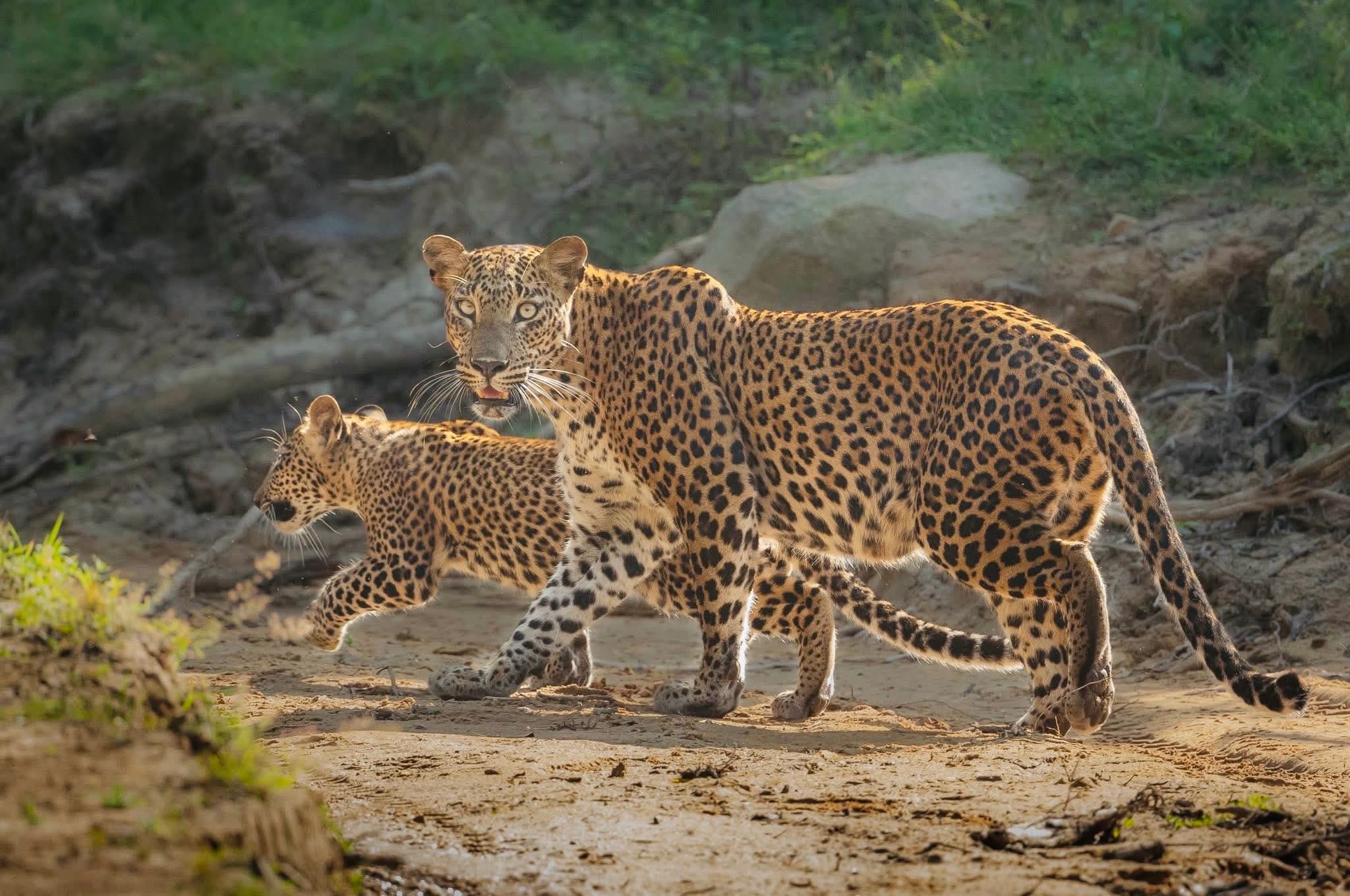
You've seen the photographs: a magnificent Sri Lankan leopard stretched across a sun-warmed granite boulder, golden light catching every spot. You've dreamed of the experience: the open jeep, the red dust, the thrill of spotting a predator in the wild. But recent headlines have painted a darker picture of Yala National Park leopard jams, speeding jeeps, and a beloved leopard named Lucas at the center of a national controversy.
Here's the good news: 2026 is shaping up to be a transformative year for Yala. The government has finally taken decisive action. A daily vehicle cap is now in effect, digital ticketing is on the way, and travelers who know the park's secrets can experience Yala at its best while actively supporting conservation.
This guide covers everything that has changed in 2026, how the new rules affect your safari, and the smartest ways to plan your visit.
The 2026 Changes That Actually Improve Your Safari
The 300-Vehicle Daily Limit
The most significant change is already in effect. The Department of Wildlife Conservation has decided to limit the number of vehicles carrying tourists into Yala National Park. Only 300 safari jeeps are now permitted entry per day. This cap directly addresses the primary cause of "leopard jams," where dozens of vehicles would previously crowd around a single animal.
Digital Ticketing with QR Code Scanning
Authorities are also moving to implement a unified digital ticketing system equipped with QR scanning facilities. Under the proposed changes, Yala will be the first park in Sri Lanka to operate under a capped daily visitor system managed through a digital platform. This system aims to regulate visitor flow by enforcing specific time slots and limits on the number of vehicles entering per hour.
Discussions are currently underway with the Digital Economy Ministry to finalize the e-ticketing system. A Presidential Task Force is coordinating efforts between the Wildlife Conservation Department, Forest Department, and tourism authorities to establish a single, unified API connectivity and ticketing platform for all wildlife parks.
Licensed Drivers Only
All jeep drivers entering Yala must now be licensed by the Department of Wildlife Conservation (DWC) or be accompanied by a certified DWC tracker. As of early 2024, only 552 registered and licensed jeeps are permitted entry, with drivers facing fines or license suspensions for violating safety guidelines or speed limits.
What These Changes Mean For You: Advance booking is no longer optional. Show up without a confirmed slot and you are unlikely to enter, especially during the peak dry season. This is, without question, good news for the animals and for your experience.
The Lucas Incident: A Wake-Up Call
In early April 2026, a major controversy erupted over the fate of Lucas, one of Yala's most iconic male leopards. Wildlife Conservation Department Director General Ranjana Marasinghe confirmed an investigation into claims that Lucas may have been run over or possibly targeted in a suspected safari jeep incident.
The safari jeep believed to have been near Lucas was temporarily suspended pending investigation. Unverified social media posts claimed Lucas had been killed, sparking widespread concern. Fortunately, Ravindra Kumar, Yala National Park warden, later confirmed that Lucas was spotted the following night in good health.
However, the incident exposed a terrifying truth. Past vehicle strikes have claimed the lives of a young leopard and a jungle cat. The park is facing a dangerous wildlife crisis as tourism pressure transforms leopard-watching into a deadly spectacle. The new 2026 rules are a direct response to incidents like these.
Block 1 vs Block 5: Which Is Right for You?
Understanding Yala's block system is one of the most important decisions you will make. Most travelers default to Block 1 — and many regret it.
Block 1 (The Classic, Crowded Choice)
Block 1 is Yala's most visited section. It has the highest density of leopards in the park, with at least one leopard per square kilometer. This is where you have the best statistical chance of seeing a leopard.
However, Block 1 has become a victim of its own success. At peak times, dozens of vehicles crowd around a single sighting, creating "leopard jams." With up to 300 jeeps competing for space, the experience can feel more like a traffic jam than a wilderness encounter.
Best for: First-time visitors, leopard-focused travelers, and those willing to accept crowds in exchange for the highest odds of a sighting.
Block 5 (The Peaceful Alternative)
Block 5 is a safari area that is less busy. The area is perfect for tourists who want to travel in peace. There are not as many jeeps as in other blocks, so there is less crowding. Animals in Block 5 include elephants, spotted deer, wild boar, and various bird species. There is a possibility of seeing a leopard, but this is not very common. It is easier to see how animals behave when there is not much noise.
The experience in Block 5 is slow and realistic. The routes take you through both forest and open areas. There are fewer cars, which makes it easier for photography. This is a great block for those who love nature and visit often.
Best for: Photographers, nature lovers, introverts, and anyone who associates peace with a quality safari.
Block 5 & 6 (Weheragala & Lunugamwehera)
Blocks 5 and 6 offer an even more exclusive experience. This area features misty lakes, distant mountains, and a landscape rich with lakes, grasslands, and forest edges. The journey begins in Lunugamvehera before venturing deeper toward Yala Block 5, timed for the magical late-afternoon hours when leopards are most active.
Feature Block 1 Block 5
Leopard Density Very high Moderate
Crowd Level High (300 vehicles/day) Very low
Best For First-time leopard seekers Photographers, peace-seekers
Vehicle Congestion Common Rare
Photography Conditions Rushed, crowded Excellent, uninterrupted
Yala Safari Costs 2026 (Exact Breakdown)
Park Entrance Fee
The entrance fee is a separate government charge paid at the gate. Most advertised safari packages do NOT include this fee.
* Foreign adults: Approximately $35 USD per person (LKR 10,000-13,000)
* Children (6-12 years): Reduced fee
* Children under 6: Usually free
* Payment Method: Cash in Sri Lankan Rupees at the park gate
Safari Jeep Hire
You cannot enter Yala using a private vehicle. A licensed jeep with an experienced driver is mandatory.
Safari Type Approximate Cost (USD) What Is Included
Shared Jeep (Half Day) $20-35 per person Driver, pickup, water
Private Jeep (Half Day) $60-90 per jeep Driver, pickup, water, privacy
Full-Day Safari (Private) $120-180 per jeep Breakfast, lunch, driver, water
Total Cost for Two People
A private half-day safari for two adults typically costs $90-120 USD total, combining jeep hire and park entrance fees.
What to Ask Before Booking: "Does your price include the park entrance fee, or is that paid separately?" If they hesitate or cannot give a clear answer, choose a different operator.
Best Time to Visit Yala in 2026
Months Conditions Crowd Level Sighting Quality
February – July Dry season, animals gather at waterholes, reduced vegetation High Excellent
February – April Peak leopard window Highest Best for leopards
May – July Still excellent, fewer crowds than peak Moderate Very good
November – January Green season, occasional rain Low Good for birds, greener scenery
The dry season between February and June is widely considered the best period to explore Yala National Park. During these months, water levels drop and animals gather near remaining lagoons and waterholes.
Annual Park Closure: Yala is usually closed for annual maintenance and the wildlife census during September.
Morning vs. Afternoon: Morning safaris (6 AM start) are far more productive for leopard sightings — the cats are most active in the first two hours of daylight. Afternoon safaris (2 PM start) can be excellent for elephants and waterbirds.
Morning Safari vs. Afternoon Safari: Which Wins?
Safari Type Best For Pros Cons
Morning (6:00 AM – 10:00 AM) Leopards, birds, photography Highest predator activity, cool temperatures, best light Very early start
Afternoon (2:00 PM – 6:00 PM) Elephants, sunset views Warmer start, good for elephants, sunset photography Harsher early afternoon light
Expert recommendation: If you have only one day, choose a morning safari. If you have two days, book one morning and one afternoon drive to experience the park in both lights.
Getting to Yala & Where to Stay
How to Get There
Yala is approximately 300 kilometers from Colombo — a drive of 5-6 hours via the Southern Expressway. Most travelers fly into Colombo International Airport (CMB), then drive to Tissamaharama.
Alternative routes:
* From Ella: Approximately 2 hours
* From Southern coastal towns (Mirissa, Tangalle, Galle): Approximately 3-4 hours
* Day trips from Colombo are possible but involve very long travel days
Where to Stay
Most foreign visitors base themselves in Tissamaharama (often called "Tissa"), located approximately 20 minutes from the main park entrance. The town offers the widest range of accommodation, from budget guesthouses to luxury eco-lodges.
For premium experiences, consider park-adjacent lodges like Cinnamon Wild Yala, where animals sometimes roam the hotel grounds. Luxury tented camps offer early morning access without the long drive from town.
Ethical Safari Guidelines Every Visitor Must Follow
The crisis at Yala is not abstract. It is a direct result of traveler choices. You can actively choose to be part of the solution.
Park Regulations (Strictly Enforced)
* Remain inside the vehicle at all times
* Follow the instructions of your driver and tracker
* Avoid loud conversations and sudden movements
* Do not attempt to feed or attract animals
* No flash photography
How to Be an Ethical Traveler in 2026
* Never pressure your driver to move closer than the respectful distance. A good photograph is never worth an animal's stress.
* Never encourage off-road driving or speeding. It destroys root systems, nesting habitat, and endangers animals.
* Choose quieter blocks. Ask specifically for Block 5, Block 6, or Lunugamvehera.
* Support licensed operators. Look for DWC-licensed drivers and a published code of conduct.
* Avoid peak season (February-April) if possible. Travel in May or June for good conditions with fewer vehicles.
Srilal Miththapala, a veteran wildlife enthusiast and tourism professional, notes that the long-term sustainability of the park depends on moving away from a "box-ticking" culture focused solely on sightings toward a model that prioritizes the quality of the wildlife experience and strict enforcement of park regulations.
Frequently Asked Questions
Q: Do I need to pre-book my Yala safari in 2026?
Yes. With the new 300-vehicle daily cap and digital ticketing system, advance booking is essential, especially during peak season (February-July). Book at least a few days ahead.
Q: Are leopards guaranteed at Yala?
No. Yala has the highest leopard density in the world, but wildlife sightings are never guaranteed. Any operator who claims otherwise should be avoided.
Q: Is Yala safe in 2026?
Safety challenges exist related to speeding jeeps and overcrowding. However, visitors who choose licensed operators, follow park rules, and avoid peak times minimize their risk. The government's new regulations are actively addressing these issues.
Q: Is there a tiger myth at Yala?
There are no tigers in Sri Lanka. The apex predator is the Sri Lankan leopard. This is a persistent myth — social media spreads confusing information, but the scientific truth is straightforward.
Q: Which is better for a first-time visitor — Yala or Udawalawe?
Yala is best for leopards and overall biodiversity. Udawalawe is best for guaranteed elephant sightings and a more peaceful, family-friendly atmosphere. Many travelers combine both parks on a single itinerary.
Q: Is Yala suitable for children?
Yes, with realistic expectations. Morning safaris start very early — afternoon safaris are more manageable for families. Pack snacks, water, and quiet activities to keep children engaged.
What to Pack for Your Yala Safari
Clothing:
* Neutral-colored clothing (khaki, beige, olive, or brown) — avoid bright colors and white
* Lightweight jacket for early morning coolness
* Closed footwear for entering and exiting the jeep
* Wide-brimmed hat and sunglasses
Essentials:
* High-SPF sunscreen
* Insect repellent with DEET or picaridin
* At least 1.5 liters of water per person
* Scarf or dust mask for the fine red dust in dry season
* Binoculars (essential if your camera lacks powerful zoom)
Photography Gear:
* Telephoto lens (200-400mm minimum)
* Extra batteries and memory cards
* Small beanbag or support cushion to stabilize your camera on the vehicle frame
Documents and Money:
* Passport (mandatory for entrance verification)
* Cash in Sri Lankan Rupees to pay entrance fees at the gate
Final Thoughts
Yala National Park remains one of the world's truly great wildlife destinations. The leopards are still there. The elephants still gather at the waterholes. The sun still rises over the scrubland and paints the granite rocks gold.
But 2026 is a turning point. The new 300-vehicle cap, the digital ticketing system, and the focus on Block 5 alternatives are all signs that the government is finally taking the overcrowding crisis seriously. The Lucas incident was a wake-up call that no one could ignore.
Now, the choice is yours. You can book the cheapest jeep, pressure your driver to get closer, and contribute to the chaos. Or you can do your research, choose Block 5 over Block 1, book your digital entry ticket in advance, and become part of the solution.
The revolution starts with your booking. Choose wisely. Travel ethically. And experience Yala as it was meant to be seen — wild, peaceful, and unforgettable.
Quick Reference: 2026 Yala Safari at a Glance
Category Key Information
Vehicle Cap 300 jeeps per day
Digital Ticketing QR code system coming in 2026
Best Time February – July (dry season)
Peak Leopard February – April
Park Closure September (annual census)
Entrance Fee (Foreign) ~$35 USD per adult
Private Jeep (Half Day) $60-90 USD per jeep
Total for 2 Adults $90-120 USD
Quietest Block Block 5
Base Town Tissamaharama
Distance from Colombo ~300 km (5-6 hours)
This guide was updated in May 2026 with verified 2026 pricing, new park regulations, and search-trend analysis based on official government announcements, park warden statements, and wildlife conservation publications. Always confirm current entrance fees and digital ticketing status with the Department of Wildlife Conservation before booking your safari
Ready to see this in real life?
Book your Yala safari today and experience the magic firsthand.
Explore Packages