7 Insider Secrets for the Best Yala National Park Safari in 2026 (From a Local Guide)
Introduction: Why Your Yala Safari Needs These Secrets
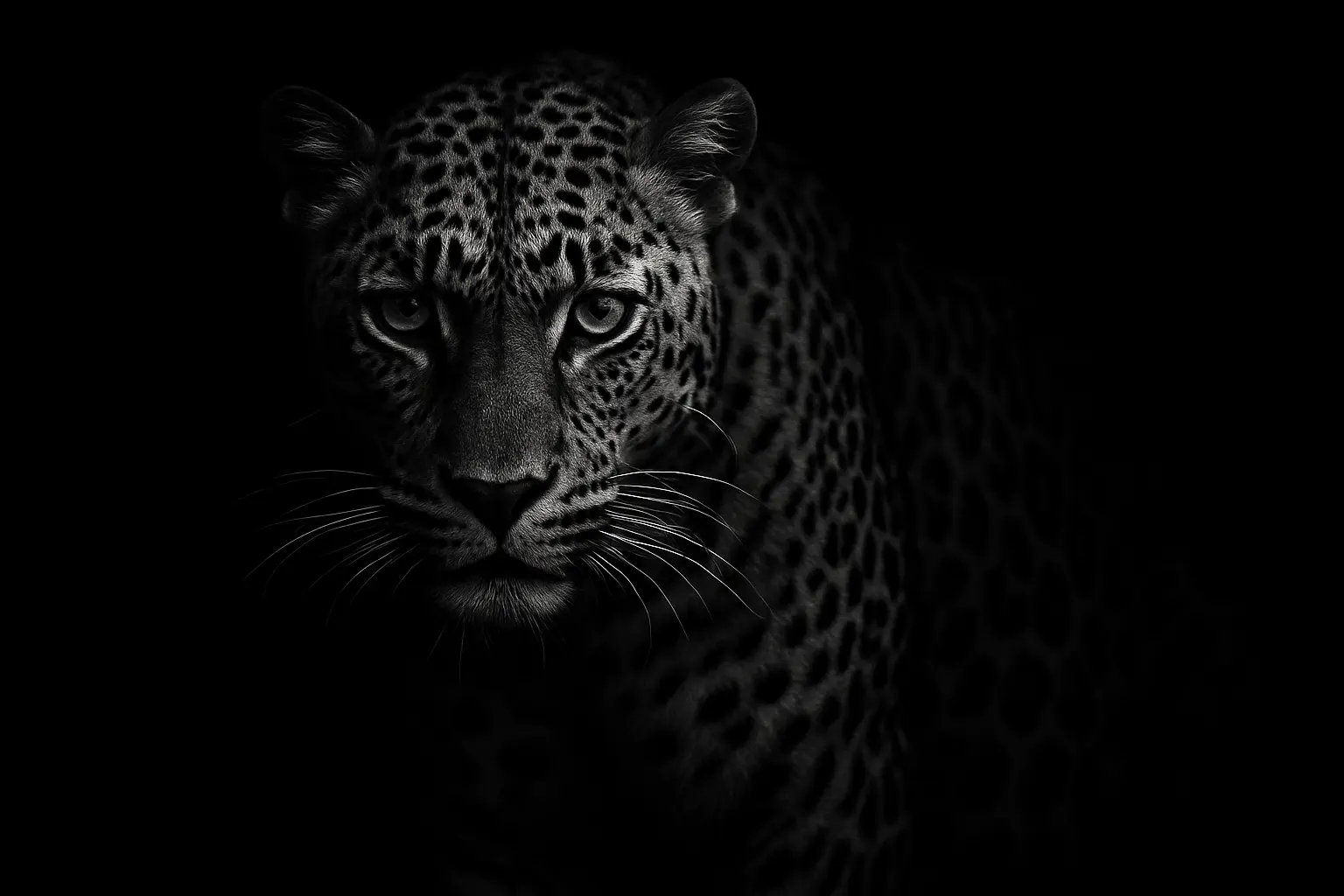
Maybe you have had this fantasy: golden sunrise cresting over granite boulders, the soft crunch of the jeep on a dirt track, and there, no more than twenty meters away, a Sri Lankan leopard stretching in the warm morning light. Yala National Park, with the highest density of leopards anywhere on the planet, is the place where that fantasy is supposed to come true.
But there is a catch. The park’s success is also its problem. In recent years, a desire to spot a leopard has led to overcrowding, speeding jeeps, and what locals call “leopard jams”——dozens of vehicles crowding around a single animal. And yet, the government has started fighting back. Digital ticketing and a strict cap of just 300 vehicles per day have arrived in 2026, with discussions of carrying capacity limits to end the free-for-all.
The result? A good safari has never been easier to book, but a great one requires you to know things the online booking platforms will never tell you. These are the 7 insider secrets to experiencing the best Yala safari of your life in 2026.
Secret #1: Book the "Skip the Line" and Enter at 4:30 AM
The first secret is also the most brutal: the early morning is not just for catching leopards——it is for escaping the convoy. Leopards are most active in the first two hours of daylight, but as the sun rises, the park gates flood with hundreds of jeeps.
The insider move is to book a "skip-the-line" entry that departs your hotel as early as 4:30 AM or 5:00 AM. Instead of waiting at the main gate with the majority of tourists, you accelerate past the bottleneck, arriving at the quietest routes just as the wildlife becomes most active. As one 2026 tour operator explains, this strategy is specifically designed to “avoid crowded jeep entrances, routes, and maximize your chances of spotting leopards while the park is still calm.”
Secret #2: Choose Block 5 Over Block 1 for a Quieter and Potentially Better View
Here is the single biggest decision you will make: which park block to enter. The vast majority of tourists automatically go to Block 1 because it holds the highest density of leopards. However, the trade-off is extreme overcrowding, with many jeeps racing for the same golden sandstone. It is where "leopard jams" are most common.
But the region holds a quieter gem. Block 5 is the insider’s choice. “Block 5 is great for those who like to be alone and in nature,” notes one local safari guide. “There are fewer people in this block compared to Block 1.” However, this does not mean you will miss out on the big cats. Other guides confirm that Block 5 is “known for its open landscapes, fewer jeeps, and high leopard density,” offering far better visibility and the chance to watch wildlife without interruptions. If you prefer peace and unique photography to a crowded race, make sure your driver takes the Katagamuwa entrance to this hidden sector.
Secret #3: The Single Question to Ask Before Paying for Your Tour
Many tourists are blindsided at the park gate when they are suddenly asked to pay a large entrance fee in cash. The advertised price of a safari almost never includes the mandatory government permit.
Secret #4: Look for the Frogmouth
Beyond the leopards and elephants, a unique and bizarre nocturnal ritual separates experienced guides from the rest. In the gathering dusk, some jeep drivers will park their vehicle, tilt their heads back, and produce a call that sounds like a deep, resonant "hoo-hoo" . This is not for the animals on the ground.
This call is for the Sri Lankan Frogmouth——a master of camouflage that looks like a broken branch and is notoriously difficult to spot. The guide’s call often elicits a response from the bird, allowing the driver to pinpoint its location in the dark. Catching a photograph of this strange, wide-mouthed creature is a badge of honor for those who have ventured on an evening safari with a true local guide.
Secret #5: Protect Your Gear from the Red Famine Dust
The dry season (February to July) is the best time for spotting leopards, but the dry, dusty terrain is a secret enemy to your camera. The fine red dust kicked up by your own jeep and others is extremely abrasive. If you change lenses in the open air, you risk grinding dust into your camera’s sensor, potentially ruining it for the rest of your trip.
The insider’s fix: resist the urge to change your lens in the jeep. If you must, do so inside a closed backpack or a heavy-duty plastic bag to create a dust-free pocket. A small scarf or medical mask worn across your face is a practical defense for your lungs, but it also helps keep the dust off your camera’s screen while you review shots.
Secret #6: The 2026 Digital Safety Net
The chaos of previous years——with reports of speeding jeeps and shootings in protected zones——has led to serious policy changes. Wildlife authorities are moving to implement a unified digital ticketing platform for Yala, which would be the first park in Sri Lanka to enforce a capped daily visitor system with specific entry time slots.
As an interim measure, The Department of Wildlife Conservation has already decided to limit the number of vehicles entering Yala National Park to 300 per day to ease congestion and animal stress. While digital ticketing is still rolling out, you can currently secure entry permits online or through official agents. Always insist on a receipt or digital confirmation that a slot has been reserved for you.
Secret #7: The "Vehicle Limit" Hack for Photographers
For wildlife photographers, the secret rule is even more specific. Armed with the knowledge that only 300 vehicles are allowed in per day, you are in a position to negotiate.
Ask your operator for a full-day, 16:9 widescreen-style schedule. Start with the "skip-the-line" early morning entry to catch the golden light. Instead of exiting with the peak mid-day rush, have the driver park by a waterhole for a picnic lunch. Wait through the harsh mid-day shadows as elephants slowly gather. Then, as the afternoon golden hour descends, use the open back-roads to capture large herds against the setting sun. This is how professional photographers turn a drive into a multi-act symphony of light.
Secret Compass: Your 2026 Safari Cheat Sheet
Category Insider Recommendation Why It Works
Entry Time 4:30 AM "Skip-the-Line" Tour Beats the traffic and captures active wildlife.
Park Block Block 5 (via Katagamuwa Gate) High leopard density with far fewer vehicles.
Budget Check Ask if LKR 13,000 entrance fee is included. Avoids a sudden, large cash surprise at the gate.
Photo Mission Pre-dawn GOLDEN hour The finest lighting for leopard portraits.
Evening Ritual Ask your guide to call for the Frogmouth. Witness a unique, hidden species rarely photographed.
Gear Defense Use a sealed bag for lens changes. Protects your sensor from the extremely fine red dust.
Booking Rules Reserve an entry slot for one of the 300 daily spots. Guarantees access during high season.
Conclusion
Yala National Park is not just a place; it is a living, breathing drama of survival. The leopards are still there. The elephants still gather at the waterholes of Block 5. The frogmouth still calls back to the guides who know the secret languages of the jungle.
These seven insights are your key to stepping off the main road and into the heart of the wild. Book the early slot. Ask for Block 5. Ask the magic question about the entrance fee. Bring your mask for the dust. And listen for the call. Your best safari is not a matter of luckt is a matter of knowing the insider secrets that turn a crowded park into your own private wilderness.
Ready to see this in real life?
Book your Yala safari today and experience the magic firsthand.
Explore Packages